
Cost Guide
Bathroom Exhaust Fan Installation Cost
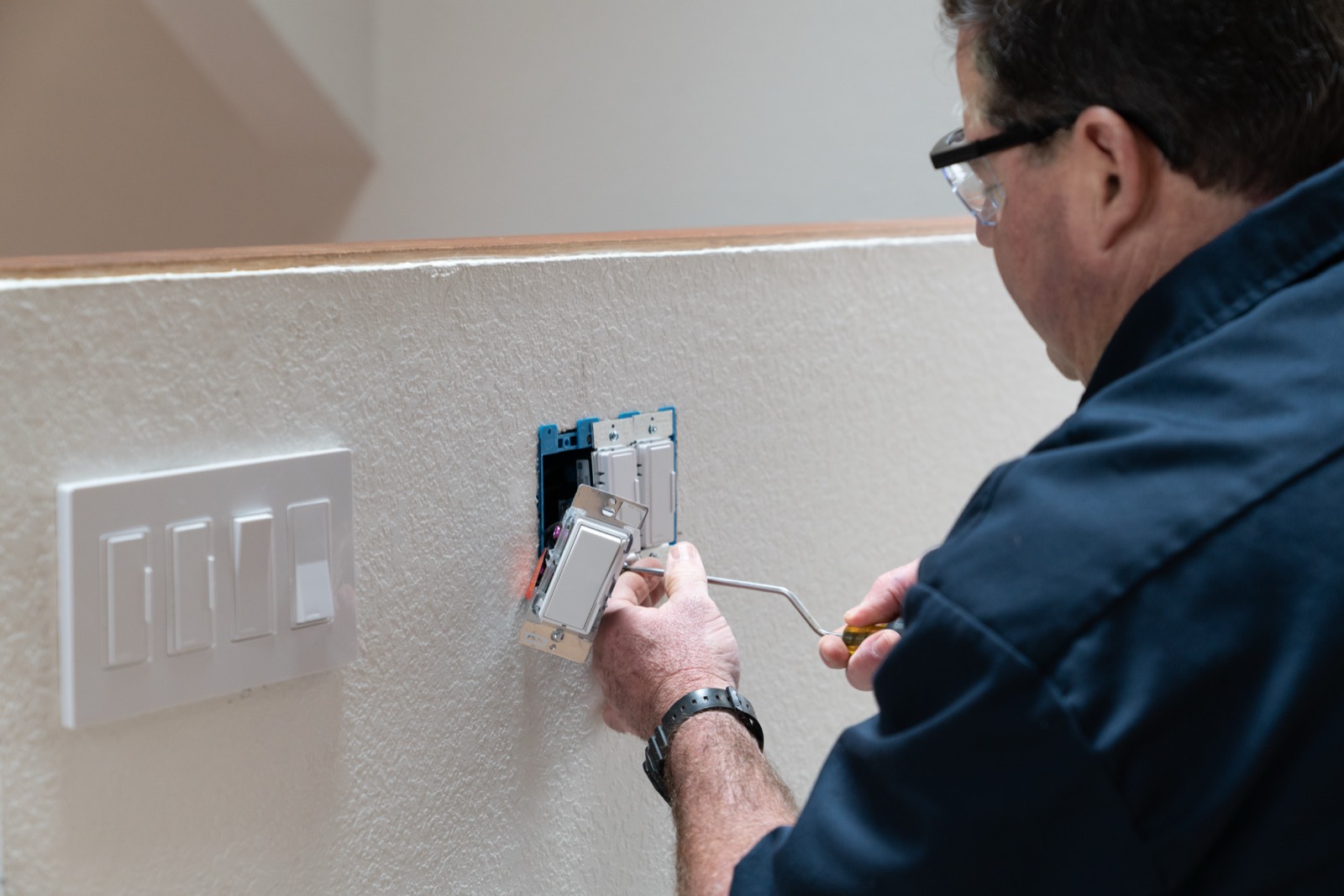
Bathroom exhaust fan installation cost depends less on the fan box itself and more on access, switching, wet-location requirements, and whether new wiring is needed. A straight replacement on an existing, properly wired switch is a different job from adding a fan to a tiled bathroom with no attic access, no neutral in the switch box, and no exterior vent path.
City Power Electrical Services quotes bathroom fan work in writing after a site visit because the electrical scope has to be separated from any ducting, drywall, roofing, or exterior wall work. We handle the electrical side: safe wiring, switching, controls, ESA notification where required, testing, and cleanup. If the job also needs a new exterior termination or duct route, confirm that scope before work starts so the quote is clear.
For related switch, timer, and control work, see our switches and outlets service. If you want a shorter answer first, we also cover the question here: how much does bathroom fan installation cost?
Bathroom fan replacement is cheapest when the wiring, switch, and vent path are already correct
A replacement is usually the cleanest version of the job: remove the old fan grille and motor assembly, disconnect the existing wiring, replace the housing or internal fan module as needed, reconnect to the existing switch leg, and test the fan.
That assumes four things are true:
- The existing fan is already hardwired on a proper electrical box or fan housing junction compartment.
- The switch works and is not damaged, loose, or overloaded with other bathroom loads.
- The fan vents outdoors, not into an attic, ceiling cavity, soffit with poor airflow, or wall void.
- The new fan fits the opening or can be installed without major drywall modification.
Where replacements get more involved is older Toronto and GTA bathrooms where the fan is noisy because the duct is crushed, the grille is painted shut, the fan housing is buried behind finished ceiling material, or the old unit was tied into a light in a way that does not suit the new control.
A modern bathroom fan may also need a neutral at the switch if you are adding a timer, humidity sensor, occupancy sensor, or smart control. Many older switch boxes contain only a simple switch loop. If there is no neutral in the box, the electrician may need to rework the wiring route or choose a compatible control.
For fan replacements, the fan unit, opening size, ceiling finish, and existing wiring condition decide the quote. The price is quoted in writing after a site visit.
New fan wiring costs more because the electrician has to create the circuit path and switch control
Adding a bathroom fan where none exists is a wiring job, not just an appliance swap. The electrician has to determine where power will come from, how the switch will be controlled, whether the existing bathroom circuit has capacity, and how the wiring will reach the fan housing safely.
A new installation may involve:
- Fishing cable from the switch location to the ceiling fan location.
- Opening or working through attic access above the bathroom.
- Installing or modifying the switch box.
- Separating fan and light switching if a combo unit is used.
- Verifying that the fan housing junction compartment is accessible as required.
- Coordinating around vapour barrier, insulation, tile, plaster, or finished ceilings.
- Filing an ESA notification where required for new wiring.
The biggest cost difference is access. A second-floor bathroom below an attic is usually more direct than a main-floor powder room with finished rooms above it. A condo bathroom can be more restrictive because the ceiling space, fan riser, and common building exhaust system may be controlled by the condominium corporation. In a condo, do not assume you can cut a new exterior vent or connect to a common shaft without approval.
If the bathroom fan is being added as part of a larger renovation, it is often easier to run the cable while walls or ceilings are open. If the ceiling is already closed and tiled walls block the route, the work takes longer and may require patching by others.
New bathroom fan wiring is quoted in writing after a site visit because we need to see the panel, existing bathroom circuit, switch box, ceiling access, and fan location.
Controls change the cost: basic switch, timer, humidity sensor, or light/fan combo
Bathroom fan controls are where a simple job often becomes more specific. The right control depends on how the bathroom is used and who uses it.
A basic wall switch is the simplest option. It works well in a powder room or a bathroom where people reliably turn the fan on and off. If the existing switch is damaged or being changed at the same time, published switch pricing can apply: Standard outlet or switch replacement runs $80–$120 each, with volume pricing for whole-home refreshes.
A timer switch is often the better choice for a shower bathroom. It lets the fan run after someone leaves, then shuts off automatically. That matters because moisture continues to sit on mirrors, grout, painted ceilings, and window frames after the shower stops.
A humidity-sensing control turns the fan on when humidity rises and shuts it off when the room dries out. These are useful in family bathrooms, rental units, and basements where occupants may not run the fan long enough. They can require a neutral in the switch box or specific wiring depending on the model.
A light/fan combo unit may use one switch for both functions, two switches for separate control, or a multi-function control. Some units also include night lights or heaters. Heater/fan units are a separate load conversation and need careful review; they are not the same as a standard low-wattage exhaust fan.
Specialty controls fall under the published device range when the wiring is straightforward: Specialty devices — GFCI, USB-C combo outlets, smart dimmers, timers — range $120–$250 installed depending on the device. If new cable, box changes, ceiling work, or ESA notification is needed, the full bathroom fan job is quoted in writing after a site visit.
For more detail on control pricing, see switch installation cost in Ontario. If the same bathroom also needs receptacle correction, see outlet installation cost in Ontario.
GFCI and wet-location rules matter when the fan is near a tub or shower
A bathroom is not a normal dry room. The electrician has to consider damp air, condensation, wet hands, metal fixtures, and the location of the fan relative to a tub or shower.
The first rule is product approval. If a fan or light/fan combo is installed over a tub or shower, it must be approved for that location. Many units are marked for use over a tub or shower only when protected by GFCI, and the installation instructions matter. The Ontario Electrical Safety Code requires electrical equipment to be installed according to its approved use and manufacturer instructions.
The second issue is the circuit and device protection. Bathroom receptacles require GFCI protection. Fan and light equipment may also need GFCI protection depending on location and manufacturer requirements. If a fan is inside the tub or shower zone, we verify the rating and protection before installing it.
The third issue is the control location. Switches should not be placed where someone can operate them from inside the tub or shower. A timer or humidity control still has to be installed in a suitable box and location, with proper cover plates and cable protection.
The fourth issue is condensation. A fan installed in a cold attic space can drip if the duct is uninsulated, poorly sloped, or missing a backdraft damper. That is not just a comfort problem. Moisture can stain ceilings, damage insulation, and corrode electrical parts. The electrical connection must remain in the fan’s approved wiring compartment, with strain relief and covers installed.
Where ESA notification is required, the inspection may look at the wiring method, box fill, grounding/bonding continuity, GFCI protection where applicable, device ratings, and whether the installation matches the approved equipment. City Power is a Licensed Electrical Contractor, ECRA/ESA #7015314, and bathroom exhaust fan installations are ESA-permitted and inspected whenever required.
Bathroom exhaust fan cost drivers and published price bands
There is no single honest bathroom exhaust fan installation cost without seeing the bathroom. The table below shows what changes the number and which related published bands can be used. Where no approved published band exists, the work is quoted in writing after a site visit.
| Scope item | What drives the price | Published band or quote basis |
|---|---|---|
| Replace an existing bathroom fan | Fan size, housing access, ceiling finish, condition of existing wiring, whether the old fan vents outdoors | Quoted in writing after a site visit |
| Add a new fan where none exists | Cable route, attic or ceiling access, switch location, circuit capacity, ESA notification, drywall impact | Quoted in writing after a site visit |
| Replace a basic wall switch | Existing box condition, number of switches, device type | Standard outlet or switch replacement runs $80–$120 each, with volume pricing for whole-home refreshes |
| Add a timer or humidity-sensing control | Neutral availability, box fill, device compatibility, whether new cable is required | Specialty devices — GFCI, USB-C combo outlets, smart dimmers, timers — range $120–$250 installed depending on the device |
| Add or replace a GFCI receptacle near the vanity | Existing wiring, box condition, line/load arrangement, testing | Each GFCI outlet installed typically costs $120–$180 including parts |
| Light/fan combo wiring | Separate switching, extra conductors, fixture rating, wet-location approval | Quoted in writing after a site visit |
| Ducting, roof cap, wall cap, or exterior venting | Route to exterior, roof/wall penetration, insulation, termination type, building approvals | Confirm scope before booking; electrical work is quoted in writing after a site visit |
Be careful comparing a fan-only retail price with a licensed installation quote. The fan on the shelf does not include safe disconnection, cable fishing, switch changes, GFCI review, ESA notification where required, ceiling access problems, or cleanup.
If the fan is part of a larger bathroom renovation, ask for the electrical scope to be shown separately. That makes it clear whether the quote includes only the fan connection or also new lighting, vanity receptacles, heated floor controls, mirror power, and switch changes.
How to get an accurate bathroom fan quote in Toronto and the GTA
The fastest way to get an accurate quote is to provide the details that determine the wiring path and control type. Photos help, but a site visit is often needed because fan wiring is hidden above ceilings and behind switch plates.
Before the visit, note:
- Is there an existing fan, or is this a new fan location?
- Does the fan currently vent outdoors?
- Is the bathroom below an attic, another finished room, or a condo ceiling?
- Do you want a basic switch, timer, humidity sensor, or separate fan and light controls?
- Is the fan over a shower or tub?
- Are there moisture symptoms: peeling paint, mould staining, dripping grille, swollen trim, or fogged mirrors long after showers?
- Is any drywall, tile, or ceiling repair already planned?
During the site visit, we check the switch box, fan location, circuit source, access above the ceiling, and whether the selected fan is suitable for the location. We also confirm whether ESA notification is required and whether any non-electrical work has to be coordinated.
City Power provides free written estimates, full cleanup, and 24/7 emergency service across Toronto and the GTA. For bathroom fan wiring, switch controls, GFCI devices, and related repairs, start with our switches and outlets service. You can also browse more electrical pricing articles on the City Power blog.
Want a licensed electrician to take a look?
Free written quote, usually the same day. ESA permits handled.