Cost Guide
60 Amp to 200 Amp Upgrade Cost
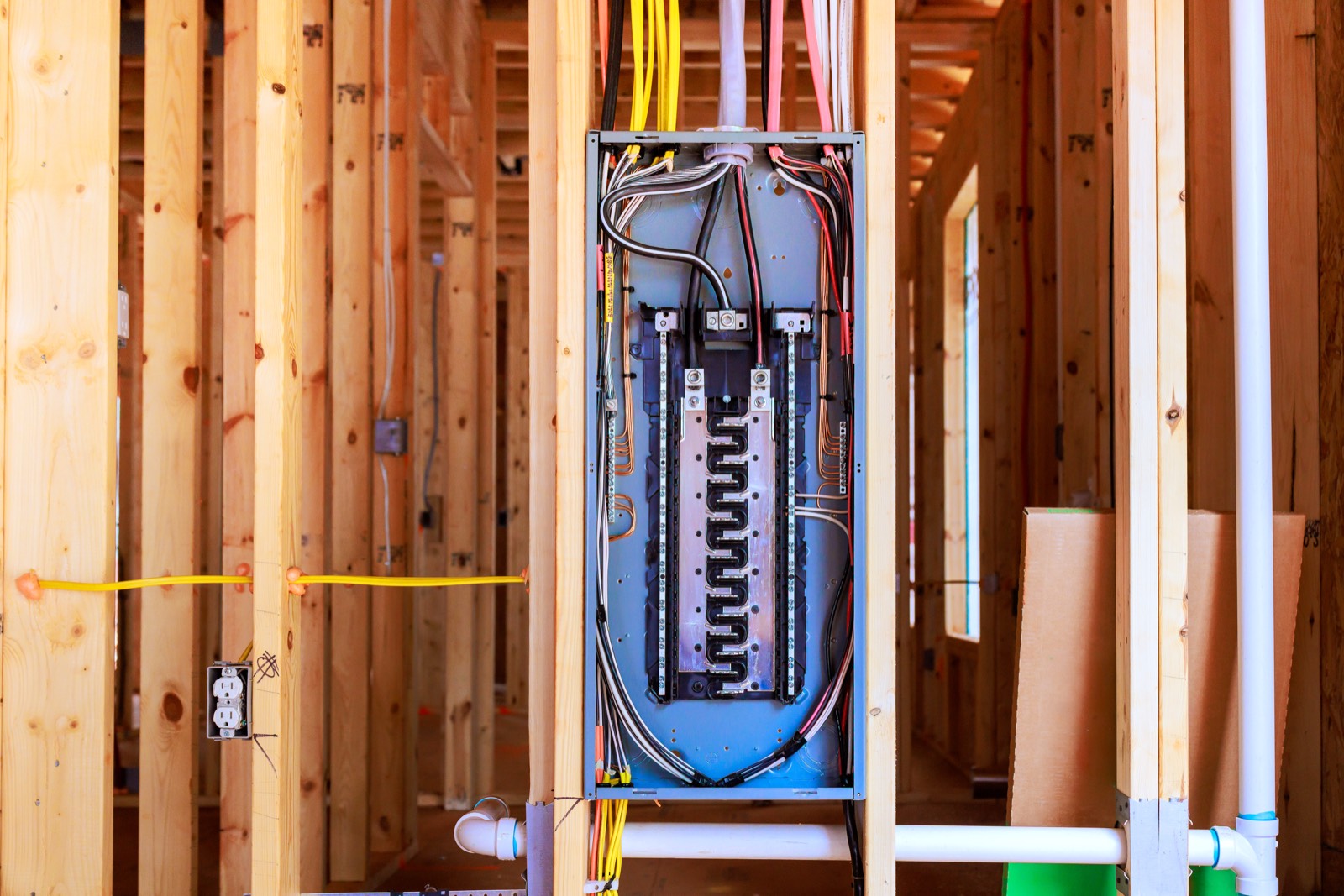
A 60 amp to 200 amp upgrade in the GTA usually costs more than a simple panel swap because the old fuse service, service entrance, meter base, grounding, and utility connection all have to be reviewed together.
For budgeting, use two separate published price bands:
- A 100A-to-200A panel upgrade in the GTA typically costs $3,200–$4,500 including the panel, labour, ESA permit, and inspection
- Upgrading from a 60A fuse panel runs $4,000–$6,000 because the service entrance and meter base usually need replacement too
That second range is the better starting point if your home still has a 60 amp fuse panel. The final quote depends on what Toronto Hydro, Alectra, Hydro One, Elexicon, Oshawa Power, or your local utility needs at the meter and service connection.
We provide free written estimates, file ESA notifications where required, coordinate the inspection, and leave the work area cleaned up.
The honest budget is $4,000–$6,000 for most 60 amp fuse upgrades
A 60 amp fuse service is usually old enough that the panel is only one piece of the work. The service conductors may be undersized, the meter base may not be suitable for 200 amps, the grounding may not meet current requirements, and the service mast or attachment point may need correction before the utility will reconnect.
That is why a 60 amp fuse panel should not be priced like a newer 100 amp breaker panel. A clean 100A-to-200A panel upgrade in the GTA typically costs $3,200–$4,500 including the panel, labour, ESA permit, and inspection. A 60-amp fuse panel upgrade typically costs $4,000–$6,000, since the meter base and service entrance are often replaced at the same time.
If the existing service equipment is unusual, damaged, hard to access, or tied into renovations, the job is quoted in writing after a site visit. We do not recommend relying on a phone-only number for a 60 amp service because the expensive surprises are usually outside the fuse box: the meter base, service mast, grounding path, overhead attachment, or buried service arrangement.
For a broader Ontario panel budget, see our panel upgrade cost guide. If you are comparing whether 200 amps is necessary, our guide to 100 amp vs 200 amp panels explains the capacity side.
The price changes when the meter, service entrance, and utility connection change
The biggest cost difference between a 100 amp breaker-panel upgrade and a 60 amp fuse-service upgrade is the service equipment ahead of the panel. On many older GTA homes, the 60 amp equipment was never designed for today’s loads: EV charging, heat pumps, basement apartments, hot tubs, induction ranges, and larger air conditioning.
| Cost driver | What we check | Typical pricing treatment |
|---|---|---|
| Existing 60 amp fuse panel | Fuse count, panel condition, bonding, available space, signs of overheating | Upgrading from a 60A fuse panel runs $4,000–$6,000 because the service entrance and meter base usually need replacement too |
| 100 amp breaker panel already present | Panel age, service conductors, grounding, panel location, load calculation | A 100A-to-200A panel upgrade in the GTA typically costs $3,200–$4,500 including the panel, labour, ESA permit, and inspection |
| Meter base condition | Whether the existing meter base is rated and acceptable for the new service | Included where it forms part of the quoted 60 amp service upgrade, or quoted in writing after a site visit |
| Service mast, weatherhead, or overhead attachment | Height, condition, clearance, attachment point, conduit condition | Quoted in writing after a site visit |
| Underground service | Utility requirements, trenching, conduit, property access, utility coordination | Quoted in writing after a site visit |
| Grounding and bonding | Grounding electrode connection, water pipe bonding where applicable, bonding continuity | Included in the scope where required by the Ontario Electrical Safety Code |
| Panel location and access | Finished walls, tight basements, asbestos-like materials, low ceilings, obstructions | Quoted in writing after a site visit |
| Added work at the same time | EV charger circuit, surge protection, new dedicated circuits, sub-panel changes | Quoted in writing after a site visit |
A proper quote separates what is known from what has to be confirmed. For example, a visible 60 amp fuse panel tells us the service likely needs more than a breaker swap. But the exact utility requirement can depend on the meter location, overhead or underground feed, utility standards, and what the ESA inspector requires once the service is opened.
A 60 amp upgrade includes more than a new breaker panel
A complete 60 amp to 200 amp upgrade normally includes the electrical work needed to make the new service safe, inspectable, and acceptable to the utility. The scope is not just “remove fuses, install breakers.”
A typical upgrade may include:
- Load calculation for the home and planned equipment
- New 200 amp breaker panel, breakers, and panel directory
- Removal of the old fuse panel where it is being replaced
- New service entrance conductors where required
- Meter base replacement where required
- Service mast, conduit, weatherhead, or service fittings where required
- Grounding and bonding upgrades to current OESC expectations
- Labelling of the main disconnect and branch circuits
- ESA notification and inspection where required
- Utility disconnect and reconnect coordination
- Cleanup after the work is complete
The service size has to match the actual load. A 200 amp upgrade often makes sense when you are planning an EV charger, electric range, basement suite, hot tub, heat pump, workshop, or future renovation. If your main concern is EV charging, read is a 200 amp upgrade worth it for an EV? before assuming the panel must be replaced; in some homes, load management may be an option.
The existing wiring inside the house is a separate question. A new 200 amp panel does not automatically rewire old branch circuits, remove knob-and-tube wiring, or fix amateur splices hidden in walls. During the site visit, we look for signs that the panel upgrade may need to be paired with repair work, but those items are quoted clearly instead of buried in a vague allowance.
The ESA and utility steps are part of the job, not an afterthought
A 60 amp to 200 amp upgrade touches the service equipment, so it must be handled through the proper ESA and utility process. The sequence matters because the utility controls the supply side and the ESA inspection is what allows the service to be approved.
The usual process looks like this:
- We inspect the existing panel, meter base, grounding, service entrance, and utility connection.
- We prepare a written quote with the known scope and any site-specific variables.
- We file the ESA notification where required.
- We coordinate the utility disconnect so the service can be worked on safely.
- Power is disconnected for the service change.
- The old fuse service equipment is removed or made safe as part of the new installation.
- The new panel, service conductors, grounding, meter equipment, and related components are installed.
- ESA inspection is completed.
- The utility reconnects the service once the work is accepted for reconnection.
The ESA inspection is not a cosmetic check. The inspector is looking at service conductor sizing, grounding and bonding, panel rating, breaker installation, neutral and bonding arrangement, enclosure and cable entries, working space, labelling, and whether the installation follows the Ontario Electrical Safety Code.
The utility step is also real. The utility may need to disconnect at the overhead service, remove or reseal the meter, confirm the service attachment, and reconnect after approval. Requirements can differ between Toronto Hydro, Alectra, Hydro One, Elexicon, Oshawa Power, Oakville Hydro, Burlington Hydro, and other GTA utilities, so we confirm the process for the address instead of assuming one rule fits every neighbourhood.
You may need the upgrade for insurance, renovation permits, or EV charging
A 60 amp fuse service can become a problem before the lights actually fail. Insurance companies may ask questions about old fuse equipment. Renovation plans may trigger a load calculation. EV charger installers may find there is no safe capacity left. A basement apartment, electric dryer, hot tub, or larger kitchen can push the conversation from “nice to have” to “required.”
Common signs that a 60 amp service needs attention include:
- Main fuses blowing when multiple large loads run
- A small fuse panel with little or no circuit space
- Screw-in fuses feeding modern appliances through old circuits
- Oversized fuses used to stop nuisance blowing
- Warm fuse holders, scorch marks, buzzing, or brittle insulation near the panel
- No clear main disconnect or poor labelling
- Insurance, sale, or renovation paperwork asking about service size
- Plans for EV charging, heat pump equipment, or a legal basement unit
Do not increase fuse sizes to “get more power.” A fuse protects the wire downstream. Oversizing a fuse can let the wire overheat before the fuse opens. If fuses are blowing, the answer is to find the load or wiring issue, not to install a larger fuse.
If you are still deciding between staying at 100 amps and going to 200 amps, our answer on whether to upgrade from 100 amp to 200 amp service may help. If you already know the home is 60 amps, see the short answer to how much it costs to upgrade from 60 amp service.
The accurate quote comes from seeing the service, not guessing over the phone
For a 60 amp to 200 amp upgrade, the site visit is where the number becomes reliable. We need to see the panel, meter, grounding, service route, utility connection, wall finishes, and any planned loads.
Before the visit, gather what you can:
- A photo of the fuse panel with the cover closed
- A photo of the meter base outside
- A photo of the overhead mast or underground service area
- Your renovation plans, if any
- The nameplate or installation manual for an EV charger, hot tub, heat pump, or large appliance
- Any insurance letter asking about the electrical service
- Whether the basement ceiling near the panel is open or finished
During the visit, we check the service size, panel condition, grounding, utility access, and the route for any related new circuits. Then we provide a free written estimate. If ESA notification and inspection are required, they are handled as part of the proper process.
City Power serves Toronto and the GTA, including North York, Scarborough, Etobicoke, Mississauga, Brampton, Markham, Vaughan, Richmond Hill, Aurora, Newmarket, Oakville, Milton, Burlington, Hamilton, Pickering, Ajax, Whitby, Oshawa, and Barrie.
To price your upgrade properly, book through our panel upgrade service page or call 416-837-4038. For 60 amp fuse services, expect the written quote to confirm whether your project fits the published $4,000–$6,000 range or needs site-specific pricing because of the meter, mast, utility connection, or access conditions.
Want a licensed electrician to take a look?
Free written quote, usually the same day. ESA permits handled.