Answered by a licensed electrician
Why is my EV charger hot?
Quick answer
A slightly warm EV charging cable can be normal, but a hot plug, wall connector, receptacle, breaker, scorch mark, melting, or burnt smell is not. Stop charging until it is inspected. EV charging is a continuous load; for example, 40A charging is normally supplied by a 50A circuit, with matched wire, breaker, and terminations.
Mild warmth can be normal, but hot-to-touch parts are a stop-charging warning
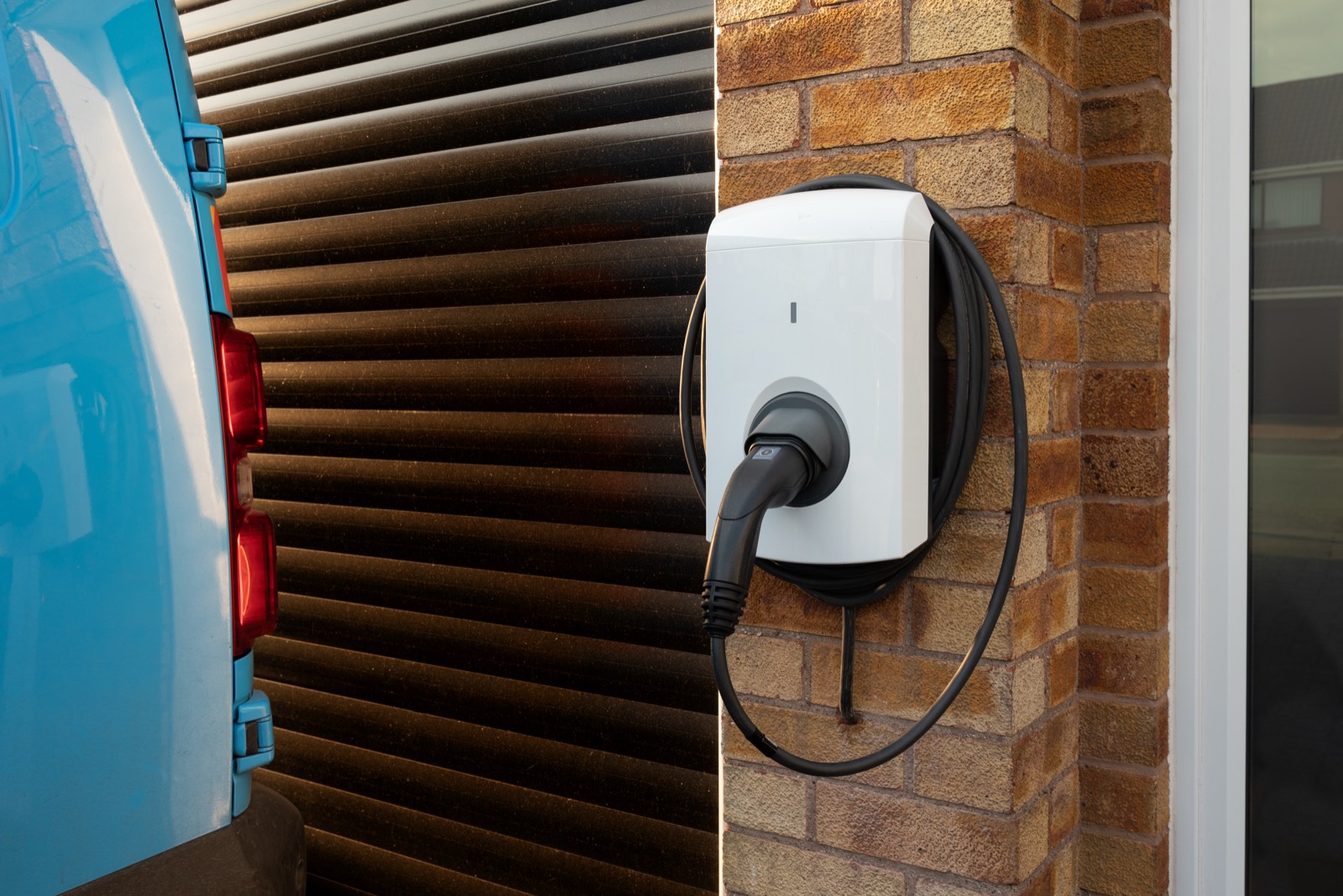
A charger handle, cord, or wall unit may feel mildly warm during a long Level 2 session because it is carrying high current for hours. It should not feel painfully hot, smell burnt, soften plastic, discolour the faceplate, or leave marks around the plug blades.
The first distinction is where the heat is:
| What feels warm or hot | What it usually means |
|---|---|
| Cable is evenly slightly warm | Often normal under sustained load, especially in a warm garage |
| Vehicle connector is hot at the pins | Possible dirty, worn, or damaged J1772/NACS contact area |
| NEMA 14-50 plug or receptacle is hot | Possible loose receptacle grip, poor termination, or non-EV-rated device |
| Wall connector body is hot near wiring entry | Possible loose internal lug, undersized conductor, or failed component |
| Breaker or panel area is hot | Possible overloaded circuit, loose breaker connection, or panel issue |
| Any scorch mark, melting, smoke, or odour | Stop immediately and have it inspected before reuse |
EV charging is different from a toaster or kettle. A Level 2 charger can pull a steady load for hours at a time. A connection that is only slightly loose may not fail instantly; it heats gradually, oxidizes, gets looser, and then heats faster. That cycle is why a plug that was “fine last month” can suddenly smell hot or show browning around one blade.
If the heat is at the charger and the vehicle also reports slow charging or stops unexpectedly, the issue may overlap with communication or protection faults. See why an EV charger is not charging if the charger is shutting down, but treat heat as the higher-priority safety issue.
The common causes are loose terminals, weak receptacles, undersized wiring, and continuous high load
The most common cause of a hot EV charger is resistance at a connection. Resistance turns electrical current into heat, and EV chargers run long enough for that heat to build up.
We often look for these EV-specific failure points:
- Loose terminal screws or lugs. The breaker, receptacle, disconnect, junction box, or wall connector may have a conductor that was not torqued correctly or has loosened through heat cycling.
- A worn NEMA 14-50 receptacle. Some plug-in EV chargers draw for hours, every day. A light-duty range-style receptacle may lose spring tension at the contacts, especially if the plug is inserted and removed often.
- Undersized wire for the configured charging current. The breaker size, conductor size, insulation rating, conduit fill, temperature rating, and charger output setting must match. You cannot solve heat by simply installing a larger breaker.
- Incorrect charger setting. Many wall connectors can be configured for different breaker sizes. If a charger is set to deliver more current than the branch circuit can safely carry, heat and nuisance tripping can follow.
- Backstabbed, spliced, or extended wiring not suitable for the load. EV circuits should be treated as dedicated high-load equipment, not an ordinary convenience receptacle circuit.
- Aluminum-to-copper transition problems. Where older or service conductors are involved, terminations must be rated and prepared correctly. Wrong connectors or anti-oxidation practices can create heat.
- Moisture or corrosion. Outdoor chargers and garage receptacles near doors can develop corrosion at blades, lugs, or enclosures if not properly rated and sealed.
- Panel capacity or breaker issues. A breaker that feels hot, buzzes, or has heat marks needs panel-level diagnosis, not just charger replacement. For panel-side symptoms, read why a breaker feels hot and why an electrical panel is hot.
There is also a normal design issue: EV charging is a continuous load. A charger set for 40A is typically on a 50A circuit because continuous loads are not treated the same as short bursts. If someone installs a 50A receptacle but leaves the charger set too high for the actual wire or breaker, the system may work for a while and then show heat at the weakest point.
Stop charging until inspected if there is heat, odour, melting, or discolouration
The safe move is to stop using the charger until a licensed electrical contractor checks it. Do not “try one more charge” after a burnt smell, melted plug, browned receptacle, hot breaker, or charger error tied to temperature.
If you notice heat while charging:
- Stop the charging session from the car or charger app if possible.
- If the plug is only warm, unplug normally after charging stops.
- If the plug is hot, melted, sparking, or stuck, do not force it; shut off the breaker if you can do so safely.
- Do not reset a tripped breaker repeatedly.
- Do not reduce the car’s amperage and keep using a scorched or loose receptacle as a “temporary fix.”
- Do not use an extension cord, adapter stack, dryer outlet adapter, or travel charger workaround for daily charging.
- Keep the area clear and call for service if there is smoke, active arcing, or a burning smell.
A lower charging setting can reduce heat, but it does not repair a loose lug, damaged receptacle, oxidized conductor, or overheated breaker. Once plastic has browned or softened, the device may have lost contact pressure and should be evaluated for replacement.
This is especially important in condos and shared garages. A hot EV receptacle is not just a private inconvenience; it can involve building distribution, garage ventilation areas, fire alarm interfaces, and condo approval requirements. If your charger is in a parking space fed from a common electrical room, do not open equipment yourself. Building management may need to coordinate access.
For urgent EV charger heat in Toronto and the GTA, City Power Electrical Services is a Licensed Electrical Contractor, ECRA/ESA #7015314, and offers 24/7 emergency service with free written estimates.
A proper inspection checks the whole charging path, not only the charger
A safe repair starts at the vehicle connector and ends at the panel. Replacing the visible hot part without checking the upstream wiring can leave the real fault in place.
For an overheated EV charger, we typically verify:
- The charger nameplate, maximum output, and internal amperage setting.
- The breaker size and whether it matches the charger configuration.
- The conductor size, insulation type, routing, and any junction boxes between the panel and charger.
- Torque at breaker lugs, wall connector terminals, receptacle screws, disconnects, and splices.
- Heat damage at plug blades, receptacle contacts, faceplates, insulation, and enclosure entries.
- Whether a plug-in installation should be converted to a hardwired charger.
- Whether GFCI protection is required by the device, breaker, or installation method.
- Outdoor rating, weatherproofing, strain relief, conduit, and cable support.
- Load calculation and available panel capacity, especially with electric ranges, heat pumps, hot tubs, or basement suites.
A thermal camera can help find hot spots while equipment is energized, but it is not a substitute for opening the equipment safely and checking the terminations after power is off. Heat is a symptom; the cause is usually mechanical, electrical, or both.
ESA notification may be required when a circuit is replaced, altered, or newly installed. For EV work, the inspection is focused on safe installation under the Ontario Electrical Safety Code: correct conductor and breaker sizing, approved equipment, grounding and bonding, box fill and support, wet-location suitability where relevant, and that the installation matches the permitted scope.
If your charger has been tripping as well as heating, the diagnostic path may include different causes such as ground faults, GFCI interaction, or charger electronics. See why an EV charger trips the breaker for that related issue, but do not ignore heat just because the breaker has not tripped.
Repair may be simple, but unsafe installations should be corrected rather than patched
The fix depends on what overheated. Sometimes the repair is a failed receptacle and damaged conductor ends; other times the circuit was never sized or configured correctly for EV use.
Common repair outcomes include:
- Replacing a heat-damaged receptacle with a suitable device and correcting the terminations.
- Re-terminating conductors to manufacturer torque specifications.
- Replacing a damaged breaker or correcting a breaker seated poorly in the panel.
- Converting from a plug-in receptacle to a hardwired charger where appropriate.
- Pulling a new dedicated circuit if the existing cable is undersized or damaged.
- Reducing the charger output only when the circuit is otherwise safe and correctly labelled.
- Upgrading panel capacity or adding load management if the home cannot support the desired charging amperage.
If the inspection shows the installation needs to be redone, typical GTA Level 2 EV charger work often lands between $1,500 and $3,000 all-in, depending on panel distance, wall finishes, and capacity. A straightforward installation near a panel with available capacity can be less, while long finished runs or load-management equipment push it higher. See our EV charger installation service for the main installation path, or Tesla charger installation cost for cost questions.
Do not reuse a burnt plug or receptacle because it “still works.” EV charging is one of the highest sustained electrical loads in a home. The correct repair is the one that removes the heat source, confirms the circuit is suitable for the charger setting, and leaves you with ESA-inspected work where required.
Want a licensed electrician to take a look?
Free written quote, usually the same day. ESA permits handled.
People also ask
Is it normal for my EV charger cable to get warm?
Slight, even warmth on the cable during Level 2 charging can be normal because the circuit carries steady current for hours. It is not normal for the plug, receptacle, wall connector, breaker, or vehicle connector to be hot, browned, melted, or smelly. Those signs mean stop charging until the circuit is inspected.
Can I keep charging at a lower amperage if the plug got hot?
Do not rely on lowering the amperage after a plug has been hot enough to smell, melt, or discolour. Reduced current may hide the symptom, but it does not repair loose terminals, weakened receptacle contacts, damaged insulation, or a mismatched circuit. Have the charger, receptacle, breaker, and wiring checked first.
Why is my NEMA 14-50 outlet hot when charging my EV?
A hot NEMA 14-50 outlet often points to poor contact pressure, loose terminal screws, heat-damaged plug blades, or a receptacle not suited to daily EV charging. EV loads run for long periods, so small resistance at the blades or terminals becomes heat. The outlet and conductor ends may need replacement after inspection.
Should I hardwire my EV charger if the plug keeps getting hot?
Hardwiring can remove the plug-and-receptacle connection, which is a common heat point, but it must still be on a correctly sized dedicated circuit with proper breaker, conductor, terminations, and ESA notification where required. If a plug-in charger has overheated, inspect the existing wiring before deciding whether to hardwire.