Answered by a licensed electrician
How much does it cost to run power to a shed?
Quick answer
Running power to a shed is usually quoted in writing after a site visit because trench length, soil, concrete, and conduit route drive the cost. As a baseline, a typical 20A dedicated circuit is $250–$500 before site-specific trenching and exterior work; heavier 30A–50A circuits run $400–$900 for the circuit itself.
A shed power installation is not just “adding an outlet outside.” It is an exterior electrical addition with underground or weather-exposed wiring, GFCI protection, mechanical protection, and an ESA notification where required. The right price depends on the shed’s load, the route from the house, and who is responsible for trenching and restoration.
City Power Electrical Services provides free written estimates from our North York office, and where an ESA notification is required, we include the permit and inspection process in the scope instead of treating it as an afterthought.
Most shed power jobs are priced after a site visit because the trench is the variable
The electrical circuit has a known starting point, but the trench and route decide the real cost. A simple 20A dedicated circuit for a shed starts from the same logic as any new branch circuit: panel space, breaker type, cable route, distance, and wall access. On City Power’s published pricing, a typical 20A dedicated circuit is $250–$500, while heavier 30A–50A circuits are $400–$900 for the circuit run itself.
A detached shed adds work that an indoor circuit does not have:
- trenching across lawn, garden, interlock, asphalt, or concrete
- underground-rated cable or conduit suitable for the installation method
- weatherproof boxes, covers, fittings, and exterior penetration sealing
- GFCI protection for outdoor receptacles and shed receptacles where required
- a disconnecting means or small subpanel if the shed has more than one circuit
- ESA notification and inspection for the new exterior wiring
- backfill, warning tape, and restoration expectations
That is why we do not give one flat “run power to shed” number without seeing the property. A 6-metre trench through soft lawn is a different job from a 25-metre route under interlock with a concrete walkway in the middle.
The written estimate should say what is included. Ask specifically whether trenching, backfill, conduit, weatherproof fittings, panel work, ESA notification, and cleanup are part of the quote. If hard landscaping has to be cut, lifted, or restored, that may be separate from the electrical work.
A single 20A circuit is enough for lights and tools; a subpanel is for real shed loads
The cheapest correct design is usually one properly protected 120V circuit, but only if the shed use is modest. For a storage shed, garden shed, or small workshop, one 20A circuit can often handle LED lighting, a receptacle, battery chargers, and occasional hand tools.
A subpanel becomes worth discussing when the shed is no longer just a shed. If you want heat, air conditioning, woodworking equipment, a freezer, exterior lighting, or several receptacle zones, one circuit may be frustrating or overloaded. A subpanel lets the electrician run a feeder to the shed and split the power into separate circuits inside.
| Shed use | Common approach | Cost effect |
|---|---|---|
| Light, one receptacle, chargers | One 15A or 20A circuit | Lowest electrical scope |
| Small workbench with tools | Usually one 20A circuit, sometimes two circuits | More panel and wiring work |
| Heated office or studio | Subpanel or dedicated heating circuit likely | Load calculation matters |
| Freezer, compressor, saws, exterior lights | Subpanel often cleaner | Higher material and labour |
| Future EV, hot tub, or large equipment nearby | Plan conduit route and capacity now | May affect panel capacity |
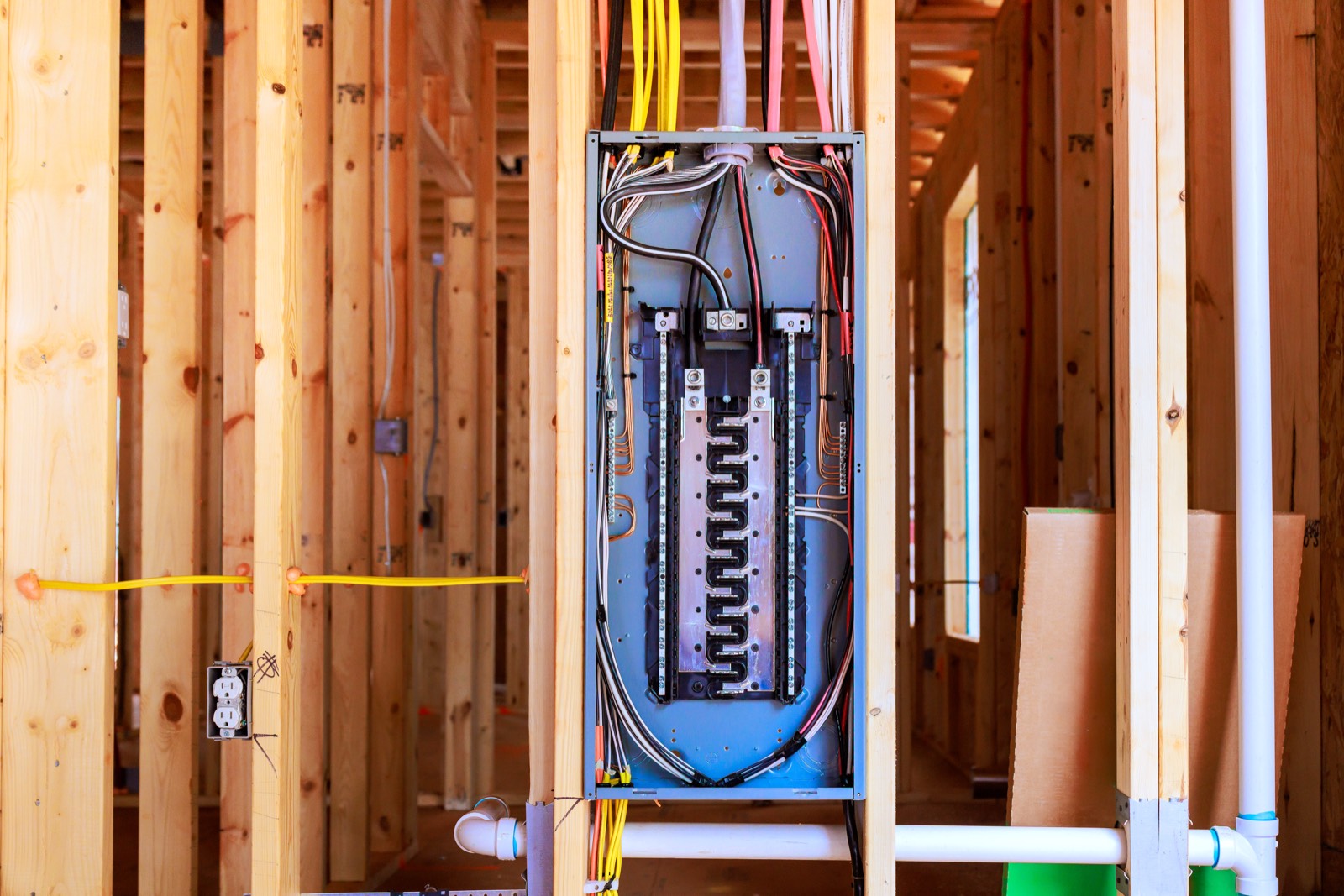
A shed subpanel also changes the inspection details. The feeder size, breaker, grounding and bonding arrangement, disconnecting means, and panel location all have to match the Ontario Electrical Safety Code. This is not a good place for a handyman splice in the garden or an extension cord through a wall.
If the shed is being powered because you need a specific appliance, tell the electrician the nameplate rating before the quote. “A heater” could mean a small 120V unit or a hardwired 240V load. “A saw” could mean a portable tool or equipment that needs a dedicated circuit. Guessing at this stage is how sheds end up with nuisance trips or expensive rework.
Underground wiring needs the right cable, conduit, depth, and protection
The safest shed installation is designed around the route before anyone digs. Outdoor and underground wiring is exposed to water, frost movement, shovels, roots, rodents, and future landscaping. The wiring method has to suit the location, and the required burial depth can change depending on whether the run is direct-buried, in conduit, under lawn, or under an area that may see vehicle traffic.
Common design points include:
- using underground-rated wiring or individual conductors in approved conduit
- protecting the cable where it rises from the ground at the house and shed
- sealing exterior penetrations so water and insects do not enter the wall
- installing weatherproof boxes and in-use covers where receptacles are outside
- providing GFCI protection for outdoor receptacles and other required locations
- keeping the route clear of gas, water, irrigation, and drainage lines
- using warning tape above buried electrical work before backfill
Before trenching, locate private services as well as public utilities. The homeowner usually knows about sprinkler lines, landscape lighting, drainage pipe, dog fence wire, and low-voltage cables better than anyone else. Public locates are important, but they do not always identify every private line installed after the house was built.
Landscaping is the part homeowners often underestimate. Interlock may need to be lifted and relaid. Tree roots may force a different route. Concrete may require cutting or directional planning. A narrow side yard can make machine trenching impossible, leaving hand digging as the only realistic option. These conditions can materially change the quote even when the electrical load is simple.
If you are comparing a shed with a garage project, the same principles apply, but garages often have larger loads and vehicle-related use. See our separate guide on the cost to run power to a garage if the structure is used for parking, compressors, EV charging, or heavier equipment.
ESA notification is normally part of doing detached shed power properly
Running a new underground or exterior circuit to a detached shed is the kind of work that should be filed and inspected when required. In Ontario, the ESA notification is the electrical permit process. It gives the inspector a record of the work and a chance to check that the buried/exterior wiring, panel connections, protection, and devices are installed correctly.
For typical residential work, ESA notification fees are often in the $100–$200 range and are normally built into the written quote. Larger or unusual projects can differ, so the estimate should identify the permit/inspection line clearly rather than leaving you to guess.
The inspection focus is practical. The ESA inspector may look for:
- correct breaker size and wire size for the circuit or feeder
- approved underground wiring method and mechanical protection
- proper GFCI protection where required
- correct weatherproof boxes, covers, and fittings
- safe panel terminations and available panel capacity
- grounding and bonding details for a detached structure
- accessible disconnecting means or subpanel arrangement where applicable
Timing matters. Underground work may need to be visible before backfill, depending on the installation and inspection requirements. Do not let anyone bury the trench and promise to “sort out the permit later.” That can lead to reopening the trench or having no acceptable inspection record when you sell the house or make an insurance claim.
This is also why a site visit is useful. The electrician can decide whether the trench should stay open for inspection, whether photos are needed, and how to stage the work so you are not left with an open trench across the yard longer than necessary.
The best quote separates electrical scope from landscaping risk
A proper shed power quote should make the assumptions visible. The number alone is less important than knowing what the number includes.
For a simple shed, the quote should answer these questions:
- Is this one 20A circuit, multiple circuits, or a feeder to a subpanel?
- Is trenching included, and if so, through what surface?
- Who restores sod, interlock, asphalt, concrete, or garden beds?
- Is conduit included for the full underground route or only at risers?
- Are GFCI devices, weatherproof covers, lights, and switches included?
- Is the ESA notification included?
- Is the panel able to accept the new breaker without other upgrades?
- Will the shed wiring be surface-mounted, concealed, or roughed in before interior walls?
Be cautious with quotes that only say “power to shed” and a price. That can hide exclusions for trenching, coring, restoration, ESA inspection, or panel changes. It can also mean the installer is planning a shortcut, such as a cord-fed shed or unprotected cable in shallow soil.
If you only need one exterior receptacle on the house, that is a different scope from powering a detached structure; our guide to adding an outlet is the better comparison. If the shed needs a breaker added or changed, panel condition also matters; see breaker replacement cost for the panel-side factors.
For most homeowners, the next step is simple: decide what the shed must power now, what you may add later, and where the cleanest trench route runs. Then get a written quote that spells out the circuit size, trench assumptions, ESA notification, and restoration responsibilities.
Want a licensed electrician to take a look?
Free written quote, usually the same day. ESA permits handled.
People also ask
Can I run an extension cord to my shed instead of installing power?
An extension cord is for temporary use, not permanent shed power. It is vulnerable to damage, water, overheating, and improper routing through doors or walls. If the shed needs regular lighting, receptacles, tools, a freezer, or heat, install a proper underground or exterior-rated circuit with GFCI protection and ESA inspection where required.
Does a shed need its own subpanel?
Not always. A small storage shed with LED lighting and one receptacle may only need a single 15A or 20A circuit. A subpanel makes sense when the shed has multiple loads, heat, power tools, a freezer, or future expansion. The decision depends on load calculation, trench distance, and available capacity in the house panel.
Is trenching included when City Power quotes shed power?
The written estimate states whether trenching and backfill are included. Soft lawn trenching may be included in one scope, while concrete cutting, asphalt, interlock lifting, tree roots, irrigation repair, and landscaping restoration may need separate pricing or a specialist. We confirm those assumptions before work starts.
Do I need ESA inspection for power to a detached shed?
For a new exterior or underground electrical addition, expect an ESA notification to be required. The inspector checks the wiring method, burial/exterior protection, breaker and wire sizing, GFCI protection, panel terminations, and grounding or bonding details. The trench may need to remain visible until the inspection stage is satisfied.