Office Buildout
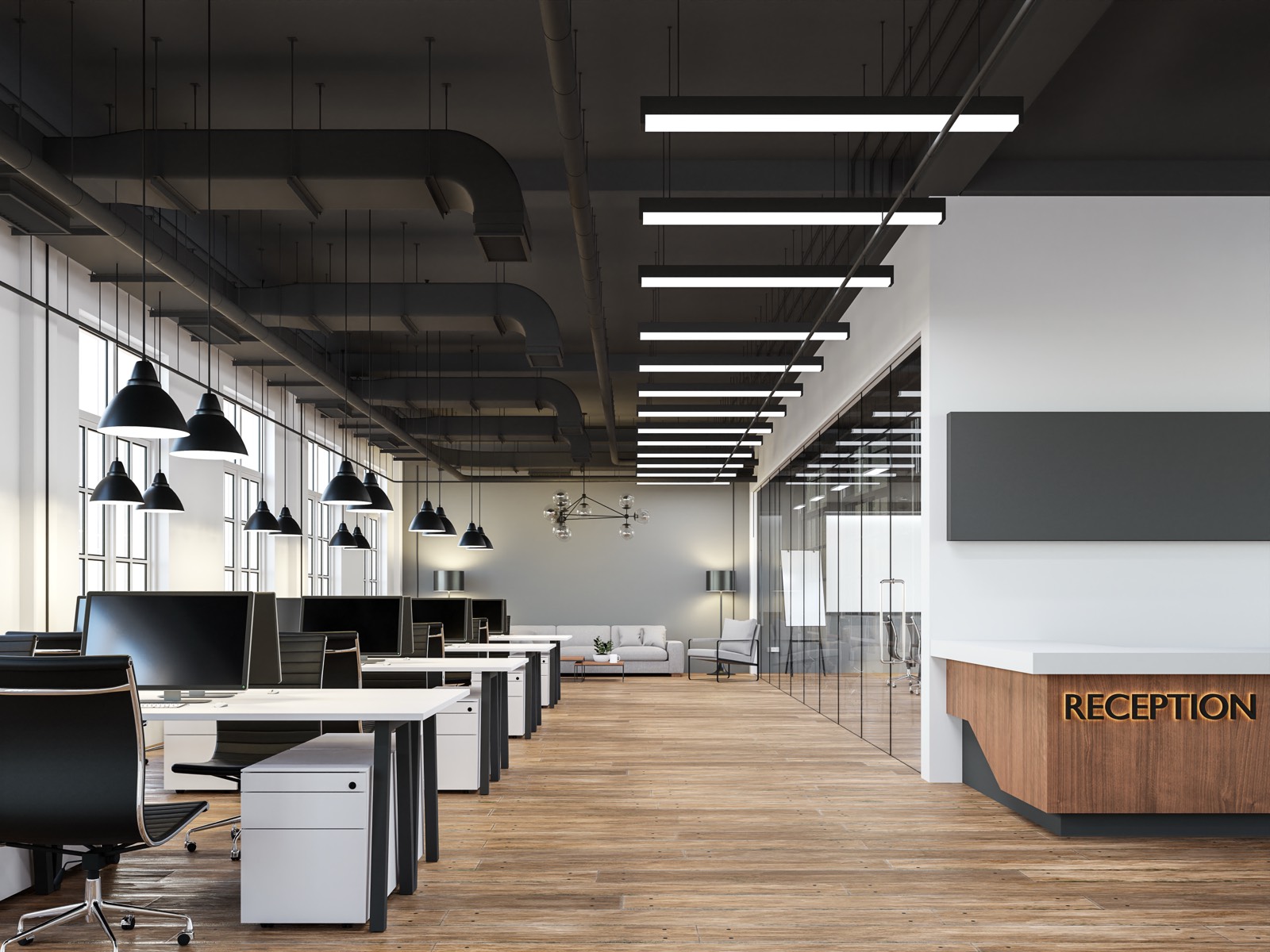
From startup spaces to corporate offices, we provide complete electrical services for new office buildouts and tenant improvements.
About office buildoutCommercial electrical troubleshooting finds the cause of power loss, tripping breakers, failed lighting and nuisance outages in offices, retail stores, restaurants and warehouses. We trace the fault, explain the risk, and plan repairs around business hours where possible.
Commercial electrical troubleshooting is different from a house service call. A fault may affect staff, tenants, customers, refrigeration, point-of-sale systems, rooftop HVAC, security equipment, signs, warehouse lighting or a production area. The goal is to find the cause without creating more downtime than the original problem.
We investigate tripping breakers, failed lighting, equipment power loss and nuisance outages in retail, office, restaurant and warehouse spaces across Toronto and the GTA. Depending on the symptom, that can include panel testing, circuit tracing, load checks, thermal scanning, device inspection, lighting control diagnosis, contactor checks, GFCI testing and verification of grounding and bonding.
Common commercial fault patterns include:
We do not treat the visible symptom as the whole problem. If a breaker is tripping, replacing it without testing the load can leave a short, overload, heat-damaged termination or damaged cable in service. If lights flicker, the issue may be a failing driver, a loose neutral, a utility-side problem, or a load that should not share that circuit. The visit is built around proving which one it is.
For ongoing facilities, the repair often leads into a maintenance plan. If your issue is recurring rather than one-time, we may recommend commercial electrical maintenance so panels, emergency lighting, lighting controls and high-use circuits are checked before the next failure.
Call for commercial electrical troubleshooting when the electrical problem is affecting business operations or could become unsafe. A single dead outlet behind a desk is different from a dead receptacle bank feeding workstations, payment terminals or network equipment. A failed light in a storage room is different from a dark exit path, sales floor, loading dock or parking-facing sign circuit.
Office problems often involve cubicle feeds, shared circuits, breaker trips after equipment changes, nuisance GFCI operation in kitchens, or failed lighting zones controlled by sensors. Retail spaces often involve display lighting, sign circuits, POS stations, back-room receptacles and timed exterior lighting. Restaurants add heavier loads: refrigeration, exhaust controls, warmers, dishwashing equipment, small appliance circuits and kitchen receptacles exposed to heat, grease and cleaning water. Warehouses often involve high ceilings, high-bay lighting, motion sensors, dock equipment, battery chargers, heaters and longer wire runs where voltage drop and connection quality matter.
You should also call when a problem keeps returning after a reset. Breakers and fuses are protective devices, not switches for daily operation. Repeatedly resetting a breaker can worsen heat damage at a termination or mask an intermittent short. If staff are taping a light switch on, avoiding one receptacle, unplugging equipment to keep a breaker on, or smelling heat near a panel, the circuit should be tested before it is used again.
We also handle the business side of access. Troubleshooting can often be scheduled after hours to reduce disruption to tenants, customers and staff. For urgent issues, City Power Electrical Services offers 24/7 emergency service. For non-urgent work, we can review the symptom, site access, shutdown window and who needs to be notified before we arrive.
If the problem is more general or residential in nature, our electrical repair and troubleshooting page is the better starting point. This page is for business spaces where a fault affects operations, tenants, lease obligations, food service, inventory, lighting, security or equipment uptime.
Basic testing and diagnosis may not always require an ESA notification, but electrical repair work, new wiring, altered circuits, panel work and many equipment connections can. City Power is a Licensed Electrical Contractor, ECRA/ESA #7015314, and every job is permitted with the ESA where required and inspected.
That distinction matters in commercial spaces. If we find a loose termination and correct it within an existing approved installation, the paperwork may be different from adding a new dedicated circuit for equipment, replacing damaged branch wiring, changing a panel component, or correcting unapproved tenant improvements. Where ESA involvement is required, we explain the notification, inspection step and any access needed for the inspector.
The Ontario Electrical Safety Code is concerned with more than whether power has returned. We look at conductor size, breaker rating, equipment nameplate load, GFCI requirements where applicable, bonding, box fill, support, overcurrent protection, disconnecting means, working clearance at panels, damaged devices, heat evidence and whether the installation has been altered without approval. In restaurants and other wet or harsh areas, device condition and enclosure rating matter. In warehouses, height, impact risk and disconnect access can matter. In offices, shared neutrals and circuit identification can become the real issue.
If the visit uncovers an ESA defect, unsafe installation or previous unpermitted work, the next step may be electrical code corrections and ESA defect repairs. If your business specifically needs documentation after permitted work, see our ESA Electrical Safety Certificate service. For recurring compliance planning, our guide to how often commercial buildings need electrical inspections in Ontario explains when periodic review makes sense.
We also document what we found in plain language. That helps property managers, tenants, landlords, facility staff and insurance contacts understand whether the issue was equipment-related, building-wiring-related, utility-related or caused by a recent renovation.
A troubleshooting visit starts with the symptom and the business impact. We ask what failed, when it happens, what changed recently, whether any breaker or GFCI has been reset, whether the outage affects one device or a whole area, and whether any equipment must stay running. For restaurants, that may mean refrigeration or exhaust. For offices, it may mean network or workstation circuits. For retail, it may mean POS and lighting. For warehouses, it may mean lighting, dock equipment or charging areas.
On site, we identify the affected panel and circuit, test voltage, inspect the breaker or fuse position, check visible devices and junctions, and isolate the load where possible. If a shutdown is needed, we coordinate it before opening equipment that affects other tenants or critical operations. If the fault is intermittent, we may ask staff to reproduce the condition safely, such as starting a piece of equipment, switching a lighting zone, or energizing a timer-controlled circuit.
When the cause is straightforward and parts are available, we may be able to complete the repair during the same visit. If the fix requires a new circuit, replacement equipment, ESA notification, ceiling access, lift access, utility coordination or an after-hours shutdown, we provide a written estimate before proceeding. City Power provides free written estimates, and repairs beyond basic service work are quoted in writing after a site visit.
Published GTA labour guidance for licensed electricians is $95–$150 per hour in 2026, with most service calls carrying a minimum charge of $150–$250. Troubleshooting varies because a dead lighting zone, a nuisance breaker trip, and a failed piece of kitchen equipment can have very different causes. If the repair becomes a defined project, we quote the scope in writing rather than guessing.
After the work, we clean up the work area and explain what was done, what should be monitored, and whether any follow-up is recommended. If the issue points to a broader pattern — overloaded circuits, unlabeled panels, aging lighting controls, recurring heat at terminations or repeated after-hours calls — we will say so directly and recommend a maintenance path rather than leaving you to discover the next failure during business hours.
Yes. Commercial troubleshooting can often be scheduled after hours to reduce disruption, especially for retail stores, offices, restaurants and shared tenant spaces. For urgent unsafe conditions or major outages, City Power also offers 24/7 emergency service. We confirm access, panel locations, shutdown limits and who must approve any repair before work begins.
A breaker that repeatedly trips is responding to a fault, overload, heat issue or equipment problem. It should not be used as a routine reset switch. We test the circuit, connected load, terminations and downstream devices to determine whether the cause is building wiring, a specific piece of equipment, moisture, damaged cable or an overloaded circuit.
Testing and diagnosis alone may not require an ESA notification, but repairs, new wiring, altered circuits, panel work and many equipment connections can. City Power provides commercial electrical troubleshooting as a Licensed Electrical Contractor, ECRA/ESA #7015314. Where ESA notification is required, we include that process and arrange the inspection.
Published GTA guidance for licensed electricians is $95–$150 per hour in 2026, with most service calls carrying a minimum charge of $150–$250. The permanent repair is quoted in writing after the site visit when the fault, access, parts, ESA requirements and shutdown needs are known.
From startup spaces to corporate offices, we provide complete electrical services for new office buildouts and tenant improvements.
About office buildout
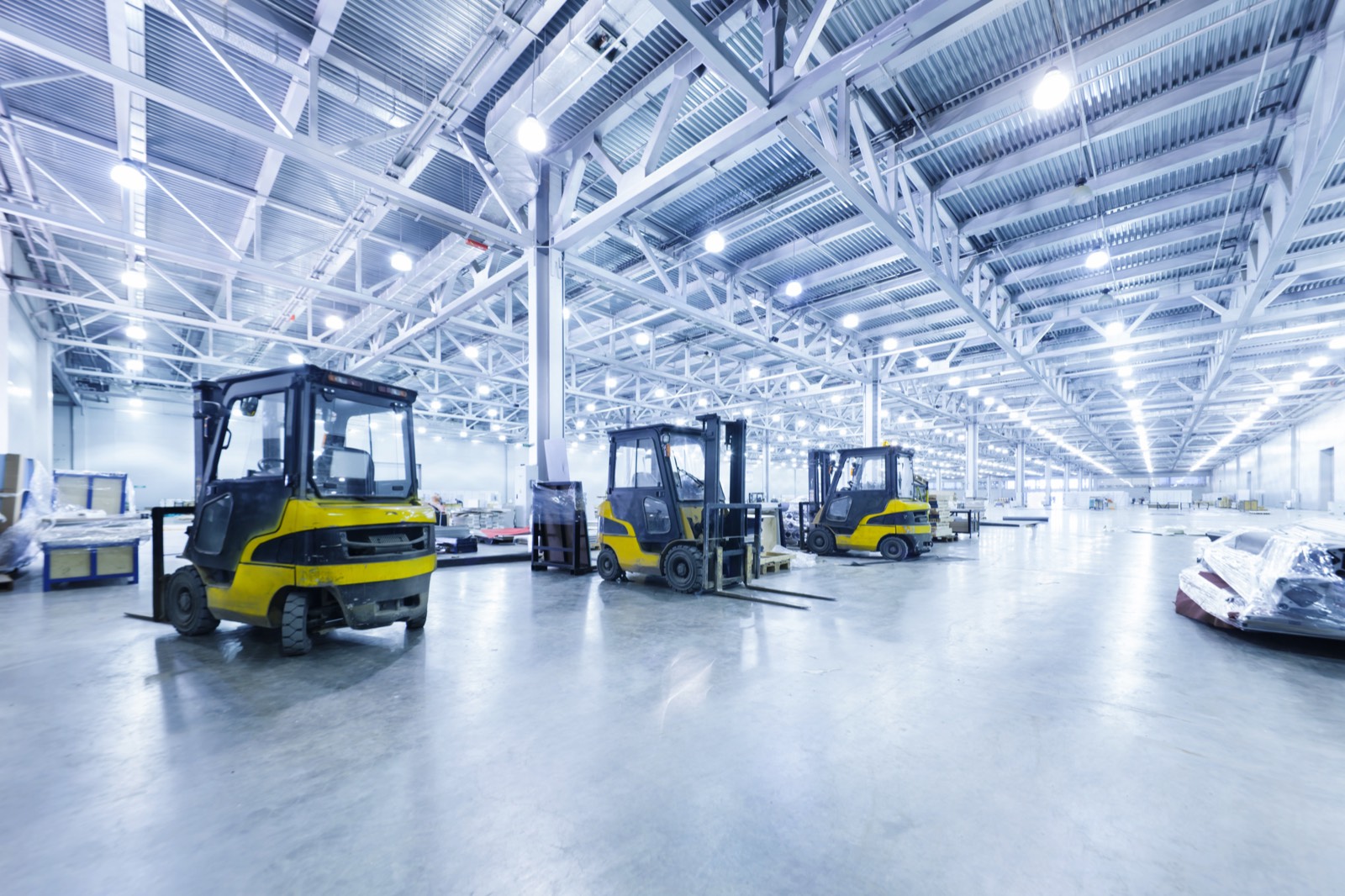
Industrial and warehouse spaces need robust electrical systems.
About warehouse electricalFree estimates on all projects. Same-day service available across the GTA. Send the details and a licensed electrician replies the same day.
Or call 416-837-4038Free written quote
Tell us about the job and we reply the same day. For an emergency, call 416-837-4038 instead.
A licensed electrician answers every call, day or night.