Panels and breakers · installed by a licensed contractor
Square D Homeline Panel Installation in Toronto & the GTA
City Power installs Square D Homeline panels for Toronto and GTA homeowners replacing an old breaker panel, upgrading service capacity, or planning new loads. We are a Licensed Electrical Contractor, ECRA/ESA #7015314, and panel work is completed with ESA notification and inspection where required.
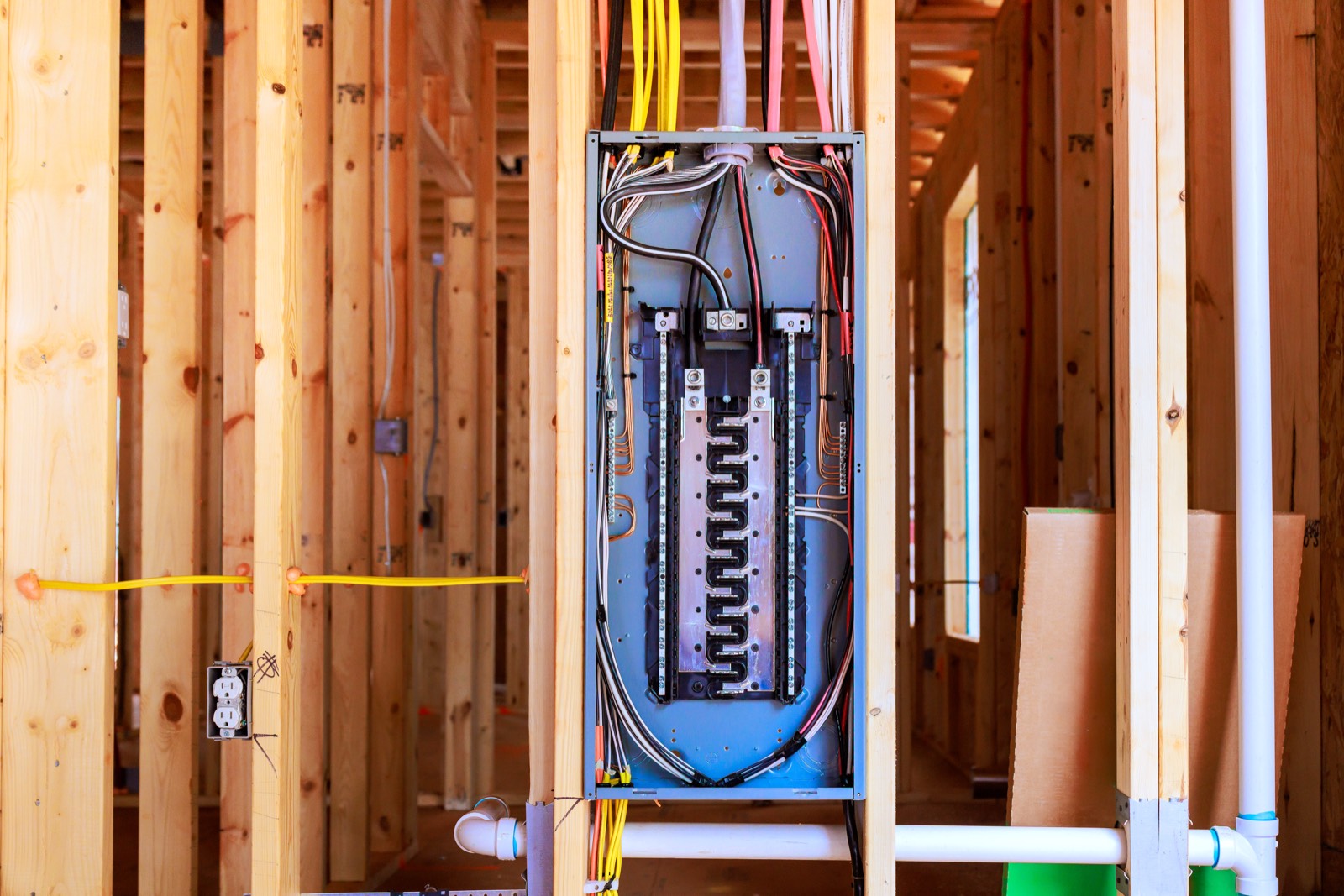
A Square D Homeline panel suits homeowners who want a practical residential load centre with planned breaker compatibility
A Square D Homeline panel is a residential breaker panel used to distribute power from the service to branch circuits in the home. It is often considered when an older panel is crowded, when a fuse panel is being replaced, or when a homeowner wants a clean panel layout before adding larger loads.
The key point with Homeline is compatibility. Homeline panels require compatible Homeline breakers listed for that panelboard. We do not mix breaker families just because a breaker appears to fit the bus. During a panel replacement, we check the panel label, breaker type, breaker ratings, AFCI/GFCI requirements, circuit count, and whether existing circuits can be safely transferred.
Homeline can be a good fit for many detached, semi-detached, townhouse, and small multi-residential situations where the goal is a conventional breaker panel rather than a smart energy-management panel. If you are still comparing panel families, it is worth looking at Square D QO panel installation, Siemens panel installation, and Eaton panel installation before the equipment is selected.
A panel choice should not be made by brand alone. The right panel has enough physical spaces, enough service capacity, proper service equipment markings, room for future circuits, and a clear circuit directory that someone can understand years later.
Electrical requirements start with the load calculation, not the panel box
A Homeline panel is hardwired service equipment or distribution equipment. The amperage is selected around the home’s calculated load, existing service size, service conductors, grounding and bonding, and the loads you expect to add.
For a Toronto or GTA panel change, the load calculation should include today’s circuits and realistic future loads: EV chargers, heat pumps, hot tubs, basement apartments, electric ranges, dryers, workshops, and spare circuits for renovations. A panel with empty breaker spaces is not the same thing as available electrical capacity. The service still has to support the connected and demand load under the Ontario Electrical Safety Code.
We also look at the practical panel details that affect the finished installation:
- Main breaker rating and service size
- Whether this is service equipment or a sub-panel
- Neutral and bonding arrangement, including keeping neutrals and grounds separated where required
- AFCI and GFCI protection requirements on affected circuits
- Existing conductor condition and whether any cable is too short, damaged, doubled up, or incorrectly identified
- Space for two-pole breakers serving EV chargers, ranges, dryers, air conditioning, hot tubs, or sub-panels
- Whether load management is needed instead of a service upgrade
If the project includes an EV charger, the panel decision should be made together with the charger circuit design. In some homes, a load-management device can avoid a larger service upgrade; in others, a 200A upgrade is the cleaner long-term answer. Our panel upgrades page explains the service-upgrade side in more detail.
Utility coordination may be required when service conductors, the meter base, mast, or overhead/underground service connection are affected. In Toronto and the GTA, that may involve Toronto Hydro, Alectra, Hydro One, Elexicon, Oshawa Power, Oakville Hydro, Burlington Hydro, or another local distributor depending on the address.
Installation includes ESA notification, safe transfer of circuits, testing, and inspection
Panel change work requires ESA notification and inspection in Ontario. City Power files the notification where required, installs the panel, labels the circuits, tests the work, and coordinates the inspection process.
A typical Homeline panel installation starts with a site visit. We identify the existing service size, panel location, grounding and bonding, working clearance, meter arrangement, visible wiring condition, and any signs of overheating or amateur modifications. We also ask what is coming next: EV charger, heat pump, basement finish, kitchen renovation, hot tub, or rental suite.
On installation day, the power is shut down safely. Where utility disconnection is required, the utility step must be arranged before the work date. The old panel is removed, the new Homeline panel is mounted level and secure, service and branch conductors are landed, and only compatible listed breakers are installed. Any unused openings are closed with proper fillers, and the panel cover must fit correctly without forcing breakers or conductors.
Testing is more than turning the lights back on. We verify breaker operation, circuit identification, polarity, grounding, GFCI/AFCI function where applicable, and visible termination quality. We also check for overloaded neutrals, incorrect multi-wire branch circuit handling, missing connector fittings, open knockouts, and circuits that should not be re-energized until corrected.
The ESA inspection confirms that the installation meets the Ontario Electrical Safety Code. If the inspector requires a correction, it must be corrected before the job is considered complete. We also complete cleanup, because a panel change should not leave wire scraps, old breakers, knockouts, or packaging around the electrical room.
Cost, timeline, and whether Homeline is the right choice depend on service scope
Homeline panel installation is quoted in writing after a site visit unless it falls into a published service-upgrade band. For a Square D Homeline upgrade from 100A to 200A in the GTA, pricing is usually $3,200–$4,500 with the panel, labour, ESA permit, and inspection included. Changing a 60A fuse panel to a Square D Homeline setup is typically $4,000–$6,000, since the service entrance and meter base often have to be replaced as well.
If you are keeping the same service size and replacing a panel only, the price is quoted after we see the panel location, conductor condition, grounding, available working space, and whether the utility or meter base is involved. Adding circuits at the same time, such as EV charging, hot tub wiring, a sub-panel, or a basement renovation, changes the scope.
Once utility timing and ESA inspection timing are arranged, the physical panel change is commonly planned as about a day for a straightforward residential service. More time may be needed when the meter base, mast, service conductors, grounding electrode conductor, finished walls, or multiple added circuits are part of the work.
Homeline is usually the right choice when you want a standard, serviceable residential panel and are comfortable staying within the Homeline breaker ecosystem. It may not be the right choice if you specifically want a premium breaker family, advanced circuit-level energy monitoring, or app-controlled load control. For that type of comparison, see our Span smart panel installation page or browse the product installation hub.
The safest decision is to choose the panel after the load calculation, not before it. Call City Power at 416-837-4038 for a free written estimate in Toronto, North York, Scarborough, Etobicoke, Mississauga, Brampton, Markham, Vaughan, Richmond Hill, and the GTA.
Want a licensed electrician to take a look?
Free written quote, usually the same day. ESA permits handled.
Common questions
Can I use non-Homeline breakers in a Square D Homeline panel?
Only breakers listed as compatible for that specific Homeline panelboard should be used. We check the panel label and breaker markings instead of relying on physical fit.
Does a Homeline panel upgrade always mean 200 amps?
No. The service size depends on the load calculation, existing service equipment, and future plans. EV chargers, heat pumps, hot tubs, basement apartments, and added circuits all need to be considered before choosing the panel and service size.
Is ESA inspection required for a Homeline panel replacement in Ontario?
Yes, panel change work requires ESA notification and inspection in Ontario. City Power handles the required notification process where applicable and completes the work for inspection.