Code, permits & compliance
Condo EV Charger Rules Ontario
In Ontario, a condo EV charger normally needs two approvals: condominium approval under the Condominium Act framework and electrical approval through an ESA notification by a Licensed Electrical Contractor. A parking spot being assigned or deeded does not remove the need to protect common elements, shared electrical capacity, fire safety and other owners’ costs.
The rule applies to owners, boards, tenants and shared parking systems
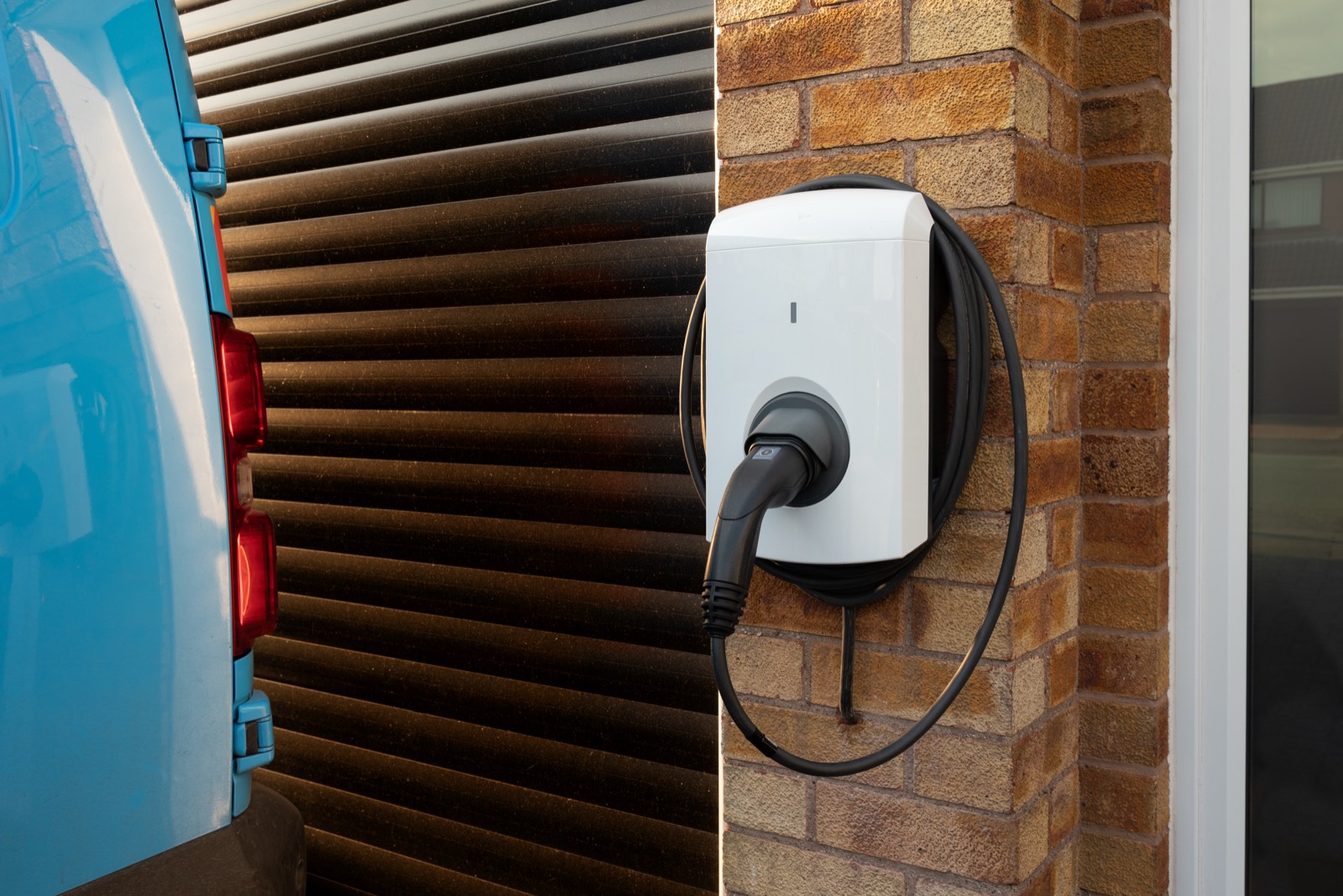
Ontario condo EV charger rules sit in two places at the same time. The Condominium Act and its regulations set the approval process between the unit owner and the condominium corporation. The Ontario Electrical Safety Code and ESA process set the electrical requirements for the actual charger, circuit, feeder, panel work and inspection.
That means a condo owner cannot treat a charger like a regular appliance. Even when the parking space is owned or exclusive-use, the route to the stall usually crosses common elements: garage slab, columns, conduits, electrical rooms, metering cabinets, fire separations and shared distribution equipment. The board has a real duty to manage those assets for every owner.
The framework covers two common paths:
- Owner-requested installation: an owner asks to install an EV charging system for their parking space.
- Corporation-led installation: the condo corporation installs shared chargers, infrastructure for multiple stalls, or a building-wide load-management system.
A tenant in a rented condo usually cannot approve alterations to common elements directly. The unit owner and condominium corporation need to be involved, and the Residential Tenancies Act does not override electrical safety, condo documents or board approval.
Before anyone buys hardware, the practical question is capacity. A Level 2 charger is not just a wall box; it is a continuous electrical load that may affect the garage distribution, house service, transformer, splitter cabinets, metering and future charger requests. Our condo and home EV charger installation service starts with that electrical path, not the brand of charger.
Approval requires a technical plan, not just board permission
The board approval package should show exactly what is being installed, where it will run and who is responsible for it. A vague request like “I want a charger in P2” is not enough for a condo manager, engineer or insurer to review.
A workable condo EV charger submission usually includes:
- the charger make, model, amperage and certification markings
- parking stall number and proposed mounting location
- source panel, feeder or EV distribution equipment
- routing of conduit through the garage
- whether the charger is individually metered, sub-metered, billed by the corporation or part of a shared network
- load calculation or load-management design
- impact on fire separations, ramps, drive aisles, accessible spaces and storage areas
- proposed ownership, maintenance and removal responsibility
- confirmation that a Licensed Electrical Contractor will file the ESA notification where required
The Condominium Act framework also requires the cost question to be clear. The agreement should state who pays for design, installation, ESA fees, electrical consumption, network fees if any, repairs, damage to common elements, insurance requirements and future removal or relocation. If the corporation later upgrades the garage electrical system, the agreement should say whether the owner’s installation must be modified and who pays.
For many buildings, the most important document is the electrical load assessment. A condo garage may have spare breaker spaces but still lack spare capacity at the panel, feeder, transformer or main service. In other buildings, capacity exists only if chargers are controlled by a load-management system that limits simultaneous charging. Guessing is risky because the first few chargers can consume capacity that later owners will need.
If the design includes a new panel, service equipment or utility coordination, the review may involve Toronto Hydro, Alectra, Oakville Hydro, Burlington Hydro, Oshawa Power, Elexicon or Hydro One, depending on the municipality. For the ESA side of the job, see our ESA notification process guide.
The installation must satisfy the OESC and ESA, even after the condo says yes
Board approval is not an electrical permit. ESA acceptance is not condo approval. You need both.
Under the Ontario Electrical Safety Code, the charger circuit must be sized and installed for the actual load, environment and wiring method. In a condo garage, that usually means more attention to mechanical protection, conductor fill, bonding, voltage drop, labelling, firestopping and access to disconnecting means than in a single-family garage.
Common technical issues include:
- charger amperage set higher than the approved circuit can carry
- uncertified or field-modified EV equipment
- conduit exposed to vehicle impact without protection
- unsupported conduit across concrete ceilings or columns
- penetrations through rated walls or slabs without proper firestopping
- no clear method to meter or allocate electricity use
- no load-management device where the building service calculation requires one
- no maintenance access because the charger is blocked by storage, bikes or parking lifts
The OESC also changes over time. A design that was acceptable years ago may need updates when new work is done. Where charger installation interacts with grounding, GFCI protection, panel capacity or equipment certification, the current code edition and ESA direction matter. Our 2024 Ontario Electrical Safety Code changes guide gives a broader code context, but the actual EV design still needs to be reviewed for the building.
In the GTA, a simple condo Level 2 charger install with nearby panel access and available capacity typically costs $800–$1,500 for labour, materials, and the ESA permit. If the condo installation needs longer cable runs or work through finished walls, the price often rises to $1,500–$3,500, with the charger adding another $500–$1,200. Condo work is often quoted in writing after a site visit because parking level routing, coring, metering and load management vary widely.
Mistakes are usually caught by the board, ESA, insurers or the next buyer
The most common condo EV mistake is starting with the charger purchase instead of the approval path. The second is assuming that because a neighbour has a charger, the next stall can be wired the same way. Capacity, conduit path and cost allocation can change from one parking space to the next.
Other mistakes we often see in condo discussions:
- using a regular receptacle or extension cord for regular charging in a garage stall
- installing a charger before the alteration agreement is signed
- routing conduit through common areas without drawings or permission
- tying into a house panel without a billing method approved by the corporation
- ignoring network, cellular or Wi-Fi requirements in underground levels
- installing a high-amperage charger when a lower setting would meet the owner’s driving needs and preserve building capacity
- assuming the property manager can waive ESA requirements
These mistakes are caught in different ways. A board or property manager may notice unapproved conduit. ESA may identify missing notification, incorrect wiring method, undersized conductors, uncertified equipment or incomplete labelling. An insurer may ask for proof that the installation was code-compliant after a fire, impact damage or water event in the garage. A buyer’s lawyer may ask for the EV agreement and ESA documentation through the status certificate review.
If ESA accepts the installation, the owner or corporation should keep the Certificate of Acceptance with the condo agreement, charger manual, load-management settings and any metering documents. Our ESA Certificate of Acceptance guide explains what that document means and what it does not mean.
Inspection, sale and claim time all come back to documentation
At inspection, ESA is looking at the electrical work, not whether the condo agreement is fair. The inspector may check that the installed circuit matches the notification, conductors and raceways are suitable, equipment is approved for use in Canada, bonding and grounding are correct, overcurrent protection is correct, and the charger is installed according to its markings and instructions.
In a parking garage, the inspector may also look closely at mechanical protection and the route through common areas. A charger mounted on a column beside a drive aisle has a different risk profile than one on a protected wall behind the stall. If conduit passes through fire-rated assemblies, proper sealing and coordination with the building may be required.
At sale time, a condo EV charger can be an asset only if the paperwork is clean. The status certificate package may disclose the installation agreement, monthly fees, maintenance responsibility and any arrears. If the agreement says the owner must remove the charger on sale, relocation or parking reassignment, that can affect the deal. If the installation was done without approval, the board may require removal or correction before closing.
At insurance claim time, the questions are blunt: who approved it, who installed it, was ESA notified, was it accepted, and did the installation follow the agreement? An unpermitted charger in a shared garage creates problems beyond the owner’s stall because smoke, water, vehicle impact and fire response can affect the entire building.
For single questions about whether a permit is needed, see Do I need a permit to install an EV charger in Ontario?. Condo projects add the corporation approval layer on top.
What to do next
Start with the condo manager and the electrical capacity, not the charger brand. Ask whether the corporation already has an EV charging policy, approved contractor requirements, preferred metering method, engineering standard or building-wide plan. If it does, design within that system. If it does not, submit a proper technical proposal instead of asking for informal permission.
For condo EV charger work in Ontario, City Power Electrical Services operates as a Licensed Electrical Contractor, ECRA/ESA #7015314. We prepare written estimates, file ESA notifications where required, install to the Ontario Electrical Safety Code and clean up after the work. For a condo EV charger, we can review the parking stall, electrical room, conduit route, panel capacity, load-management options and documentation needed for board review.
Call 416-837-4038 or request a written estimate for EV charger installation in Toronto and the GTA. If the building needs a broader review before approving multiple chargers, an electrical inspection or capacity assessment should come first.
Want a licensed electrician to take a look?
Free written quote, usually the same day. ESA permits handled.
Authorities cited
- Ontario Condominium Act, 1998 and Ontario Regulation 48/01 EV charging provisions
- Ontario Electrical Safety Code EV supply equipment, branch circuit, grounding and wiring method requirements
- Electrical Safety Authority notification, inspection and Certificate of Acceptance process
- Ontario Fire Code and building fire-separation considerations for parking garages
Common questions
Can a condo board refuse an EV charger in Ontario?
A board must handle EV charger requests under the Condominium Act and its regulation framework. Refusal should be based on the permitted safety, property, structural, legal or technical grounds, not personal preference. The building may require drawings, an agreement, load assessment, insurance terms and ESA-compliant installation.
Do I need ESA notification for a condo EV charger?
Yes, EV charger wiring normally requires ESA notification by a Licensed Electrical Contractor. Condo approval and ESA acceptance are separate. The board can approve the alteration, but ESA still has to accept the electrical installation where notification is required.
Who pays for a condo EV charger installation?
For an owner-requested charger, the owner usually pays for the installation, electricity, maintenance, insurance requirements and any future removal or relocation set out in the agreement. Corporation-led shared systems may allocate costs differently through the condo’s approved process.
Can I plug my EV into an existing garage outlet?
Do not use a regular garage receptacle for ongoing EV charging unless the condo corporation has approved it and a Licensed Electrical Contractor has confirmed it is suitable for that load. Shared garage receptacles are often not metered to your unit and may not be designed for continuous charging.