Comparison
Powerwall vs Standby Generator
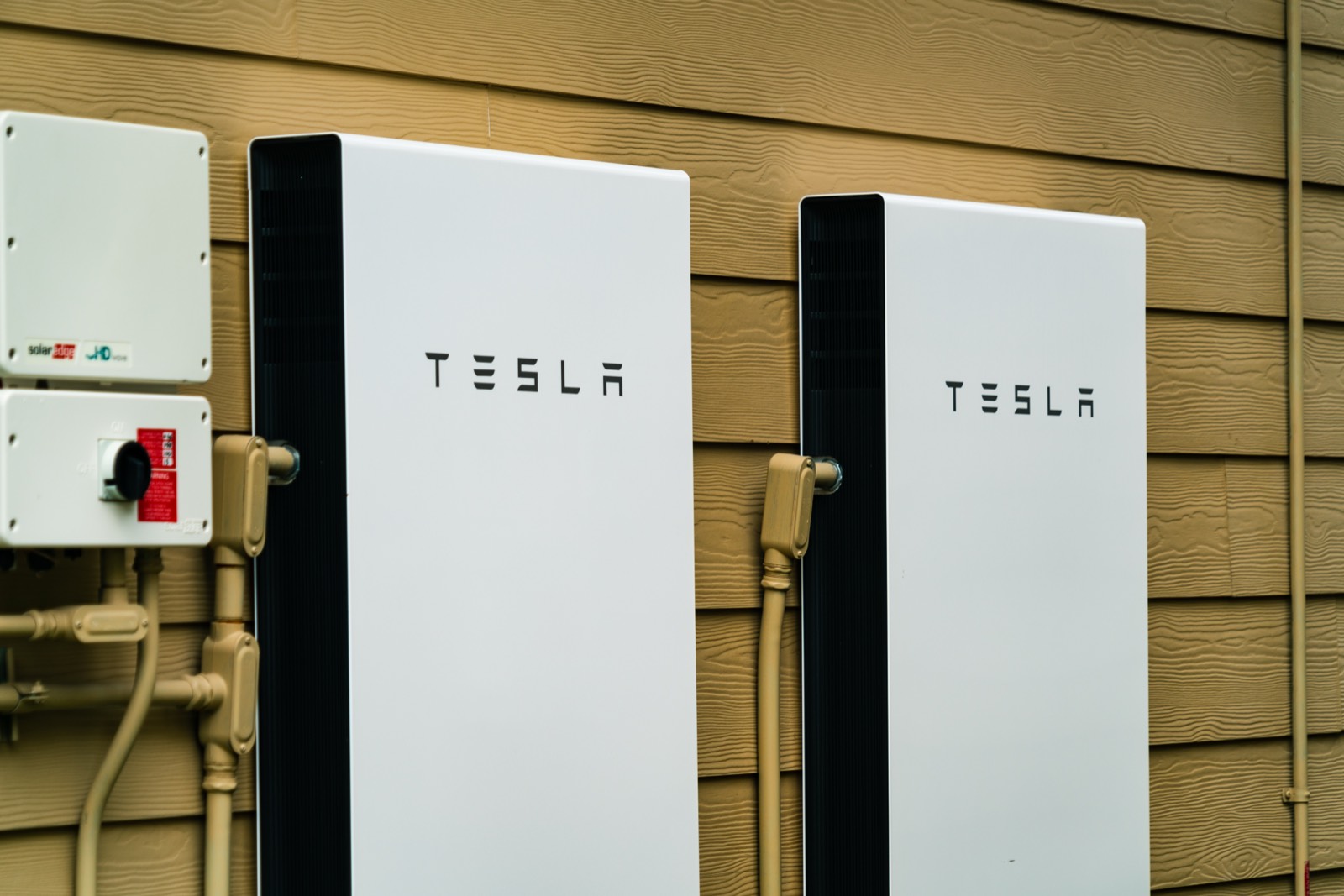
If you want silent, automatic backup for essentials and a solar-ready path, choose a Powerwall-style battery. If you want to carry heavy loads through a long outage, choose a standby generator. Many GTA homes land in the middle: a battery for clean everyday backup, or a generator when sump pumps, heating equipment, wells, large appliances, or multi-day outages are the real concern.
A Tesla Powerwall 3 installed typically runs $13,000–$18,000 including the unit, backup gateway, electrical work, and permits. For comparison with a Powerwall, a typical GTA standby generator installation — including the unit, automatic transfer switch, gas connection, electrical work, and permits — usually costs $12,000–$20,000, depending on site conditions and generator size (10–26 kW).
The right answer is not just price. It is how long you need backup, what must run, whether you have natural gas, where equipment can physically go, and whether you plan to add solar later. City Power Electrical Services installs battery storage systems and can route generator-specific projects to generator installation when an engine-based system is the better fit.
The quick verdict: Powerwall is cleaner and quieter; a standby generator lasts longer under heavy loads
A Powerwall is best when you want automatic backup with no engine, no exhaust, no fuel delivery, and almost no noise. It is especially strong for essential circuits: fridge, freezer, internet, lights, selected receptacles, sump pump, furnace controls, and small appliance use. It can be installed as battery-only backup now, or as part of a solar-ready design so future solar can recharge the battery during daylight.
A standby generator is best when outage duration matters more than silence. If the home has large heating, cooling, pump, cooking, or appliance loads that must keep running, a properly sized standby generator is usually the stronger backup tool. It starts automatically, transfers the home to generator power, and keeps running as long as fuel is available and the equipment is operating correctly.
Neither system should be treated like a big extension cord. Both need proper transfer equipment so power cannot backfeed the utility grid. Both require load calculations, ESA notification where required, correct grounding and bonding, and an inspection path. The work is not just connecting a box to a panel; it is deciding which circuits are safe and realistic to back up.
| Factor | Powerwall-style battery | Standby generator |
|---|---|---|
| Best use | Silent automatic backup for essential loads, solar-ready homes, battery-only backup | Long outages, heavier loads, larger homes, whole-home backup goals |
| Outage duration | Limited by stored energy and the loads you run; solar can extend runtime if installed | Runs as long as fuel is available and the generator is maintained |
| Fuel | No on-site fuel; charges from grid and, if designed for it, solar | Usually natural gas or propane, with exhaust and combustion equipment |
| Noise | Very quiet in operation | Audible engine noise during exercise and outages |
| Maintenance | Low mechanical maintenance; software, battery health, and electrical checks matter | Engine maintenance, starting battery, oil, filters, exercise cycle, gas system checks |
| Electrical loads | Excellent for selected essential circuits; large electric loads reduce runtime quickly | Better for central air, pumps, ranges, larger panels, and sustained high demand if sized correctly |
| Installation gear | Battery, backup gateway, protected loads or whole-home design, communications | Generator, automatic transfer switch, gas connection, pad, outdoor wiring, control wiring |
| Typical installed cost | $13,000–$18,000 for Tesla Powerwall 3 installed | $12,000–$20,000 for a typical GTA standby generator |
Powerwall wins when silence, simplicity, and solar-ready backup matter most
A Powerwall-style battery is often the better fit for a Toronto or GTA homeowner who wants backup without an engine running beside the house. There is no exhaust location to coordinate, no weekly engine sound to consider, and no fuel line sizing question in the same way a standby generator has.
The most important design decision is what the battery will back up. A full-home backup design may be possible in some homes, but many battery installations are better designed around critical loads. That can mean a protected-loads panel with the circuits that actually matter during an outage:
- Sump pump or sewage pump if present
- Fridge and freezer circuits
- Internet modem, router, and home office receptacles
- Furnace controls and blower where compatible
- Selected lighting circuits
- Security, doorbell, or low-voltage equipment
- A few kitchen or bedroom receptacles
This is where battery systems feel different from generators. With a generator, the question is often, “How many loads can we size for?” With a battery, the question is, “Which loads deserve stored energy?” Electric ranges, electric dryers, hot tubs, saunas, EV chargers, and large electric heating can drain a battery quickly or require load controls. We often recommend keeping those off the backed-up side unless the whole system has been specifically engineered for them.
Battery-only backup is also valid. You do not need solar panels to install battery storage. The battery charges from the grid, then takes over automatically during an outage through the backup gateway. For some homeowners, that is enough: short outage coverage, no generator noise, and a cleaner installation.
Solar-ready is the next step. If you expect to add solar later, the backup design should leave room for that. Conduit routes, gateway location, panel space, monitoring, and the protected-loads strategy should all be planned so the future solar tie-in does not require reworking the backup system. For Ontario homes, we also confirm the utility and ESA requirements that apply to the final system design.
For more battery-specific considerations, see our Tesla Powerwall review for Ontario homeowners.
A standby generator wins when long outages and heavy loads are the priority
A standby generator is the better fit when the homeowner wants the house to behave normally during a longer outage. If the property has a finished basement with a sump pump, medical equipment, a large fridge and freezer setup, electric cooking loads, well equipment, or a strong need for heating and cooling continuity, a generator can make more sense.
The generator path has more site conditions than a battery. The equipment normally sits outdoors and needs a suitable location for exhaust, sound, service access, snow clearance, and gas connection. A transfer switch or transfer equipment isolates the home from the grid before the generator supplies power. The gas side must be coordinated by the appropriate trade, and the electrical side still needs correct sizing, wiring, controls, and ESA notification where required.
Generator sizing is also not just panel size. A 200A panel does not mean the home needs to run every possible load at once. The real work is identifying starting currents and priority loads: central air, furnace blower, well pump, sump pump, fridge, freezer, kitchen circuits, garage door opener, lighting, and any equipment that cannot be off for long. Load-shedding controls may be used so the generator does not try to carry everything at the same time.
Maintenance is the tradeoff. A standby generator is a real engine. It needs periodic service, test operation, a healthy starting battery, clean intake and exhaust paths, and attention after storms or long run periods. It also makes noise. That is not a flaw; it is the reality of an engine producing backup power.
If you already know you want an engine-based system, start with generator installation in Toronto and the GTA. For generator cost detail, compare the numbers in home standby generator cost in Ontario and generator installation cost.
The loads decide more than the brand name
The cleanest way to compare powerwall vs standby generator is to list the loads that must run in an outage, then separate “must-have” from “nice-to-have.” A backup system should be designed around real circuits, not a vague idea of whole-home comfort.
Loads that usually suit battery backup
Batteries work well for smaller, steady, essential loads. A fridge cycling on and off, LED lighting, internet equipment, furnace controls, and selected receptacles are good candidates. A sump pump can also be a priority, but pump size, starting current, and how often it runs during a storm all matter.
A battery can also protect sensitive electronics from outage interruptions. It is not the same as a panel-mounted surge protector, but the automatic transition can keep selected backed-up circuits alive when the grid drops.
Loads that push toward generator backup
Large 240V loads change the conversation. Central air conditioning, electric water heating, electric ranges, electric dryers, hot tubs, saunas, and EV charging are not ideal battery loads unless the system is intentionally built around them with appropriate controls. They either draw too much power, reduce runtime too quickly, or create load-management problems.
A generator can be sized for larger loads, but even then, not every load belongs on backup. EV charging during an outage, for example, may be technically possible in some designs but is rarely the first priority when the home needs heating, refrigeration, pumps, and lighting.
What the ESA inspection is looking for
For either system, the inspection is about safe installation, not personal preference. The inspector may look at conductor sizing, overcurrent protection, transfer equipment, labelling, panel connections, grounding and bonding, working clearances, outdoor wiring methods, and whether the installation matches the filed notification.
For generators, utility isolation through the transfer equipment is critical. For batteries, the backup gateway, protected-loads arrangement, disconnecting means, and labelling must be clear. If the home has an older panel, limited breaker space, or previous amateur wiring, those issues may need to be corrected before backup power is added.
What we recommend for a GTA home
For most GTA homes, we recommend starting with a load plan, not a product choice. Walk the panel and mark the circuits you truly need during an outage. Then decide whether the outage you are planning for is a short grid interruption, a storm day, or a multi-day event where heating, pumps, refrigeration, and normal living loads must continue.
Choose battery storage if you want quiet automatic backup, have reasonable essential loads, may add solar, or prefer a battery-only system that avoids fuel and engine maintenance. It is also a strong option for urban lots where generator placement, sound, or exhaust routing is awkward.
Choose a standby generator if your main risk is long outages, heavy loads, or a home that cannot tolerate limited backup. Rural-edge properties, larger homes, properties with multiple pumps, and homes where comfort systems must keep running often belong in the generator category.
Consider a hybrid mindset even if you do not install both at once. A solar-ready battery plan can protect essentials now and leave room for future generation. A generator plan can be designed around priority loads instead of automatically backing up every circuit. The best system is the one that matches how the home is actually used.
We provide free written estimates, file ESA notifications where required, arrange inspection, and clean up when the work is complete. For a battery-first quote, start with battery storage installation. If the load plan points to an engine system instead, we will route the project through generator installation.
Want a licensed electrician to take a look?
Free written quote, usually the same day. ESA permits handled.