
Comparison
Pot Lights vs Flush Mounts vs Track Lighting
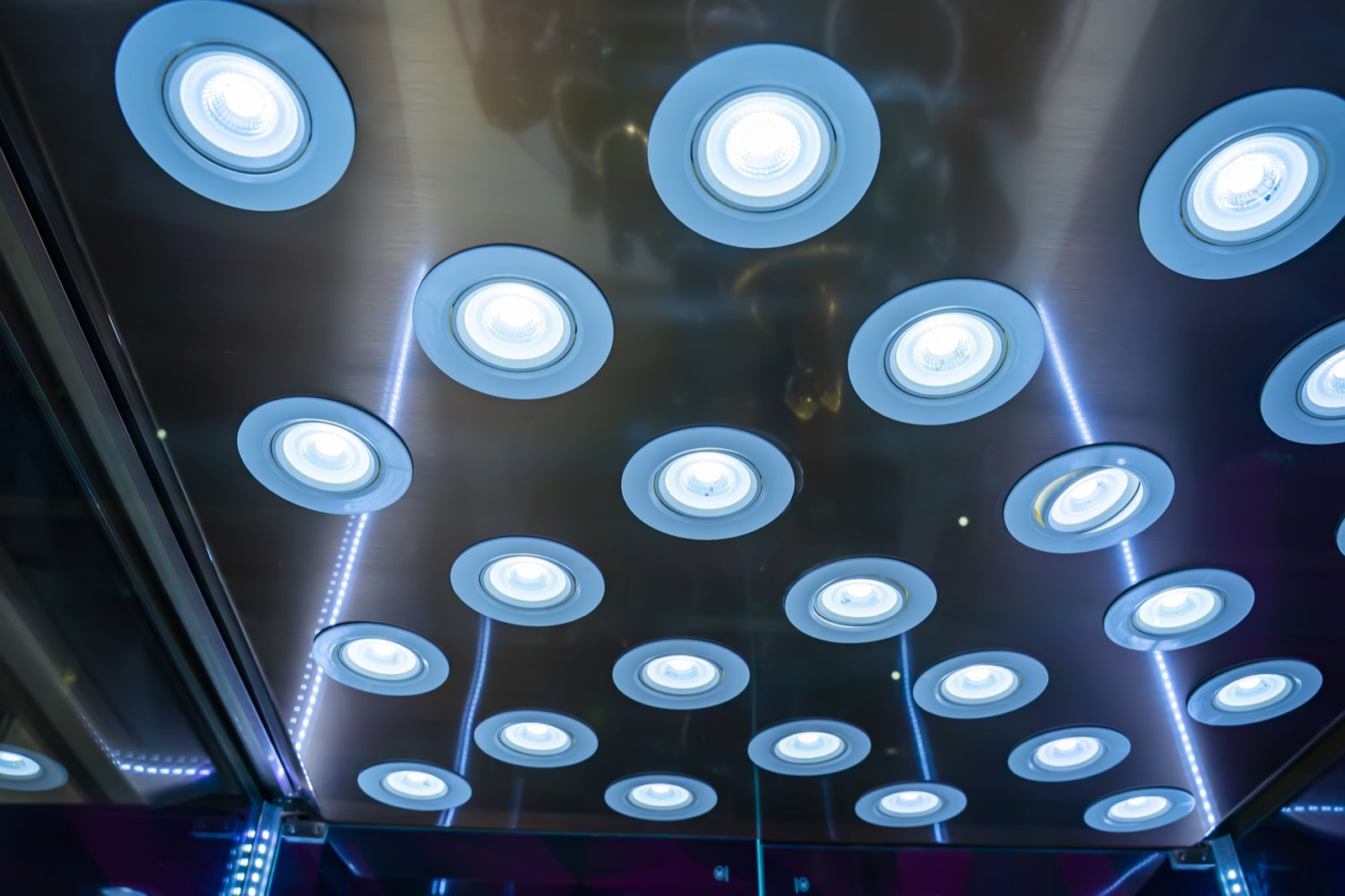
The short answer: pot lights are best for clean whole-room lighting, flush mounts are best for simple low ceilings, and track lighting wins when you need flexibility with less ceiling cutting
For most GTA main-floor remodels, pot lights are the best long-term choice when the goal is even, modern lighting that does not hang into the room. They work especially well in kitchens, living rooms, basements, hallways, and open-concept spaces where you want the ceiling to disappear and the light pattern to feel intentional.
Flush mounts are the practical choice when you already have one ceiling box, the ceiling is low, and you only need general light in a bedroom, laundry room, hallway, closet, or rental unit. They are not as refined for wide rooms because one central fixture creates shadows at the corners, but they are efficient and straightforward.
Track lighting is the middle option. It is visible like a fixture, but it gives directional heads for artwork, kitchen islands, desks, retail-style displays, or rooms where furniture changes. Track lighting also avoids extensive ceiling cutting in many situations because one existing ceiling feed can power a surface-mounted track, instead of opening the ceiling for several recessed fixtures.
The right answer depends on five things: ceiling height, room use, beam spread, aesthetics, and access above the ceiling. The mistake is choosing by fixture style alone. A bright-looking fixture can still leave a room with glare, scallops on the wall, dark corners, or shadows over the counter.
| Option | Best use | Strength | Limitation | Typical pricing |
|---|---|---|---|---|
| Pot lights | Kitchens, basements, living rooms, hallways, open concept | Clean ceiling, even layout, good resale feel | Needs planning for spacing, joists, insulation, dimming, and switching | For recessed lighting, most GTA pot light installs cost $100–$150 per light, with the LED fixture, wiring, and switching included |
| Flush mounts | Bedrooms, closets, laundry rooms, small halls, low ceilings | Simple, central light from an existing box | One source can create shadows and a dated look in larger rooms | Quoted in writing after a site visit |
| Track lighting | Concrete ceilings, condos, galleries, work areas, feature walls | Adjustable heads and often less ceiling cutting | Visible hardware; can look busy if overused | Quoted in writing after a site visit |
If you already know you want recessed lighting, start with our pot light installation service. If you are still deciding size and layout, the comparison below will help you avoid over-lighting, under-lighting, or choosing a fixture that fights the room.
Pot lights win when you want the ceiling to look clean and the room to be evenly lit
Pot lights are recessed into the ceiling, so the fixture does not compete with cabinets, beams, ceiling fans, dining pendants, or furniture. In a GTA renovation, that matters. Many Toronto and North York homes have mixed ceiling heights, older joist layouts, and rooms that have been opened up over time. A planned pot light grid can make those spaces feel more consistent.
They work best when the lighting goal is broad ambient light, task light over counters, or a layered layout with dimming. In a kitchen, pot lights can cover walkways and work zones while pendants handle the island. In a basement, low-profile LED pot lights preserve headroom better than hanging fixtures. In a living room, they give flexible general light without forcing the furniture layout around one central ceiling box.
Beam spread is the part most homeowners underestimate. A narrow beam can create bright circles and dark gaps. A wider beam gives softer general light but may need careful spacing to avoid glare. Ceiling height changes the answer too. The same fixture that feels bright in an eight-foot basement may feel weaker in a taller open stairwell or vaulted area.
Access above the ceiling also matters. Open joists during a renovation are ideal. Finished drywall is still workable, but joist direction, existing wiring, insulation, ductwork, plumbing, and fire blocking affect how cleanly new wiring can be fished. In insulated ceilings, the fixture type, vapour barrier detail, and clearance requirements matter. In condos, concrete ceilings often limit recessed options unless there is a dropped ceiling or bulkhead.
Pot lights are not automatically better in every room. Too many can make a ceiling look like an airport runway. Too few can create a cave effect around the walls. The layout should follow the room: counters, seating, doors, art, TV location, and switches. For fixture size decisions, see our guide to 4 inch vs 6 inch pot lights.
On cost, pot lights are the only option here with a published installed range from City Power: For recessed lighting, most GTA pot light installs cost $100–$150 per light, with the LED fixture, wiring, and switching included. For a standard living room setup with 6–8 pot lights, the cost is usually $700–$1,200. Final pricing depends on access, ceiling construction, switching, dimmers, patching expectations, and whether ESA notification is required.
Flush mounts win when the ceiling is low, the room is simple, and the existing box is in the right place
A flush mount is a surface fixture attached to an electrical box. It sits close to the ceiling and spreads light from one central point. That makes it a strong choice for bedrooms, hallways, laundry rooms, storage rooms, furnace rooms, closets, and secondary spaces where the goal is reliable general light without redesigning the ceiling.
Flush mounts are especially useful when the ceiling is low and you do not want anything hanging down. A semi-flush or pendant may look good in a showroom but feel intrusive in a basement bedroom or older Toronto hallway. A slim LED flush mount keeps the room simple and avoids headroom problems.
The weakness is light distribution. One centre fixture tends to put the brightest light in the middle of the room and weaker light near walls, counters, corners, and closets. In a bedroom, that may be fine because lamps add layers. In a kitchen, it often creates shadows exactly where you chop, wash, and work. In a living room, it can make the centre feel harsh while the seating edges stay dim.
Aesthetically, flush mounts read as a visible fixture. That can be a feature if the fixture suits the room, or a compromise if the goal is a clean renovation look. They also do not solve layout problems. If the existing box is off-centre because a wall was removed, replacing the fixture does not fix the visual imbalance.
Flush mounts can be the right answer when:
- The existing ceiling box is properly supported and well located.
- The room is small or secondary.
- You want a quick visual update without changing the lighting plan.
- Ceiling height is limited.
- You do not need directional task lighting.
They are less ideal when the room is wide, the ceiling box is not centred over the usable space, or you want multiple lighting zones. Pricing for flush mount installation is quoted in writing after a site visit because the work may be a simple fixture replacement, a new box installation, a switch change, or a wiring correction.
Track lighting wins when you need aimable light or want to avoid opening a finished ceiling in several places
Track lighting uses a powered rail with adjustable heads. The rail is visible, but each head can be aimed at a counter, art wall, desk, shelving unit, fireplace, or seating area. That makes it useful in rooms where one fixed fixture does not point light where you need it.
The biggest practical advantage is ceiling access. When a room has a finished plaster ceiling, a concrete condo ceiling, unknown joist direction, or limited access above, track lighting can often use one existing ceiling feed and spread several heads along a surface-mounted rail. That can avoid cutting multiple pot light openings, fishing several cable runs, and repairing long drywall channels.
This is why track lighting is common in condos, studios, home offices, older homes with plaster ceilings, and rooms with exposed beams or limited cavities. It is also useful when the furniture layout may change. You can re-aim heads without moving electrical boxes.
Track lighting has tradeoffs. It is intentionally visible. In a minimalist renovation, that may feel like clutter compared with recessed lighting. It can also produce sharper shadows if all heads are aimed from one direction. Head selection matters: flood heads for general light, narrower heads for artwork, and warm colour temperature for living spaces. Poorly chosen heads can create glare when aimed toward seating or reflective counters.
Track lighting is a strong option when:
- The ceiling is concrete, plaster, or difficult to fish.
- You want to light artwork, shelves, a desk, or a kitchen work zone.
- You need flexibility after furniture moves.
- You prefer fewer ceiling penetrations.
- The visible track suits the room’s style.
It is usually not our first recommendation for a standard open-concept main floor where the goal is an invisible, even ceiling plan. In that situation, pot lights usually look more finished. Track lighting pricing is quoted in writing after a site visit because the installation depends on the feed point, track length, ceiling material, switching, dimming compatibility, and fixture system.
The room should decide the fixture: kitchens, basements, bedrooms, condos, and main floors need different answers
A good lighting plan starts with the room, not the catalogue.
For a kitchen, pot lights usually make the strongest base layer. They can be placed over walkways and work areas, while under-cabinet lights handle the counter surface and pendants handle the island. A single flush mount in a kitchen often leaves shadows at the sink and counters. Track can work when there is a concrete ceiling or when you need aimable heads over a galley layout.
For a basement, pot lights are often preferred because they preserve headroom and make the space feel less like a basement. The important details are joist depth, ducts, plumbing, insulation, smoke/CO detector placement, and switching at the stairs. Flush mounts are fine in storage and utility areas. Track lighting can work in a media room or studio, but visible rails may make a low ceiling feel busier.
For a bedroom, a flush mount can be enough if lamps provide the softer layers. Pot lights can work, but they should not be placed directly over pillows or aimed into eyes when lying down. Many bedrooms feel better with fewer recessed fixtures, dimming, and switched bedside lighting. Track lighting is usually only worthwhile if there is a reading wall, desk, or feature area.
For a living room, pot lights usually give the cleanest result when paired with dimmers and, where appropriate, lamps or sconces. The layout should respect TV glare. A pot light directly in front of a television or above a glossy coffee table can be annoying. Track lighting can highlight art or built-ins, but it changes the ceiling look. A flush mount works best in smaller living rooms where the fixture itself is part of the design.
For a condo, the ceiling structure often makes the decision. Many condos have concrete slabs where recessed lighting is not possible without a dropped ceiling or bulkhead. In that case, track lighting, surface-mounted fixtures, or lighting integrated into millwork can be more realistic. Condo work may also require board approval, property management coordination, and rules about work hours and fire stopping.
For a main-floor remodel, pot lights are usually our recommendation if the ceiling can be accessed cleanly. They modernize the room without drawing attention to the fixture. If resale is part of the decision, you may also want to read do pot lights increase home value?.
Permits, dimmers, and existing wiring can change the best choice
In Ontario, lighting work is not just a design decision. New wiring, new fixture locations, new switching, and certain alterations may require ESA notification and inspection. Simple like-for-like fixture replacement is different from adding a row of recessed lights on a new switch leg. If you are unsure, see our answer on whether pot lights need permits.
An ESA inspection may check that wiring methods are appropriate, boxes are accessible where required, connections are enclosed, fixtures are suitable for the location, and the installation follows the Ontario Electrical Safety Code. In a pot light job, the details can include fixture rating, insulation contact, vapour barrier treatment, cable support, dimmer compatibility, and safe clearances around heat-producing equipment.
Dimmers are another common failure point. LED pot lights, LED flush mounts, and LED track heads need compatible dimmers. A mismatch can cause flicker, buzzing, ghosting, poor low-end dimming, or lights that shut off unexpectedly. If you are already dealing with that symptom, read why are my pot lights flickering?.
Existing wiring can also narrow the options. Older homes may have ungrounded boxes, brittle insulation, overloaded switch boxes, hidden junctions, knob-and-tube wiring, or aluminum branch wiring. We do not bury problems behind new fixtures. If a ceiling box is not fan-rated, not properly supported, or too small for the conductors inside, it should be corrected before the new light goes up.
Switching should be planned before holes are cut. A great fixture layout can still be irritating if all lights are on one switch. Kitchens often need separate zones. Basements need logical control from the stairs. Living rooms often benefit from dimming. Track lighting may need a separate switch if it is used as accent light rather than general light.
What we recommend for a GTA home
For most finished GTA homes, we recommend this order:
- Choose pot lights for kitchens, basements, open-concept main floors, hallways, and living rooms where you want a clean ceiling and even light.
- Choose flush mounts for bedrooms, laundry rooms, closets, small halls, and simple low-ceiling rooms where one central fixture is enough.
- Choose track lighting for concrete ceilings, plaster ceilings, art walls, home offices, studios, and situations where you want aimable light without extensive ceiling cutting.
The best projects usually mix fixture types. Pot lights can provide the base layer, a pendant can define a table or island, under-cabinet lighting can brighten counters, and a flush mount can handle a secondary room. The goal is not to use one fixture everywhere. The goal is to make each room easier to use.
We provide free written estimates, file ESA notifications where required, and clean up when the job is done. We serve Toronto and the GTA from our North York office at 1800 Sheppard Ave E.
If you are comparing pot lights vs flush mounts vs track lighting, the next step is a room-by-room layout, not a guess from a fixture box. Call 416-837-4038 or ask for a written estimate for GTA pot light installation. For budget planning by room, see how much pot lights cost per room.
Want a licensed electrician to take a look?
Free written quote, usually the same day. ESA permits handled.