Answered by a licensed electrician
Why is my breaker buzzing?
Quick answer
A breaker may make a brief hum when a large load starts, but steady buzzing is not normal. It can mean an overloaded circuit, a loose breaker-to-bus connection, arcing, or a damaged breaker. Keep the panel cover closed, turn off the affected circuit if safe, and book an electrical inspection; in the GTA, a full safety inspection typically runs $250–$400.
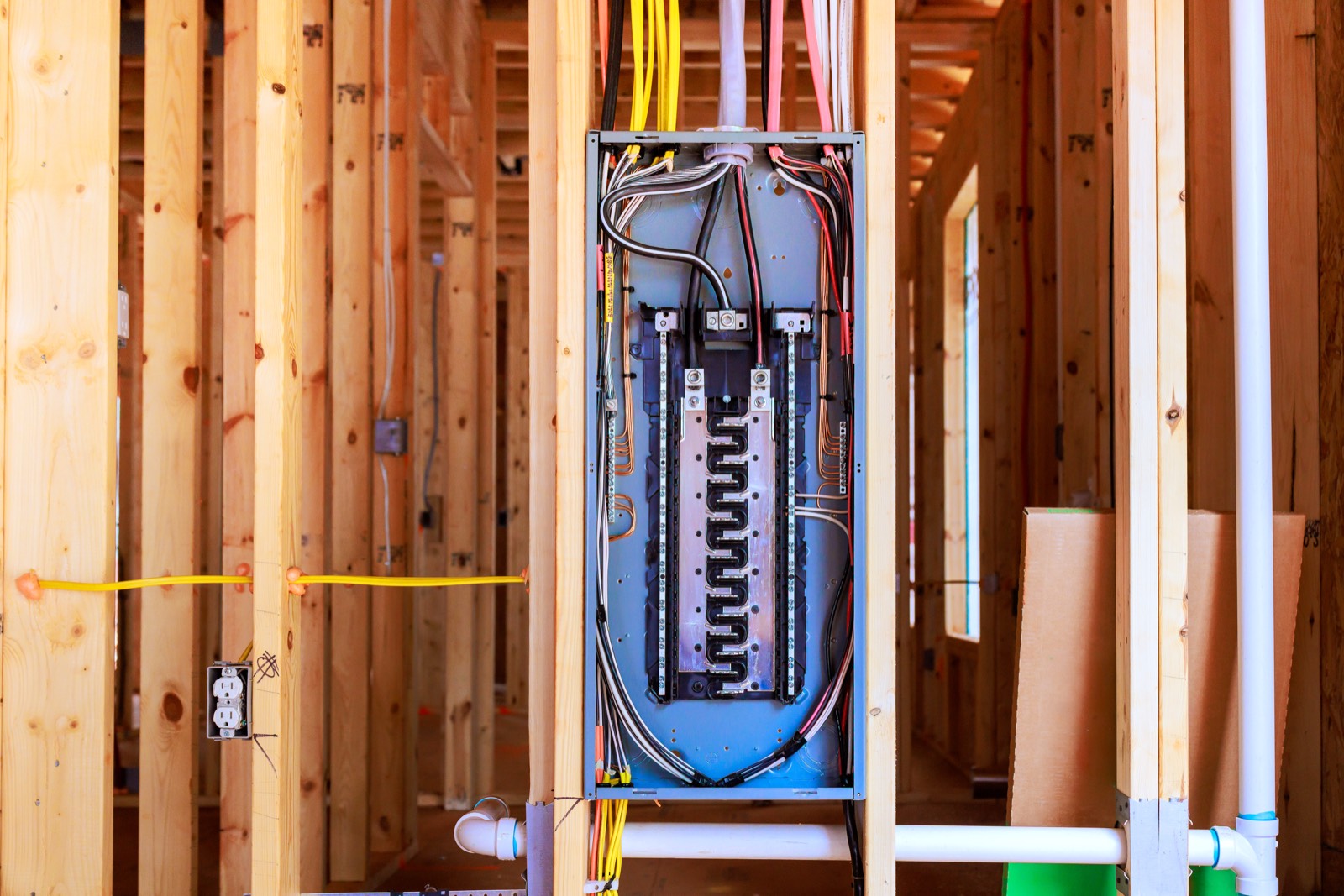
A buzzing breaker should be treated as a panel warning, not a background noise. A circuit breaker is a mechanical safety device clamped to a live bus bar. When it starts making a steady electrical buzz, something inside the breaker, at the bus connection, or on the circuit may be vibrating under load, heating, or arcing.
The safe first move is simple: do not remove the panel cover, do not press on the breaker, and do not keep resetting it to “see what happens.” If the sound is new, continuous, or tied to a heavy appliance, shut off that breaker if you can do it without touching anything damaged, then call a licensed electrician.
A brief hum can be normal, but continuous buzzing is a service call
A one-second hum when a motor starts is different from a breaker that buzzes for minutes. Breakers should generally be quiet. You may hear a short vibration when a compressor, vacuum, saw, or other motor load starts because inrush current is high for an instant. Some panels also transmit a faint mechanical hum from a transformer, doorbell, or nearby equipment that sounds like it is coming from the breaker area.
Continuous buzzing is the concern. If the breaker buzzes while a load is running, buzzes with no obvious appliance on, or changes pitch when you move nearby, the panel needs diagnosis. The sound can be caused by:
- Overload: too much current on the circuit, often from portable heaters, window air conditioners, microwaves, or multiple kitchen loads sharing one circuit.
- Loose breaker connection: the breaker may not be gripping the panel bus properly, which can create vibration, heat, and pitting at the contact point.
- Damaged breaker mechanism: the internal magnetic or thermal trip parts can weaken, chatter, or fail to hold correctly.
- Arcing inside the panel: a loose connection can create a small electrical arc that sounds like a buzz or crackle.
- Mismatched or poorly seated breaker: not every breaker fits every panel, even when it appears to clip in.
Use this quick guide:
| What you hear | What it usually means | What to do |
|---|---|---|
| Brief hum only when a motor starts | Momentary inrush current | Monitor it, but note which appliance caused it |
| Steady buzz while one appliance runs | Possible overload or failing breaker | Turn off the load and book service |
| Buzzing with a warm smell, flicker, or discolouration | Possible arcing or overheating | Turn off the breaker if safe and call urgently |
| Buzzing after the breaker trips or will not reset | Fault may still be present | Leave it off and read why a breaker will not reset |
Do not assume the noise is harmless because the breaker has not tripped. A breaker can carry current and still have a poor connection at the bus stab. That is one reason buzzing is handled as a panel inspection problem, not just a nuisance sound.
The three main causes are overload, a loose bus connection, or a failing breaker
The diagnosis starts by separating circuit problems from panel hardware problems. A breaker can buzz because the circuit is overloaded, because the breaker itself is defective, or because the connection between the breaker and the panel bus is no longer sound.
An overloaded circuit is common in older Toronto and GTA homes where one 15A kitchen, bedroom, or basement circuit has accumulated new devices over time. The breaker may hum under load before it trips, especially when a motor or heating element cycles. If the buzzing stops when you unplug a portable heater, microwave, dehumidifier, or window AC, the circuit is telling you it needs less load or a dedicated circuit.
A loose bus connection is more serious. The breaker clips onto the panel bus. If that connection is loose, corroded, pitted, or damaged from previous overheating, current can arc at the contact point. The cover of the panel may look normal from outside, but inside the breaker can be burning the bus. Replacing only the breaker may not fix it if the bus stab is damaged.
A damaged breaker can also buzz. Breakers age, get weakened by repeated trips, and can be harmed by moisture, heat, or improper installation. A breaker that chatters under normal load may not trip when it should. If the breaker also feels unusually warm, compare the symptoms with why a breaker feels hot, but do not open the panel yourself to investigate.
There are also load-specific patterns. If the buzzing appears only when a large appliance runs, the appliance circuit may be undersized, sharing with other loads, or developing a fault. For example, a dryer, air conditioner, oven, or EV charger can expose a weak breaker or connection because the load is high and sustained. If the noise is tied to a specific appliance trip, see the related guidance for a dryer tripping its breaker or an AC tripping its breaker, but buzzing at the panel still deserves a panel-side check.
Keep the panel closed and reduce the load until it is inspected
The safest homeowner action is to keep hands out of the panel interior. The dead-front cover hides live service parts. Even with a branch breaker turned off, the main lugs and bus can remain energized unless the utility disconnects or the service equipment is properly isolated. Removing the cover to “look for the buzz” is not a safe diagnostic step.
Do this instead:
- Turn off or unplug the appliance that seems to trigger the buzzing.
- If the breaker is clearly the source and it is safe to reach the handle, switch that breaker fully off.
- Leave the breaker off if it buzzes, smells hot, trips repeatedly, or will not reset normally.
- Do not tape a breaker on, hold it in place, or replace it with a larger breaker.
- Do not spray anything into the panel or tighten screws through the cover.
- Call for an inspection, especially if the sound is new, continuous, or coming from a main breaker or large 240V circuit.
A larger breaker is never a cure for buzzing. Breaker size is matched to the wire and equipment on that circuit. Installing a higher-amp breaker on wiring that is not rated for it can remove the circuit’s protection and create a fire risk. The correct fix might be load reduction, a new circuit, a compatible replacement breaker, repair of a damaged conductor termination, or a panel replacement.
If you are dealing with a main breaker, an older fuse-to-breaker conversion, a crowded panel, double-tapped breakers, corrosion, or scorch marks, the job may move beyond a single breaker repair. A 100A-to-200A service upgrade in the GTA is commonly quoted in the $3,200–$4,500 range including the ESA notification and inspection, but the right answer depends on the panel condition, utility requirements, and load calculation. Start with diagnosis, then decide whether a panel upgrade is actually needed.
City Power Electrical Services is a Licensed Electrical Contractor, ECRA/ESA #7015314, and Sam’s team can provide a written estimate after checking the panel, circuit load, and required ESA steps.
An electrical inspection checks the breaker, bus, load, and code issues around the panel
A proper inspection is not just listening for the noise. The electrician needs to identify whether the sound is load-related, connection-related, or equipment-related. That usually means testing with the load on and off, checking current draw, and inspecting the panel interior with the cover removed by a qualified person.
For a buzzing breaker, the inspection commonly includes:
- confirming the exact breaker and circuit involved;
- checking whether the load exceeds the circuit rating;
- looking for loose neutral, hot, and ground terminations;
- verifying the breaker is listed for that specific panel model;
- checking for bus bar pitting, corrosion, overheating, or weak contact tension;
- looking for double-tapped conductors where the breaker is not rated for them;
- confirming conductor size matches breaker size;
- checking AFCI or GFCI breaker behaviour where installed;
- using thermal scanning where useful to find abnormal heat under load;
- identifying whether ESA notification is required for the repair or replacement work.
A comprehensive home electrical safety inspection in the GTA typically costs $250–$400. For a buzzing breaker, that inspection gives you a written path: repair the circuit, replace a compatible breaker, correct terminations, add a dedicated circuit, or replace damaged service equipment. It also creates documentation if your insurer, buyer, landlord, or condo board asks how the issue was handled.
Where work is required, Ontario rules matter. Electrical work must comply with the Ontario Electrical Safety Code, and ESA notification and inspection are required for many panel and circuit changes. If the panel is in a condo, there may also be building rules about shutdowns, access, fire alarm systems, and work hours. If the utility is involved, Toronto Hydro, Alectra, Hydro One, or another local distributor may need to coordinate a service disconnect or reconnect.
Buzzing is one of those symptoms where waiting can make the repair larger. A loose breaker may start as a replaceable part, then damage the bus and turn into a panel replacement. If the sound is steady, the panel smells hot, lights flicker under load, or the breaker will not stay reset, treat it as urgent and keep the circuit off until it is checked. For more general electrical question pages, start at our electrical answers hub.
Want a licensed electrician to take a look?
Free written quote, usually the same day. ESA permits handled.
People also ask
Is it normal for a circuit breaker to hum a little?
A very brief hum when a large motor or compressor starts can happen, but a breaker should not buzz steadily. Continuous noise, a changing pitch, or a buzz tied to heat, smell, flickering, or tripping points to overload, a loose connection, or a failing breaker. Keep the panel closed and have it inspected.
Can a buzzing breaker cause a fire?
Yes, it can if the buzz is coming from arcing or a loose bus connection. The danger is that the breaker may still pass power while the contact point overheats. Turn off the affected circuit if you can do so safely, stop using the load, and have a licensed electrician open and test the panel.
Should I replace a buzzing breaker myself?
No. The breaker must be compatible with the exact panel, the conductor size must match the breaker rating, and the bus connection must be inspected for damage. If the bus is pitted or overheated, a new breaker may not solve the problem. Panel work can also require ESA notification in Ontario.
What if the buzzing stops after I turn off one appliance?
That suggests the appliance load may be stressing the circuit, but it does not prove the panel is safe. The circuit may be overloaded, sharing with other loads, or exposing a weak breaker connection. Leave the heavy load off until the circuit amperage, breaker condition, and wiring route are checked.