Answered by a licensed electrician
Why does my dryer trip the breaker?
Quick answer
A dryer usually trips its breaker because the 240V appliance or its dedicated circuit is drawing too much current, leaking current to ground, or overheating at a loose connection. Most full-size electric dryers are on a 30A 240V circuit, and a new heavier dedicated circuit typically runs $400–$900 depending on distance and access.
A dryer breaker that trips once may be a one-off overload. A breaker that trips again is a fault warning. Do not keep resetting it to “see what happens,” especially if the dryer plug, receptacle, cord, or breaker feels hot.
Electric dryers are one of the larger loads in a house. The heating element, motor, drum controls, and long run time all sit on a 240V circuit that should be sized to the dryer nameplate and installed as a dedicated branch circuit. When something is wrong, the breaker is often the first thing that tells you.
The most common cause is either a dryer fault or a 240V circuit fault
The breaker trips because it is seeing more current, heat, or fault current than it should. With dryers, the cause is usually in one of four places: the appliance, the breaker, the receptacle/cord connection, or the wiring between the panel and laundry area.
Common causes include:
- Heating element fault: An electric dryer element can sag, crack, or touch the metal heater housing. That can create a ground fault or short that trips the breaker when the heat cycle starts.
- Motor or start winding problem: If the drum motor is failing or struggling to start, the dryer can pull high current as the motor tries to turn.
- Loose terminal block: The cord connects to a terminal block at the back of the dryer. Loose screws, heat damage, or a missing strain relief can cause arcing and heat.
- Damaged dryer cord or receptacle: Burn marks, melted plastic, loose blades, or a plug that does not sit firmly in the receptacle are not normal.
- Weak or damaged breaker: Breakers can nuisance-trip when worn, overheated, corroded, or previously stressed by a loose connection.
- Undersized or incorrect wiring: A dryer must not be placed on a circuit that is too small for its load. Upsizing the breaker without confirming the wire size is dangerous.
A useful clue is when it trips. If it trips immediately when you press start, think short circuit, motor issue, cord fault, or breaker problem. If it runs for a few minutes and trips when heat comes on, the heating element or a heated loose connection becomes more likely. If it trips near the end of a cycle, heat build-up at the receptacle, breaker, or terminal block may be involved.
For circuit sizing basics, see what size breaker you need for a dryer. The breaker size must match the dryer and the installed wire, not the other way around.
Stop using it if the breaker, plug, cord, or receptacle is hot
A warm laundry room is normal. A hot electrical connection is not. If you feel heat at the breaker handle, smell melting plastic, see discolouration, hear crackling, or notice the dryer plug is hot to the touch, stop using the dryer and leave the breaker off.
A dryer receptacle can overheat because of a loose spring contact inside the outlet, a loose conductor on the device, a damaged cord cap, or a bad connection at the dryer’s terminal block. Once the metal has overheated, it can lose tension and keep getting worse even after the immediate cause is corrected.
Do not solve this by:
- replacing a 30A breaker with a larger breaker;
- filing or bending plug blades;
- using an adapter to make an old receptacle fit a newer dryer cord;
- plugging the dryer into any extension cord;
- resetting the breaker repeatedly after a hot-plug event.
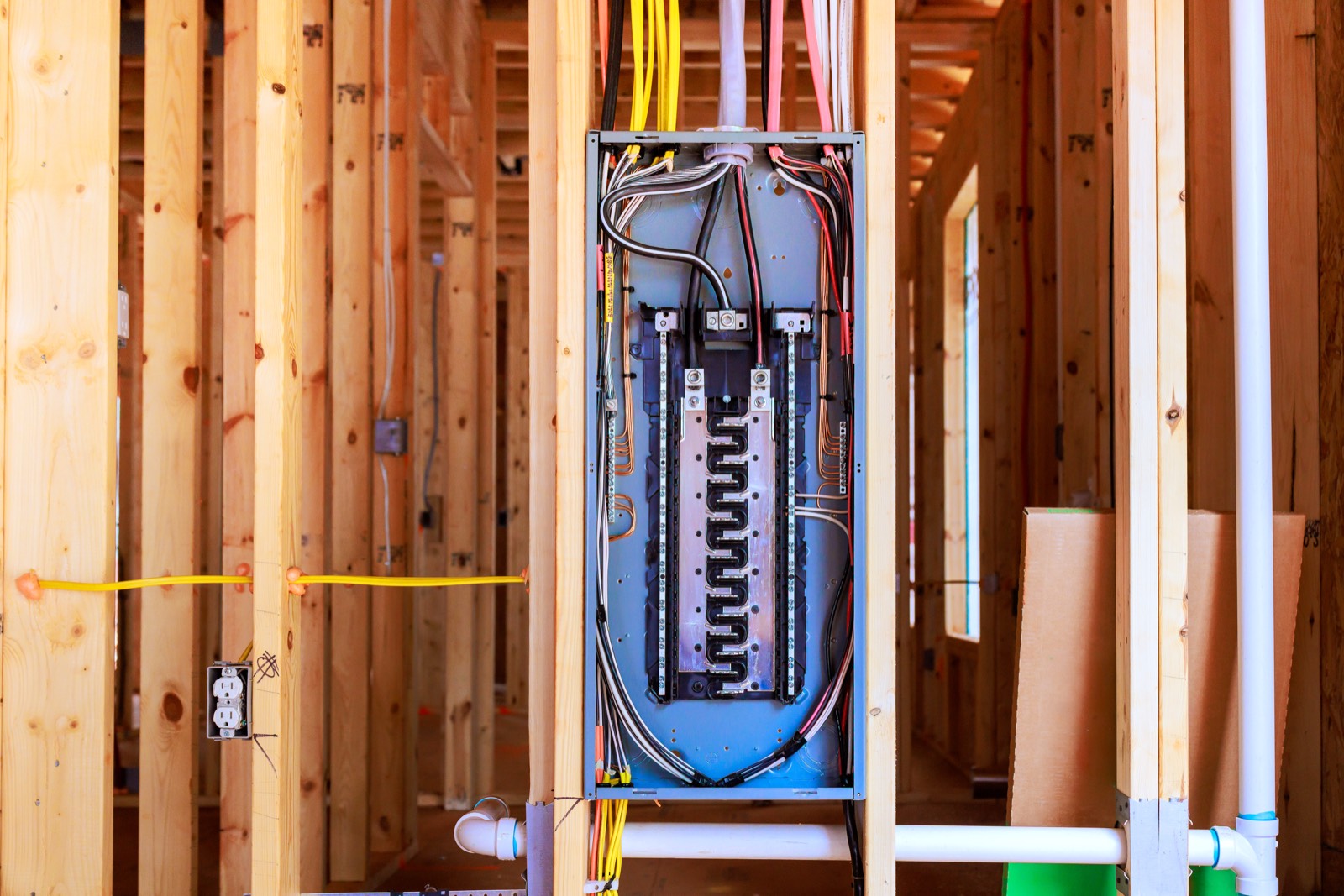
The inspection should include both ends of the circuit. At the panel, the electrician checks the breaker fit, conductor size, termination torque, signs of heat, and whether the breaker is suitable for that panel. At the laundry end, the receptacle is opened and checked for conductor damage, loose terminations, overheating, grounding/bonding issues, and whether the outlet type matches the dryer cord.
Modern dryer installations are commonly 4-wire 240V receptacles, often a 14-30 style for a 30A dryer circuit. Some older homes still have older 3-slot dryer outlets. That does not automatically tell you the circuit is safe or unsafe, but it does mean the wiring method, dryer cord, bonding strap, and grounding path need to be checked carefully before changing anything.
If the breaker itself is making noise, that is a different warning sign; see why a breaker is buzzing.
A proper diagnosis separates the dryer from the house wiring
The right repair depends on proving where the fault is. Guessing can waste money and leave the dangerous part untouched.
A dryer diagnosis usually follows a sequence:
| Check | What it can reveal |
|---|---|
| Breaker and panel inspection | Loose breaker, heat marks, incorrect breaker type, conductor damage |
| Voltage test at receptacle | Missing leg, unstable 240V supply, neutral/ground issue on 4-wire circuits |
| Receptacle and cord inspection | Burned contacts, loose blades, overheated cord cap, wrong cord type |
| Dryer terminal block inspection | Loose lugs, melted block, missing strain relief, bonding error |
| Load test while running | High current on heat cycle, motor start problem, intermittent trip |
| Insulation/continuity tests | Heating element touching the housing or internal appliance short |
This is where dryer calls differ from small-appliance trips. A microwave or dishwasher trip is usually on a 120V branch circuit; a dryer is a 240V load with higher current and more heat at the connections. If you are comparing symptoms, the pages on microwaves tripping breakers and dishwashers tripping breakers explain those appliance-specific patterns.
If the dryer trips only when the heat is selected, the appliance technician may need to test the heating element and internal wiring. If the receptacle is burned, the breaker is damaged, the circuit is undersized, or the wiring has no proper grounding path, the electrical repair comes first. In some cases both trades are involved: the electrician makes the circuit safe, and the appliance technician repairs the dryer.
One important detail: a clogged vent usually causes poor drying or overheating inside the appliance, but it should not be assumed to be the only reason a breaker trips. Clean the lint screen and confirm the vent is not blocked, but do not ignore an electrical trip because the dryer is “just working too hard.”
If the circuit is wrong or damaged, the fix may be a dedicated dryer circuit
The safe fix may be a new dedicated 240V dryer circuit, a corrected receptacle, a breaker replacement, or repair of damaged wiring. It depends on the existing installation and the dryer’s nameplate requirements.
A dryer circuit should not be shared with lights, receptacles, laundry equipment, or a washer. It should run from the panel to the dryer outlet with the correct cable type, conductor size, breaker, receptacle, box, cover, and grounding arrangement. If the laundry area has been moved, renovated, or converted from a gas dryer to an electric dryer, the existing wiring often needs a closer look.
Call an electrician if:
- the breaker trips more than once;
- the dryer plug or receptacle is hot;
- the receptacle is cracked, loose, discoloured, or buzzing;
- the breaker is a different size than the dryer manual calls for;
- the dryer is on an adapter, extension cord, or questionable old outlet;
- the panel has no spare capacity or the circuit route is unclear;
- the dryer was recently replaced and the tripping started afterward.
For cost planning, a new 30A dryer run usually falls into the heavier dedicated-circuit category. In the GTA, those 30A–50A circuits commonly cost $400–$900, with the final price depending on panel location, distance to the laundry area, finished walls, and whether the route needs fishing through ceilings or basements. If the panel is full, damaged, or too small for the added load, that changes the scope and should be quoted in writing after a site visit.
In Ontario, new dryer circuits and material changes to the electrical installation may require an ESA notification and inspection. City Power Electrical Services, ECRA/ESA #7015314, provides free written estimates in Toronto and the GTA and files ESA notifications where required.
If the existing circuit is unsafe or missing, start with dedicated circuit installation rather than trying to make the dryer work on wiring that was never meant for it. For more troubleshooting questions by appliance or symptom, the electrical answers hub groups related breaker problems in one place.
Want a licensed electrician to take a look?
Free written quote, usually the same day. ESA permits handled.
People also ask
Can I keep resetting the dryer breaker?
No. Resetting once after checking that the dryer, plug, and breaker are not hot may be reasonable. If it trips again, leave it off. Repeated resets can worsen a loose connection, overheat the receptacle, or mask an appliance short. A dryer is a high-load 240V appliance, so repeated tripping needs diagnosis.
Is the dryer or the breaker more likely to be the problem?
Both are common. If the breaker trips as soon as the heat cycle starts, the dryer’s heating element or internal wiring is a strong suspect. If the plug, receptacle, or breaker feels hot, the circuit connection may be the problem. A weak breaker is possible, but it should not be replaced until the load and wiring are checked.
What size breaker should an electric dryer have?
Many full-size electric dryers use a 30A 240V dedicated circuit, but the correct answer is the dryer nameplate and installation manual matched to the installed wire. Do not install a larger breaker just because the 30A breaker trips. The breaker protects the wire, and oversizing it can create a fire hazard.
Does a dryer need its own circuit?
Yes, an electric dryer should be on its own dedicated 240V circuit sized for that appliance. It should not share a circuit with a washer, laundry receptacles, lights, or other loads. If a renovation moved the laundry area or changed from gas to electric, the circuit should be verified before the dryer is used.