Answered by a licensed electrician
Why does my furnace trip breaker?
Quick answer
A furnace breaker usually trips because the blower motor is overloading, a hot wire is shorting to the metal cabinet, the furnace is sharing a circuit, or the breaker is failing. If the furnace needs its own new circuit, a typical 20A dedicated circuit from the panel costs $250–$500 depending on distance and access.
A furnace that trips its breaker is not just an inconvenience. In winter it can become a heat-loss emergency, and repeated resets can damage equipment or hide a fault that needs repair.
Start by noting when the breaker trips: immediately on reset, only when the blower starts, after several minutes of running, or when another device turns on. That timing tells you whether the likely problem is inside the furnace, in the circuit, or in the panel.
If it trips when the blower starts, the furnace motor or fan load is the first suspect
A breaker that trips as the blower ramps up is often reacting to motor load. The blower is the large fan that pushes heated air through the ductwork. If it draws too much current, the breaker opens to protect the wiring.
Common furnace-side causes include:
- A failing blower motor with worn bearings or damaged windings
- A weak run capacitor on a PSC-style blower motor
- An ECM blower module fault on newer high-efficiency furnaces
- A blower wheel packed with dust or rubbing the housing
- A severely restricted filter or return-air path making the blower work harder
- An inducer motor or humidifier connected to the furnace circuit adding extra load
This is where the line between HVAC and electrical matters. If the breaker holds until the thermostat calls for heat and the blower or inducer starts, the HVAC technician should inspect the motor, capacitor, control board, filter, and fan assembly. The electrical circuit may be fine; the furnace may simply be pulling more current than it should.
Do not keep resetting the breaker to “get one more cycle.” A motor that is overheating or locked can trip, cool down, reset, and trip again. That pattern can burn a motor winding, damage a control board, or leave you without heat later in the night.
If the HVAC technician confirms the furnace equipment is healthy but the breaker still trips, then call a licensed electrician to test the branch circuit, breaker, connections, and panel. We handle the electrical side, including dedicated furnace and mechanical equipment circuits where the existing wiring is overloaded or incorrectly shared.
If it trips instantly, treat it like a short circuit until proven otherwise
A breaker that snaps off immediately, before the furnace even has time to run, usually points to a short circuit or ground fault. That means current is taking a path it should not take, such as a hot conductor touching metal, a damaged cable, or a failed component connected across the circuit.
In a furnace area, we often look for very specific failure points:
| Symptom | Likely area to inspect | Who usually fixes it |
|---|---|---|
| Breaker trips immediately when reset | Short in branch wiring, furnace disconnect, or furnace cabinet wiring | Electrician first if the furnace is not safely energizing |
| Breaker trips when thermostat calls for heat | Inducer motor, igniter, control board, transformer, or blower | HVAC first |
| Breaker trips when humidifier runs | Humidifier transformer, solenoid, or wiring tied into furnace | HVAC or electrician depending on wiring location |
| Breaker trips after water appears near furnace | Condensate pump, drain backup, wet junction box, or wet control wiring | HVAC for water source, electrician for electrical damage |
| Breaker will not stay reset even with furnace switch off | Panel breaker, branch circuit, or wiring before the furnace switch | Electrician |
A gas furnace is still an electrical appliance. It has a 120 V supply, a service switch or disconnect, internal line-voltage wiring, a transformer for low-voltage controls, and multiple loads that start in sequence. A short can be in the house wiring feeding the furnace, in the furnace junction box, or inside the furnace cabinet.
If the breaker trips instantly and will not stay on, leave it off. Do not tape it, hold it, or replace it with a larger breaker. The breaker size protects the wire in the wall; oversizing it can turn a repairable fault into overheated wiring.
If the breaker will not reset at all, the next step is similar to any dead-short diagnosis: isolate the load, test the circuit, and find the fault instead of guessing. For the panel-side version of that problem, see why a breaker will not reset.
If it shares a circuit, the furnace may be tripping because too much is on one breaker
A furnace should not be competing with basement receptacles, a freezer, a dehumidifier, a treadmill, holiday lights, or a condensate pump added later without checking the circuit. Even if the furnace itself is healthy, the breaker can trip when another load starts at the same time.
This is common in older Toronto and GTA basements where the furnace area became a storage room, workshop, laundry zone, or finished rec room over time. One breaker that once fed only the furnace room may now feed receptacles, lights, a central vacuum outlet, a chest freezer, and plug-in equipment.
Signs of a shared-circuit problem include:
- The furnace runs normally until someone uses another basement outlet
- The trip happens when a freezer, sump pump, or dehumidifier starts
- The furnace breaker also kills nearby lights or receptacles
- A power bar or extension cord is being used near the furnace
- A condensate pump or humidifier was added after the furnace installation
This is a different problem from a bad furnace motor. The cure is not a larger breaker. The cure is usually load separation: put the furnace on a proper branch circuit, move unrelated receptacles to another circuit, or add a new circuit for the equipment that should not be sharing.
For comparison, other motor loads behave the same way when they share a circuit or start under load. A basement sump pump that trips a breaker or an outdoor AC unit that trips a breaker may have different equipment, but the electrical principle is the same: starting current plus other loads can push a marginal circuit over the limit.
If a new furnace circuit is needed, the work requires proper cable sizing, breaker selection, routing, labelling, and ESA notification where required. A typical 20A dedicated circuit from the panel is usually in the $250–$500 range, with the final price depending on the panel location, ceiling access, finished walls, and whether the route is open.
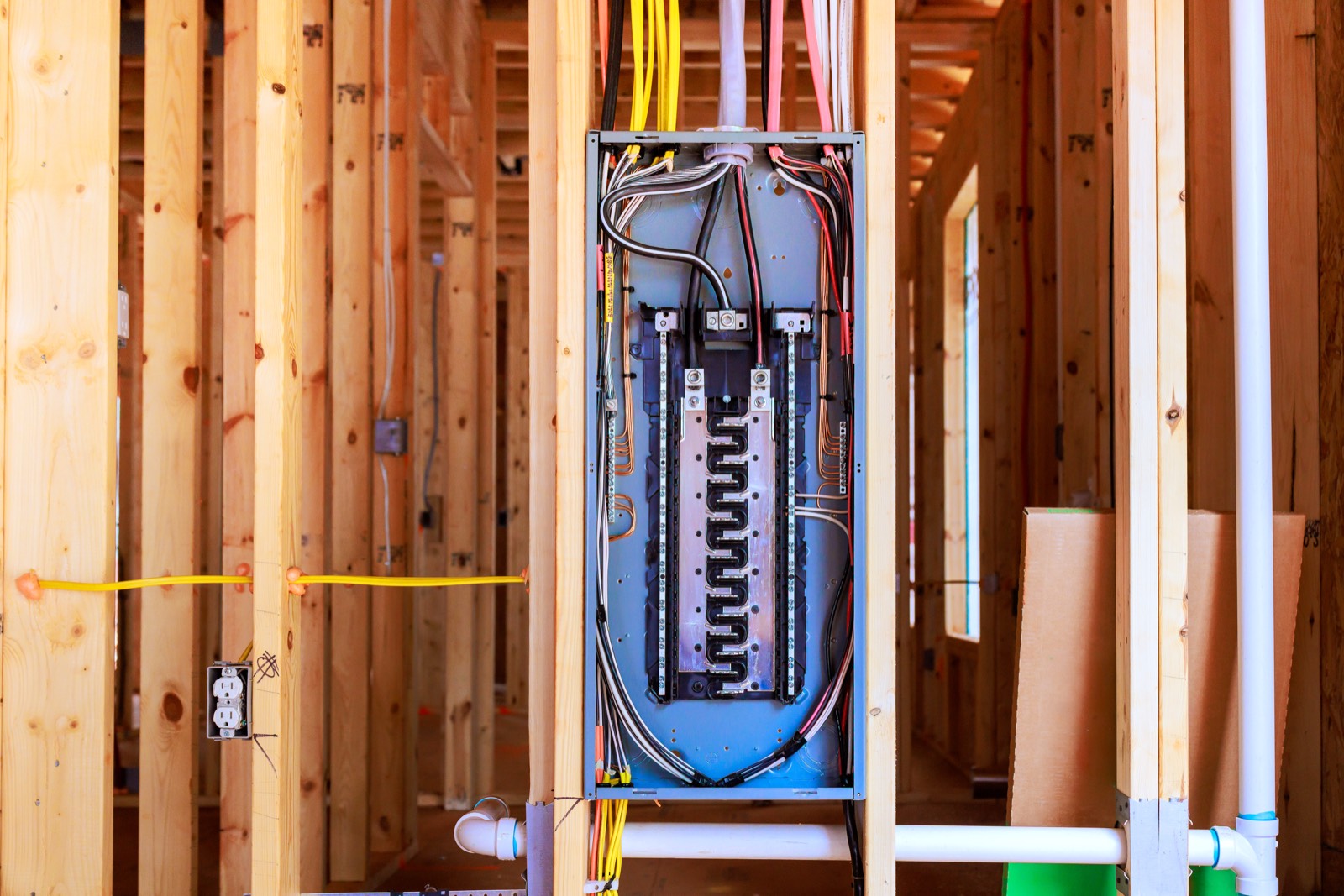
If the breaker is weak, loose, or mismatched, the panel side needs diagnosis
A breaker can fail, especially if it has been tripping repeatedly, running hot, or sitting in an older panel with loose connections. A weak breaker may trip below its rating. A loose breaker connection can create heat. A mismatched breaker that does not belong in the panel can create unreliable contact.
Panel-side clues include:
- The breaker feels different from others when reset
- The furnace trips even after HVAC finds no equipment fault
- The breaker trips with the furnace disconnected by a qualified person
- There are scorch marks, a burnt smell, or discolouration near the breaker
- The panel makes noise when the furnace starts
Do not ignore noise or heat at the panel. If the breaker is buzzing, sizzling, or arcing, stop resetting it and read why a breaker is buzzing for the immediate safety steps.
A licensed electrician will not simply swap the breaker and leave. The diagnosis should check:
- The breaker brand and type against the panel labelling
- The conductor size and insulation condition
- Terminal torque and signs of overheating
- Whether the furnace circuit neutral and ground are correctly terminated
- Whether the furnace load is actually on the breaker you think it is
- Whether any junction boxes between panel and furnace are accessible and sound
In Ontario, electrical repairs and new circuits must be done under the rules that apply to the work, with ESA notification and inspection where required. City Power Electrical Services is a Licensed Electrical Contractor, ECRA/ESA #7015314, and when we add or correct a furnace circuit we quote it in writing, permit it where required, and clean up after the work.
Call HVAC for furnace parts; call an electrician for wiring, breakers, and lost-heat electrical faults
The fastest path is to call the trade that matches the timing of the trip. If the furnace trips only when a furnace component starts, call HVAC first. If the breaker trips instantly, will not reset, affects other outlets, or shows panel symptoms, call a licensed electrician.
Use this rule of thumb:
- Call HVAC when the trip follows the inducer, igniter, blower, humidifier, condensate pump, or thermostat sequence.
- Call an electrician when the breaker trips instantly, the circuit is shared, the breaker or panel is suspect, or the furnace needs a dedicated circuit.
- Call both when water, corrosion, repeated trips, or a replaced furnace still leaves the breaker tripping.
If heat is lost in cold weather, treat it as urgent. Turn the thermostat down, leave the tripped breaker off if it trips again, and arrange service before the house cools further. Vulnerable occupants, frozen-pipe risk, and overnight temperatures make this a priority repair, not a wait-and-see issue.
For more appliance-specific breaker patterns, the electrical answers hub has related troubleshooting pages, including heating, cooling, pumps, and major appliances. But for a furnace, the key point is simple: identify whether the furnace is overloading the circuit, the circuit is overloaded by other loads, or the breaker/panel is failing. Then repair the actual cause instead of repeatedly resetting the breaker.
Want a licensed electrician to take a look?
Free written quote, usually the same day. ESA permits handled.
People also ask
Can I reset the furnace breaker once?
You can reset it once if there is no burning smell, buzzing, water, or visible damage. If it trips again, leave it off and call for service. Repeated resetting can overheat a motor, worsen a short circuit, or mask a panel problem that needs proper testing.
Does a gas furnace need electricity?
Yes. A gas furnace still needs electricity for the blower motor, inducer motor, ignition system, control board, thermostat transformer, safety controls, and sometimes a humidifier or condensate pump. That is why a gas furnace can stop heating when a breaker trips even though the fuel is gas.
Should my furnace be on its own breaker?
In practice, a furnace should not share with general basement outlets or plug-in loads that can trip the heat off. If your furnace breaker also controls receptacles, lights, a freezer, or a dehumidifier, have an electrician assess whether a dedicated circuit is needed.
Why does the furnace run for a while and then trip the breaker?
A delayed trip often points to heat buildup or load over time: a blower motor drawing too much current, a restricted filter, a failing capacitor, loose electrical connections, or a weak breaker. The timing matters, so note whether it trips after the blower starts, after a full heat cycle, or when another device turns on.