Answered by a licensed electrician
What is the Ontario ULO rate?
Quick answer
The Ontario ULO rate is an optional electricity pricing plan with a very low overnight window, commonly used for EV charging from 11 p.m. to 7 a.m. It is not a special charger or rebate. For context, a GTA Level 2 home charger installation often lands between $1,500 and $3,000 all-in, depending on panel capacity and wire route.
The Ontario ULO rate is an optional price plan for shifting electricity use overnight
The Ontario ULO rate, short for ultra-low overnight, is an electricity pricing option for customers who can move a large share of their usage into the late-night period. It is especially useful for EV owners because a car can be scheduled to charge while the house is asleep.
The important idea is simple: ULO gives you a lower overnight energy price, but the trade-off is that some daytime and early-evening hours cost more than on a standard time-of-use plan. It is a billing choice, not a different electrical service, not a rebate, and not a requirement for owning an EV.
Ontario rate plans are set through the Ontario Energy Board and then shown on bills by your local hydro distributor. Toronto Hydro, Alectra, Hydro One, Oakville Hydro, Burlington Hydro, Oshawa Power, Elexicon and other local distributors may label or display the rate periods a little differently, so always confirm the current cents-per-kWh on your distributor’s rate card before switching.
The overnight window commonly associated with ULO is 11 p.m. to 7 a.m. That is why it lines up so well with home EV charging. A charger or vehicle app can start charging after 11 p.m., stop before the morning window closes, and avoid the higher evening period when cooking, laundry, HVAC and entertainment loads are also active.
If you are researching ULO because you just bought an EV, start with the bigger picture: how much it costs to charge an EV at home in Ontario depends on the rate plan, the vehicle battery size, how much you drive, and whether you can reliably charge overnight.
ULO can work very well for EVs, but only if the car actually charges overnight
ULO is most useful when your EV, water heating, dishwasher, laundry or other flexible loads can be moved away from the expensive evening hours. For many households, the EV is the largest flexible load because it can sit plugged in for hours and still be ready by morning.
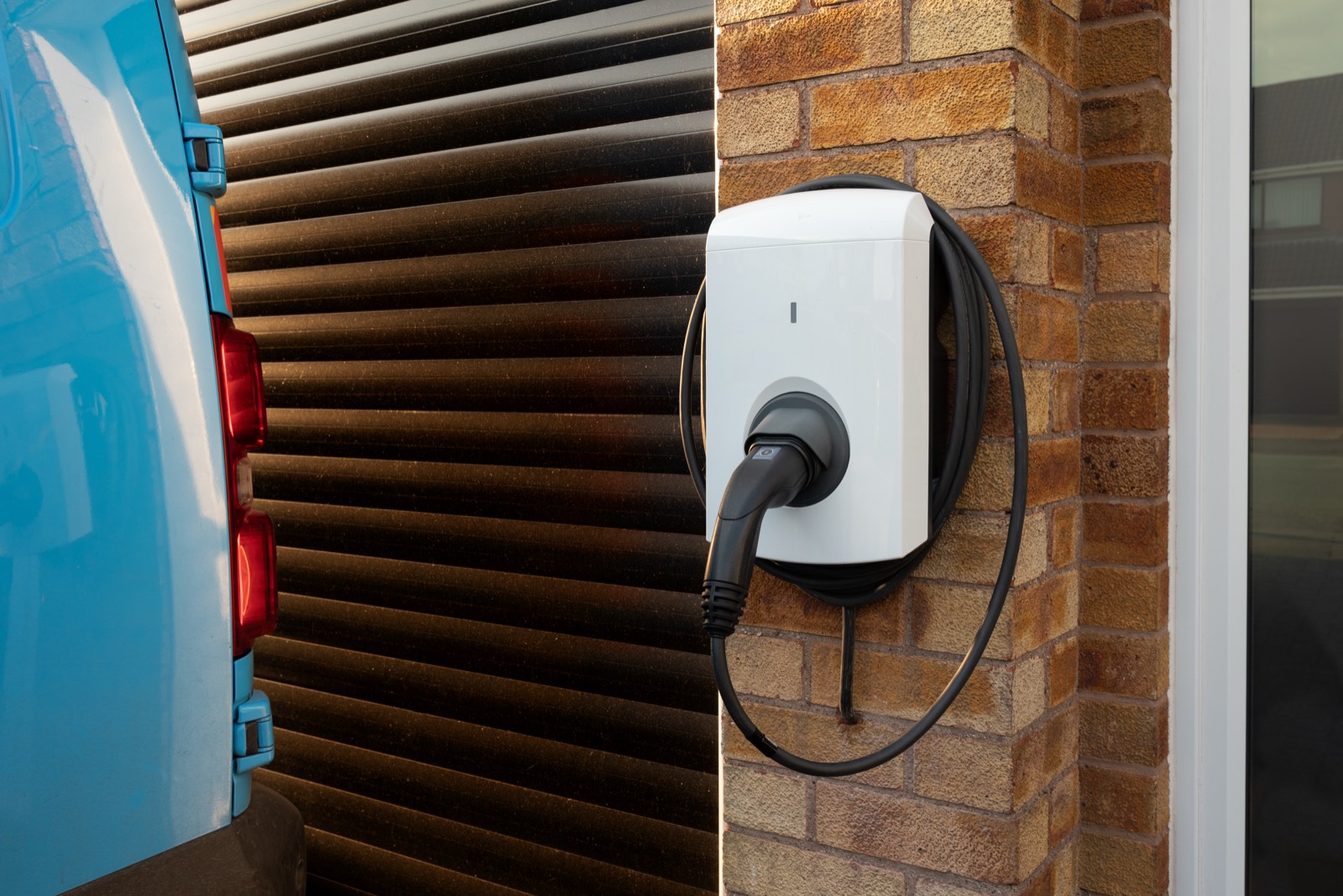
A Level 2 charger makes that practical. A standard 120V cord may add range slowly enough that the vehicle needs to charge during more expensive periods. A properly installed 240V Level 2 charger can usually deliver the same daily energy in a shorter overnight window, depending on the vehicle, charger amperage and battery state.
Most homeowners installing a Level 2 charger in the GTA end up in the $1,500–$3,000 all-in range. A simple installation, with the panel close by and capacity available, is less involved. Longer cable routes, finished ceilings, detached garages, trenching, or a tight panel load calculation can push the work higher or require load management.
A good ULO setup normally includes:
- A charger or vehicle app schedule set to the overnight period.
- A dedicated 240V EV circuit sized to the charger output.
- A load calculation so the panel is not overloaded when the EV, range, dryer, heat pump or hot tub run.
- ESA notification and inspection for the new circuit where required.
- Weather-rated equipment if the charger is installed outdoors.
If you are still deciding where the charger should go, see our EV charger installation service. The electrical route matters: the cheapest wall is not always the best wall if it creates a long, visible cable run or forces a panel upgrade.
ULO is different from regular time-of-use because the trade-off is sharper
ULO is not simply a better version of time-of-use; it is a more specialized plan. Regular time-of-use pricing spreads the day into lower and higher periods. ULO creates a much cheaper overnight period, but it typically makes the early-evening period more expensive.
That means the right choice depends on your habits. If your home is busy from late afternoon into the evening, with cooking, laundry, electric heat, air conditioning and EV charging all happening together, ULO may punish that pattern. If you can push the EV and other flexible loads later, ULO can make sense.
| Plan idea | Best fit | Watch out for |
|---|---|---|
| Tiered pricing | Homes that use modest electricity and do not want to schedule around the clock | Less benefit for large overnight EV charging |
| Time-of-use | Homes that can avoid some peak use but still need flexibility | EV charging may still land partly outside the cheapest periods |
| ULO | EV owners and shift-friendly households that can use the overnight window | Higher-cost evening use can erase the benefit |
Do not judge ULO from one day of driving. Look at a full billing cycle, or better, a few months that include heating or cooling season. A household with electric heat, a heat pump, a pool pump, a basement apartment, or a home office may have a very different load shape than a household whose main extra load is an EV.
For a more EV-focused breakdown, read our guide to ULO rate EV charging in the GTA.
The electrical work is still governed by the OESC and ESA, regardless of the rate plan
Changing to ULO does not change the Ontario Electrical Safety Code requirements for the charger circuit. The rate plan is a billing decision; the charger installation is electrical work. If a new circuit, breaker, disconnect, load-management device or hardwired EVSE is installed, the work has to be done correctly and an ESA notification is required where the rules call for it.
On an EV charger job, the technical review is not just whether the charger turns on. The electrician has to confirm the existing panel can carry the calculated load, that the breaker matches the charger output, that the conductor size and installation method are correct, and that outdoor equipment is rated for the location. In a garage, the installation also has to consider physical damage, cable routing and where the vehicle actually parks.
Common ULO-related mistakes are electrical and practical:
- Installing a charger at a higher amperage than the panel can support.
- Forgetting that EV charging is a long-duration load, not a quick appliance cycle.
- Using a plug-in receptacle where a hardwired unit would be cleaner and more secure.
- Setting the vehicle schedule in the car but leaving the charger schedule active too, causing missed charging windows.
- Assuming the bill will drop without changing laundry, dishwasher or charging habits.
If you are unsure what work needs notification, read when electrical work needs a permit in Ontario. City Power Electrical Services is an ECRA/ESA Licensed Electrical Contractor, licence #7015314, and quotes EV charger work in writing after checking the panel, route and charger location.
Check the current OEB and utility rate card before you switch
You should verify the current ULO cents-per-kWh before making a decision because Ontario electricity prices and effective dates change. The safest source is the current Ontario Energy Board rate information and the rate card from your own local distributor.
This matters because the electricity line on your bill is only part of the bill. Delivery, regulatory, fixed monthly and other charges still appear. ULO changes the energy pricing periods; it does not make the rest of the bill disappear. Your local distributor may also show the plan comparison, enrolment process and effective switch date differently.
Before switching, gather three things:
- Your current hydro bill and rate plan.
- Your EV model, expected weekly kilometres and typical plug-in time.
- Your main panel size, available breaker space and any large loads such as electric heat, hot tub, range, dryer, pool equipment or a second suite.
Then decide whether the electrical setup lets you use the plan properly. If the EV cannot receive enough charge between 11 p.m. and 7 a.m., the rate plan alone will not solve the problem. In that case, a Level 2 charger, load-management device, or panel upgrade may be the missing piece.
If you are comparing ULO with backup power or storing cheap overnight energy, the economics are different. A home battery can shift energy use, but it is a much larger investment than a charger; start with whether a home battery is worth it in Ontario before assuming it belongs in the same decision as a rate-plan switch.
Want a licensed electrician to take a look?
Free written quote, usually the same day. ESA permits handled.
People also ask
Is the Ontario ULO rate only for EV owners?
No. ULO is an electricity pricing option, not an EV-only program. EV owners are a strong fit because charging can be scheduled overnight, but any household with shiftable loads may consider it. The plan works best when high-use appliances can avoid the more expensive evening period.
Do I need a Level 2 charger to benefit from ULO?
You do not strictly need one, but a Level 2 charger makes ULO far more practical for many drivers. A 120V cord may not add enough energy during the overnight window. A typical GTA Level 2 installation often falls between $1,500 and $3,000 all-in, depending on distance, capacity and site conditions.
Will Toronto Hydro, Alectra and Hydro One charge the same ULO rate?
The Ontario rate structure comes through the provincial rate-setting process, but each local distributor presents billing, enrolment and rate-card information in its own format. Toronto Hydro, Alectra, Hydro One and other utilities may show the same plan differently, so check your own distributor’s current rate card before switching.
Does switching to ULO require an ESA inspection?
Switching the electricity price plan does not require an ESA inspection by itself. Installing a new EV charger circuit, hardwired charger, load-management device or panel work is different. That electrical work may require an ESA notification and inspection, and it should be done by a licensed electrical contractor.