Answered by a licensed electrician
What is an arc-fault breaker?
Quick answer
An arc-fault breaker, or AFCI, is a circuit breaker that shuts power off when it detects dangerous sparking patterns in wiring, cords, or devices. In Ontario renovations, many new or extended dwelling receptacle circuits require AFCI protection under the OESC; if the panel itself needs upgrading, a 100A-to-200A upgrade typically costs $3,200–$4,500 in the GTA.
An arc-fault breaker is a fire-protection breaker, not just an overload breaker.
A standard breaker trips when a circuit draws too much current. An arc-fault circuit interrupter, usually called an AFCI breaker, also watches the electrical waveform for arcing: tiny, high-temperature sparks caused by a damaged conductor, a loose connection, a pinched cable, or a failing cord.
That matters because an arc can be hot enough to ignite wood dust, insulation, paper, or framing material while still drawing less current than the breaker’s normal trip rating. In plain language: a 15-amp breaker may not trip if a damaged wire is sparking at a lower current, but an AFCI is designed to recognize that dangerous pattern and shut the circuit down.
You can usually spot an AFCI breaker by:
- A TEST button on the face of the breaker
- Labelling such as AFCI, CAFCI, Combination Arc Fault, or Arc Fault Circuit Interrupter
- A white neutral pigtail or plug-on neutral connection, depending on the panel design
- A breaker handle that may show a trip indicator or fault code, depending on the brand
“Combination” does not mean AFCI plus GFCI. It means the breaker detects more than one arcing pattern, including arcing in series with a load and arcing between conductors. Some breakers are dual-function AFCI/GFCI, but they are labelled that way and serve a different purpose.
AFCI protection is most commonly noticed during renovations, basement finishing, additions, and panel work because the new breaker looks different from older breakers. If you are opening walls, adding receptacles, extending bedroom or living-area circuits, or replacing an old panel, AFCI protection often becomes part of making the new work code-compliant.
AFCI and GFCI protect against different hazards.
AFCI protection is mainly about reducing fire risk from arcing. GFCI protection is mainly about reducing shock risk from current leaking to ground, especially around water, concrete, outdoors, and damp locations.
Here is the practical difference:
| Device | What it looks for | Main hazard reduced | Common locations |
|---|---|---|---|
| AFCI breaker | Arcing signatures in the circuit | Electrical fire from damaged wiring or loose connections | Many dwelling receptacle circuits, especially new or renovated areas |
| GFCI breaker or receptacle | Current leaving on hot but not returning on neutral | Shock or electrocution | Bathrooms, kitchens, outdoors, garages, unfinished basements, laundry areas |
| Dual-function breaker | Both arc fault and ground fault conditions | Fire and shock protection | Circuits where both protections are required or preferred |
A simple example: if a screw goes through a cable behind drywall and the conductor starts sparking, AFCI protection is the device meant to detect that kind of fault. If a hair dryer falls toward a wet sink and current leaks through a person or water path, GFCI protection is the device meant to react.
This is why replacing one with the other is not a solution. A GFCI receptacle does not provide arc-fault protection for the whole branch circuit. An AFCI breaker does not replace the need for GFCI protection where the Ontario Electrical Safety Code requires it. In some rooms and circuit designs, both types of protection may be needed.
If a breaker is making noise, feels unusually warm, or will not reset, that is a troubleshooting issue rather than a definition issue. See our separate guides on why a breaker is buzzing, why a breaker will not reset, and why a breaker feels hot for those symptoms.
Renovations and new circuits may need AFCI protection because new work must meet the current OESC.
In Ontario, the trigger is usually new electrical work, not the age of the house by itself. When a renovation adds, extends, or substantially changes dwelling-unit branch circuits, the new work must be designed to the current Ontario Electrical Safety Code. For many 125-volt, 15- and 20-amp receptacle circuits in homes, that can mean arc-fault protection, subject to the code’s current exceptions and the exact circuit use.
This comes up often in:
- Basement finishing with new bedroom, rec room, office, or hallway receptacles
- Main-floor renovations where walls are opened and circuits are extended
- Adding receptacles to older bedrooms or living rooms
- Replacing a fuse panel or obsolete breaker panel during a larger renovation
- Converting old multi-wire branch circuits where the neutral is shared
- Adding a sub-panel for new finished space
The important point is that an AFCI requirement is not about whether the old circuit “worked fine.” It is about whether the new installation is being altered enough that current code applies. Older circuits may be allowed to remain in some situations, but once you extend them, relocate them, or add new outlets, the work may need to be upgraded to the current rule.
ESA notification is also part of the process when required. The inspector is not just looking for the AFCI label. They may check that the breaker is approved for that exact panel, that neutrals are landed correctly, that shared neutrals are handled with the proper breaker type, that boxes are accessible, and that the cable routing and protection match the work performed.
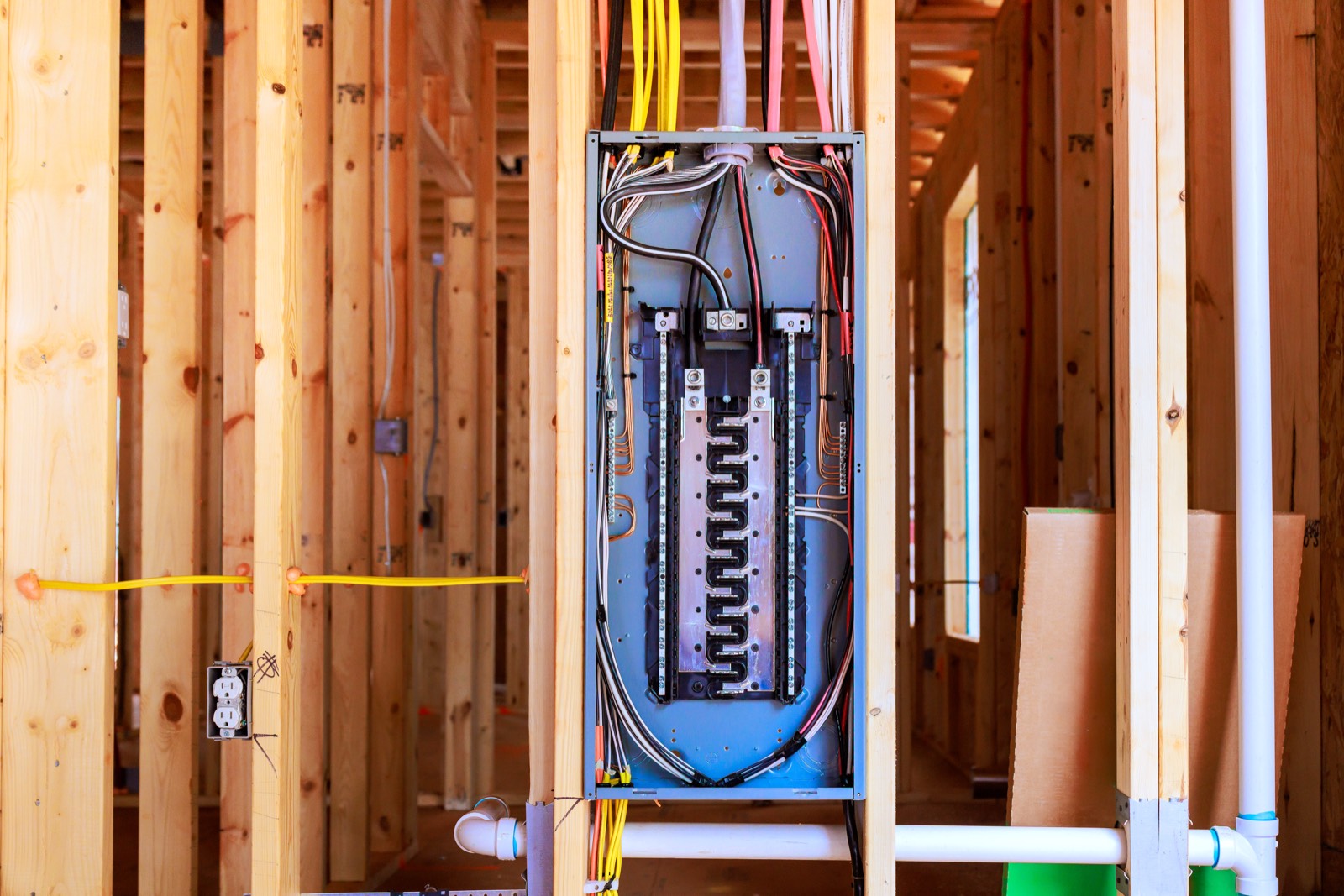
This is where panel compatibility matters. You cannot install just any AFCI breaker in just any panel. Breakers are listed for specific panel makes and models. Mixing brands because “it fits” can create heat, poor bus contact, nuisance tripping, or an inspection defect. On some older panels, there may be no approved AFCI breaker available, or there may not be enough physical space to add the required devices cleanly. In those cases, a panel upgrade may be the safer and cleaner route.
City Power Electrical Services is a Licensed Electrical Contractor, ECRA/ESA #7015314, and for Toronto and GTA panel or renovation work we file ESA notifications where required and give written estimates before the work begins.
An AFCI trip does not always mean the breaker is defective.
AFCI breakers are sensitive because they are looking for electrical signatures, not just amperage. A trip can be caused by a real wiring problem, a failing appliance cord, a damaged extension cord, a loose neutral, a backstabbed receptacle, a crushed cable, or an incompatible dimmer or motor load.
Common arc-fault sources we look for include:
- Receptacles wired with loose push-in backstab connections instead of tight terminal connections
- Damaged lamp cords, vacuum cords, or power bars hidden behind furniture
- Cables pinched by staples or renovation screws
- Shared neutrals that were not identified when an older circuit was modified
- Neutral and ground touching downstream of the breaker
- Older devices with worn contacts, especially switches and receptacles in high-use rooms
- Multi-wire branch circuits that need a common-trip AFCI solution instead of two unrelated single-pole breakers
The first safe homeowner step is to unplug everything on the circuit, reset once, and see whether the breaker holds. If it holds with everything unplugged, one plugged-in device may be the cause. If it trips with nothing connected, the fault is likely in the fixed wiring, a receptacle, a switch box, or the breaker/panel connection.
Do not repeatedly reset an AFCI that trips immediately. Repeated resets can mask an actual arcing fault and heat a damaged connection. Also do not replace an AFCI with a standard breaker just to stop nuisance tripping. That removes the protection the circuit may legally and practically need.
A licensed electrician should test the circuit in sections. That can include opening the first device box on the run, checking neutral isolation, inspecting terminations, confirming breaker compatibility, and separating load-side wiring to find where the fault appears. On a renovation, this is often faster when the electrician has the panel schedule, room layout, and a clear description of what was added or changed.
The right fix depends on the panel, the circuit, and why the AFCI is being added.
If the question comes up because you are renovating, the cleanest answer is to design the circuit correctly from the start. That may mean running new cable back to the panel, using the correct AFCI or dual-function breaker, separating lighting from receptacles where practical, and avoiding overloaded legacy circuits that were never intended to feed a modern office, entertainment wall, and portable heater.
If the question comes up during a panel replacement, the electrician should identify which existing circuits need AFCI protection, which can remain as-is, and whether any older wiring creates complications. A 100A-to-200A panel upgrade in the GTA commonly lands at $3,200–$4,500 when the panel, labour, ESA permit, and inspection are included; AFCI requirements are reviewed as part of laying out the new panel.
If the question comes up because one breaker trips, the job is diagnosis, not guessing. Swapping parts without finding the fault can leave the real problem inside a wall or device box. The useful information for the electrician is:
- Which rooms or receptacles lose power
- Whether the breaker says AFCI, GFCI, or both
- Whether it trips instantly or only when a device starts
- Whether any renovation, picture hanging, shelving, flooring, or drywall work happened recently
- Whether the circuit has older two-prong outlets, aluminum wiring, or knob-and-tube wiring
For broader code and safety topics, our electrical answers hub has related homeowner explanations. For a panel that is out of space, incompatible with modern breakers, or being upgraded as part of renovation work, start with our panel upgrade service so the AFCI plan, ESA inspection, and circuit layout are handled together.
Want a licensed electrician to take a look?
Free written quote, usually the same day. ESA permits handled.
People also ask
Can I replace an arc-fault breaker with a regular breaker?
Usually, no. If the circuit requires AFCI protection under the Ontario Electrical Safety Code, replacing it with a standard breaker removes required protection and can create an ESA or insurance problem. If the AFCI trips, the right repair is to find the wiring, device, cord, or compatibility issue causing the trip.
Do AFCI breakers protect the whole circuit?
A properly installed AFCI breaker protects the branch circuit connected to it, including downstream wiring and receptacles on that breaker. It does not protect other circuits in the panel. Correct neutral wiring is critical; shared neutrals, crossed neutrals, or neutral-to-ground contact downstream can cause trips or defeat proper operation.
Why do some AFCI breakers also say GFCI?
Those are dual-function breakers. They combine arc-fault protection for fire risk with ground-fault protection for shock risk. They are used where a circuit needs both protections, or where the design is cleaner with one breaker instead of separate devices. The label matters: AFCI, GFCI, and dual-function are not interchangeable.
Are AFCI breakers required in older Ontario homes?
An older home is not automatically rewired just because AFCI rules changed. The requirement usually appears when you add, extend, or alter circuits during renovations, basement finishing, additions, or panel work. The exact answer depends on the circuit, room, wiring method, and current OESC exceptions, so it should be checked before work starts.