Answered by a licensed electrician
Should I buy a house with 60 amp service?
Quick answer
Yes, you can buy a house with 60 amp service, but treat it as a negotiation item, not a minor defect. In the GTA, replacing a 60A fuse service typically costs $4,000–$6,000 because the service entrance and meter base often need work too. Get a licensed electrical inspection before waiving conditions.
Yes, but only if the price, insurance, and closing conditions reflect the upgrade
A house with 60 amp service can still be a good purchase, but you should assume the electrical service is near the top of the repair list. Sixty amps was enough for older houses with gas heat, a gas stove, few plug-in appliances, and no EV charger. It is tight for modern living.
The key question is not “can the house work today?” It is “can it safely and insurably support the way you plan to live in it?” A 60A service often comes with a fuse panel, older service conductors, a smaller meter base, limited grounding, and little spare capacity. That does not automatically mean the house is unsafe, but it does mean the electrical system needs a proper look before you rely on a home inspection report alone.
Before you firm up the offer, ask for:
- A pre-purchase electrical inspection by a licensed electrical contractor
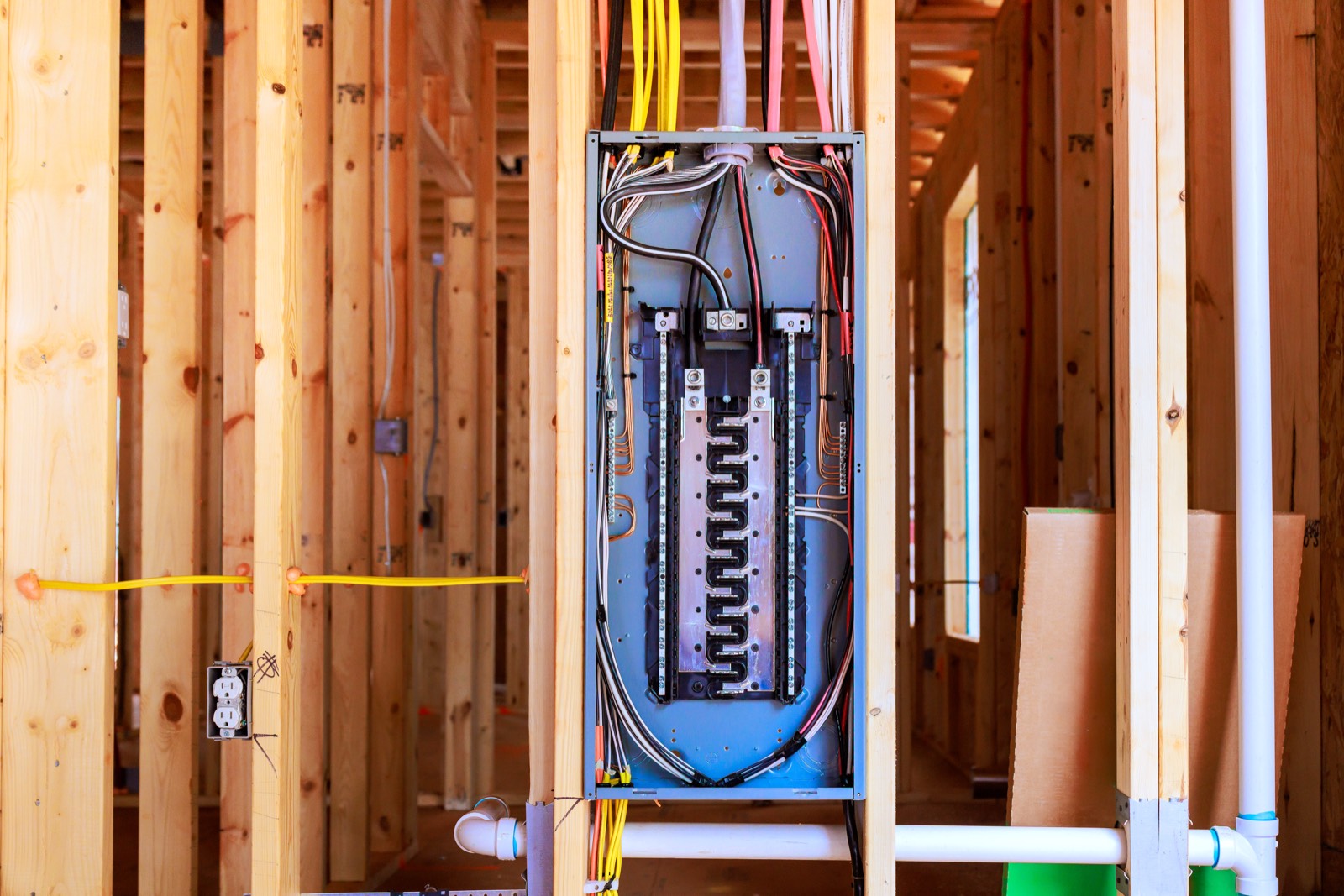
- Clear photos of the panel, meter base, service mast or underground service, and grounding electrode connection
- Written confirmation from your insurer that they will bind coverage with 60A service, or what they require after closing
- A quote for the service upgrade so your offer reflects the real cost
- Time in the agreement to resolve ESA, utility, or insurance requirements
For Ontario buyers, the cleaner path is often to make the upgrade part of your purchase plan and document it. If the house also has aluminum wiring, knob-and-tube, ungrounded receptacles, or visible amateur work, the 60A service may be only one part of the risk. See the related insurance discussion in our 60 amp service home insurance Ontario guide.
City Power is an ECRA/ESA licensed electrical contractor, #7015314, and we recommend a written electrical inspection before you waive conditions on any older GTA house with a 60A service.
The upgrade cost is a real negotiating number, not a vague future project
A 60A fuse service replacement in the GTA typically lands in the $4,000–$6,000 range because the work often goes beyond swapping a panel. The electrician may need to replace the service entrance, meter base, grounding and bonding components, and coordinate a utility disconnect and reconnect.
That range matters during negotiation. If a seller says “it still works,” they may be technically right. But your insurer, lender, renovation contractor, or future EV plans may all push the same conclusion: the service is undersized for today’s use.
A proper quote should identify whether the job includes:
- New breaker panel and correct main disconnect
- New service conductors sized for the approved service
- Meter base or service mast replacement if required
- Grounding and bonding upgrades
- ESA notification and inspection
- Utility coordination with Toronto Hydro, Alectra, Hydro One, Elexicon, Oshawa Power, or the local distributor
- Labelling, panel schedule, and cleanup
Do not assume every 60A house can be upgraded by changing the panel alone. In many older homes, the panel rating, service cable, meter base, mast, and grounding system all have to match the new service. The utility may also need to confirm overhead clearances, attachment point condition, or underground service details.
For the detailed cost angle, read how much it costs to upgrade from 60 amp service, then use a written quote as support in your offer. If you buy the house, the actual project should go through an ESA notification and inspection, not an informal panel swap.
Insurance and financing are usually the first pressure points
The biggest practical issue with 60 amp service is often insurance. Some insurers will not write a standard policy until the service is upgraded. Others may issue coverage with conditions, a deadline, photos, or an electrician’s letter. The exact rule depends on the insurer and the rest of the electrical system.
Do not wait until the week of closing to ask. Send your broker the listing, panel photos, and any inspection notes as early as possible. Ask whether 60A service, fuses, aluminum wiring, knob-and-tube, or ungrounded receptacles change the quote or create a post-closing requirement.
Financing can be affected indirectly. A lender is usually focused on value and insurability. If the home cannot be insured on acceptable terms, the mortgage can become difficult even if the bank is not specifically judging the amperage. If your insurer requires the upgrade after closing, make sure you have the funds and schedule ready.
Use this table when deciding how hard to negotiate:
| Issue found | Why it matters before closing |
|---|---|
| 60A fuse service only | Limited capacity and possible insurance condition |
| No spare panel space | Renovations may require a service upgrade first |
| Old meter base or service mast | Utility coordination may be more involved |
| Weak or missing grounding evidence | Safety and ESA inspection issue |
| Aluminum wiring present | Separate insurer concern; see buying a house with aluminum wiring |
| Knob-and-tube found | Major insurance and replacement concern |
A seller may offer a credit, reduce the price, complete the upgrade before closing, or refuse to negotiate. The right answer depends on market conditions, but the electrical facts should be clear before you decide.
Renovations, EVs, heat pumps, and appliances can quickly outgrow 60 amps
A 60A service limits future plans. Even if the existing lights and receptacles work, the available capacity can disappear when you add modern loads.
Think through the next few years, not just move-in day. Common triggers include:
- EV charger installation
- Heat pump or electric backup heat
- Electric range or induction cooktop
- Electric dryer
- Hot tub, sauna, or pool equipment
- Basement apartment or major basement finish
- Central air conditioning changes
- Larger kitchen renovation with new dedicated circuits
- Workshop, garage, or exterior power upgrades
Each new load has to fit into an electrical load calculation under the Ontario Electrical Safety Code. The answer is not based only on whether there is an empty fuse space. A licensed electrician has to consider the service size, existing loads, demand factors, conductor sizes, breaker or fuse ratings, grounding and bonding, and whether the equipment can be added safely.
This is especially important for EVs and heat pumps. Some homes can use load management or staged upgrades, but many 60A services are simply too small to be a sensible starting point. If your purchase plan includes an EV, read whether a 200 amp upgrade is worth it for an EV before assuming the charger is a simple add-on.
The same is true for renovations. A kitchen may need multiple dedicated circuits. A legal basement unit has smoke/CO, kitchen, laundry, heating, and panel capacity implications. A finished attic or addition may trigger new circuit and detector requirements. In those cases, the 60A service becomes a bottleneck before the renovation can be completed cleanly.
Get the electrical inspection before you waive the condition
A pre-purchase electrical inspection should answer what the home inspector cannot fully verify. Home inspectors are useful, but they generally do not open equipment, perform load calculations, trace circuits in detail, or quote an ESA-permitted service upgrade.
For a 60A house, the inspection should look at the service as a system:
- Panel type, fuse sizing, double-tapping, overheating marks, and labelling
- Service conductor condition and visible rating clues
- Meter base, mast, weatherhead, drip loop, and attachment point where accessible
- Grounding electrode conductor, water pipe bonding, and main bonding jumper evidence
- Presence of GFCI protection where expected
- Ungrounded three-prong receptacles or bootleg grounds
- Aluminum, knob-and-tube, cloth-insulated, or mixed wiring
- Signs of homeowner additions, open splices, junction boxes hidden by finishes, or overfused circuits
The written report should separate urgent safety defects from upgrade planning. For example, a properly maintained 60A fuse panel with no overheating is a different buying risk than a 60A panel with oversized fuses, scorched fuse holders, ungrounded receptacles throughout, and an improvised subpanel.
If you proceed, the service upgrade should be handled through a licensed contractor with ESA notification. The usual sequence is site review, written quote, utility coordination, ESA notification, service work, inspection, and energization. The ESA inspection checks that the installed equipment matches the approved scope, that grounding and bonding are correct, that conductor and overcurrent protection sizes are suitable, and that the panel is safe to energize.
If grounding is unclear, this related answer on whether your house is properly grounded explains what to look for. When the upgrade is the obvious path, start with our panel upgrade service so the quote, ESA paperwork, and utility step are planned before you are under post-closing pressure.
Want a licensed electrician to take a look?
Free written quote, usually the same day. ESA permits handled.
People also ask
Is 60 amp service illegal in Ontario?
Not automatically. An older 60A service may remain in use if it is safe and not being altered beyond what it can support. The issue is practical: insurers, renovations, EV chargers, heat pumps, and new appliance loads can make 60A service unsuitable. Any service upgrade must follow the Ontario Electrical Safety Code with ESA notification where required.
Will insurance cover a house with 60 amp service?
Some insurers may cover it, some may impose conditions, and some may require an upgrade. The answer depends on the insurer and the rest of the wiring, including fuses, grounding, aluminum wiring, knob-and-tube, and visible defects. Ask your broker before waiving conditions and provide panel photos plus an electrician’s inspection report.
Should the seller upgrade the panel before closing?
It can help, but only if the work is done by a licensed electrical contractor with ESA notification and inspection. A rushed or undocumented panel change can create new problems. Many buyers instead negotiate the price or a written holdback, then complete the service upgrade after closing under their own contractor and scope.
Is a home inspection enough for a 60 amp service?
Usually not. A home inspector may identify that the house has 60A service, but a licensed electrical contractor can assess the panel, service entrance, grounding, wiring type, capacity limits, and likely upgrade scope. For an older house, that electrical report is stronger evidence for insurance, negotiation, and renovation planning.