
Answered by a licensed electrician
How much does GFCI outlet installation cost?
Quick answer
A typical GFCI outlet replacement in the GTA costs $120–$180 installed, including the device. If you are adding a new protected outlet instead of replacing an existing one, the price depends on cable access, wall finish, and whether a new circuit is needed; licensed electricians in Toronto generally charge $95–$150 per hour.
A GFCI outlet replacement is usually a small, fixed-scope job; adding a new GFCI-protected outlet is a wiring job. That difference is what changes the price.
For an existing kitchen, bathroom, garage, basement, laundry, or outdoor receptacle that already has power and a proper box, a GFCI replacement is normally in the $120–$180 installed range. If we are creating a new outlet location, fishing cable, cutting into finished walls, or adding a dedicated circuit, we quote it in writing after seeing the route.
City Power Electrical Services is a Licensed Electrical Contractor, ECRA/ESA #7015314, and we file ESA notifications where required for outlet and circuit work in Toronto and the GTA.
Replacing an existing GFCI outlet usually costs $120–$180 installed
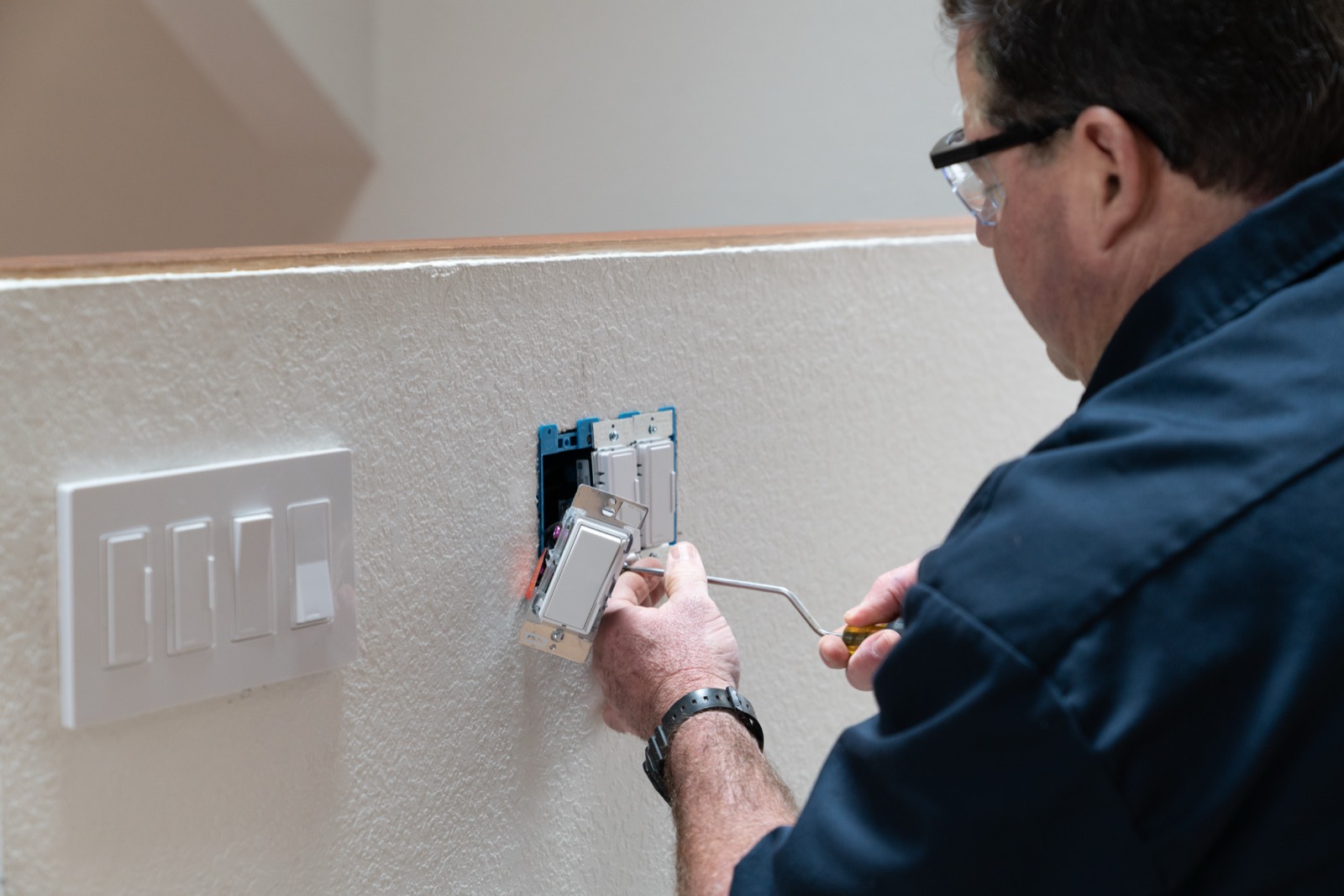
Replacing a failed or non-GFCI receptacle with a GFCI device is the lower-cost version when the wiring, box, grounding, and circuit are already suitable. The published GTA range for each GFCI outlet installed is $120–$180 including parts.
That kind of visit usually covers:
- Removing the old receptacle and checking the box
- Confirming the hot, neutral, and ground conductors are correctly identified
- Installing a listed GFCI receptacle
- Connecting LINE and, only where appropriate, LOAD terminals
- Testing with the built-in test/reset buttons and a plug-in tester
- Labelling protected downstream outlets when the GFCI feeds other receptacles
The LINE and LOAD detail matters. A GFCI can appear to have power but fail to protect downstream outlets if it is wired incorrectly. In older kitchens and bathrooms, we also often find mixed cable generations, crowded device boxes, damaged insulation at the screw terminals, or old backstabbed connections that should be corrected while the device is open.
If the existing box is loose, too small, metal without a proper bond, or damaged by moisture, the work may take longer than a straight device swap. Licensed electricians in Toronto charge $95–$150 per hour in 2026, and most service calls carry a $150–$250 minimum. For several GFCIs in one visit, the per-device cost can be more efficient because the setup, testing, and travel are not repeated.
For regular receptacles, switches, USB-C outlets, smart devices, and GFCIs, see our switches and outlets installation service.
Adding a new GFCI-protected outlet costs more because we are extending wiring, not just changing a device
A new protected outlet is priced by access: where the power comes from, how far the cable must run, whether the walls are finished, and whether the existing circuit can safely take the added load. Unlike a simple replacement, this is not just a device and labour item.
Here is the practical difference:
| Job type | Typical pricing approach | What changes the cost |
|---|---|---|
| Replace an existing GFCI outlet | $120–$180 installed | Box condition, wiring condition, number of devices |
| Add a GFCI outlet from a nearby suitable circuit | Quoted in writing after access is checked | Finished walls, tile, cabinets, unfinished basement ceiling, cable route |
| Add a new 20A circuit for a receptacle location | $250–$500 for a typical 20A dedicated circuit, depending on distance and wall finish | Panel space, route length, basement access, AFCI/GFCI method where required |
| Outdoor GFCI outlet | Quoted by location and weatherproofing requirements | Exterior wall type, weather-rated box and cover, conduit, distance from panel |
If the new location is on the other side of an unfinished basement ceiling from the panel, the job is straightforward. If it is in a tiled kitchen backsplash, a finished garage wall, a basement with drywall ceilings, or an exterior brick wall, the labour is mostly in getting cable there cleanly and safely.
A GFCI outlet also does not create more circuit capacity. If the existing bathroom circuit is already serving hair dryers, heated bidet seats, lighting, and a fan, or the garage circuit is already feeding a freezer and tools, adding one more receptacle may not be the right answer. In those cases, a new circuit may be safer and cleaner than extending the old one.
For a deeper comparison of new receptacle locations, see how much it costs to add an outlet and our Ontario outlet installation cost guide.
GFCI protection is most often needed where people, water, concrete, and outdoor exposure meet
GFCI protection is there to reduce shock risk, especially in wet, damp, outdoor, garage, unfinished basement, and similar locations. The exact Ontario Electrical Safety Code requirement depends on the room, distance from water sources, outlet type, and circuit layout, so the right installation method can vary.
Common places we install or correct GFCI protection include:
- Bathroom vanity receptacles near sinks
- Kitchen counter outlets and island or peninsula locations
- Laundry areas and utility sinks
- Garages, especially receptacles used for tools, chargers, freezers, or door operators
- Unfinished basements and mechanical rooms
- Exterior receptacles for holiday lights, yard tools, and patio use
- Wet bars, sump pump areas, and pool or spa-adjacent zones where applicable
The device type is only part of the job. Outdoors, the box, cover, cable method, and fittings must also suit the location. In a garage, the issue may be physical protection of the cable. In a kitchen, the issue may be split receptacles, counter spacing, or whether the existing circuit is part of an older wiring method.
Do not assume the outlet with the reset button is the only protected outlet. One GFCI can protect downstream receptacles when wired from its LOAD terminals. That is useful, but it also means a tripped or failed device in one location can cut power to another. During installation, we identify what the GFCI protects and label the affected outlets so the next person is not guessing.
If your project is outside, compare the extra weatherproofing and location factors in outdoor outlet installation cost.
ESA permitting depends on whether we are replacing a device or altering the wiring
A like-for-like device replacement is different from adding wiring, extending a circuit, or installing a new receptacle location. Where an ESA notification is required, it should be filed by the electrical contractor before the work is done, and the installation may be inspected.
For GFCI-related work, an ESA inspection may look at:
- Correct conductor termination and device rating
- Proper bonding of metal boxes and covers
- Box fill and cable clamps
- Cable support and protection where wiring is exposed
- Correct GFCI function using the test button and test equipment
- Weatherproofing for outdoor devices
- Labelling of protected downstream receptacles
- Panel directory updates when a new circuit is added
This is one reason a new GFCI outlet in a finished basement, garage, or exterior wall should not be treated as a handyman patch. If the cable route is wrong, the box is not bonded, or the exterior cover is not suitable for the exposure, the outlet may work on day one but still fail inspection or create a shock hazard.
We provide free written estimates and include required ESA steps in the scope instead of leaving the homeowner to sort out inspection after the drywall is closed.
The best value is to group GFCI and outlet corrections into one visit
If you have one failed bathroom GFCI, a single replacement may be all you need. If you have an older home, a renovation starting, or an inspection report noting unprotected outlets, it is usually smarter to check all wet and damp locations at once.
A grouped visit lets the electrician map which outlets are protected, find miswired LOAD connections, replace worn devices, and correct obvious grounding or bonding problems before they become repeated service calls. It also helps during kitchen, basement, and bathroom work because outlet placement and circuit capacity can be planned before tile, cabinets, or finished ceilings make access expensive.
Good candidates for a bundled GFCI check include:
- A home with older two-slot or ungrounded receptacles in service areas
- A kitchen renovation where counter outlets are being moved
- A bathroom where the GFCI trips, will not reset, or is in the wrong location
- A garage with freezers, tools, chargers, or exterior outlets on the same circuit
- A basement finish where new receptacles, pot lights, bathroom fan, and detectors are being added
- A pre-sale or post-purchase inspection report mentioning missing GFCI protection
If you are also pricing other small electrical work, the answers hub has related cost pages for light fixtures, bathroom fans, circuits, and outlet additions.
Want a licensed electrician to take a look?
Free written quote, usually the same day. ESA permits handled.
People also ask
Is a GFCI outlet more expensive than a regular outlet?
Yes. A standard outlet or switch replacement is usually lower than a GFCI because the GFCI device costs more and must be tested for proper protection. For a GFCI receptacle, expect $120–$180 installed when the existing box and wiring are suitable.
Can one GFCI protect more than one outlet?
Yes, one GFCI can protect downstream receptacles if the wiring is connected correctly to the LOAD side and the downstream outlets are labelled. This is useful in kitchens, bathrooms, garages, and basements, but miswiring is common, so the protected outlets should be tested after installation.
Do I need a permit to install a GFCI outlet in Ontario?
It depends on the scope. A simple like-for-like device replacement is not the same as adding a new outlet, extending wiring, or installing a new circuit. When ESA notification is required, a licensed electrical contractor should file it and arrange inspection where applicable.
Why does a new GFCI outlet cost more than replacing one?
A replacement uses the existing box, cable, and circuit. A new GFCI outlet may require fishing cable through finished walls, drilling, adding a box, checking circuit capacity, updating the panel directory, and filing ESA notification where required. That extra wiring labour is the main cost difference.