Answered by a licensed electrician
How much does a Powerwall install cost?
Quick answer
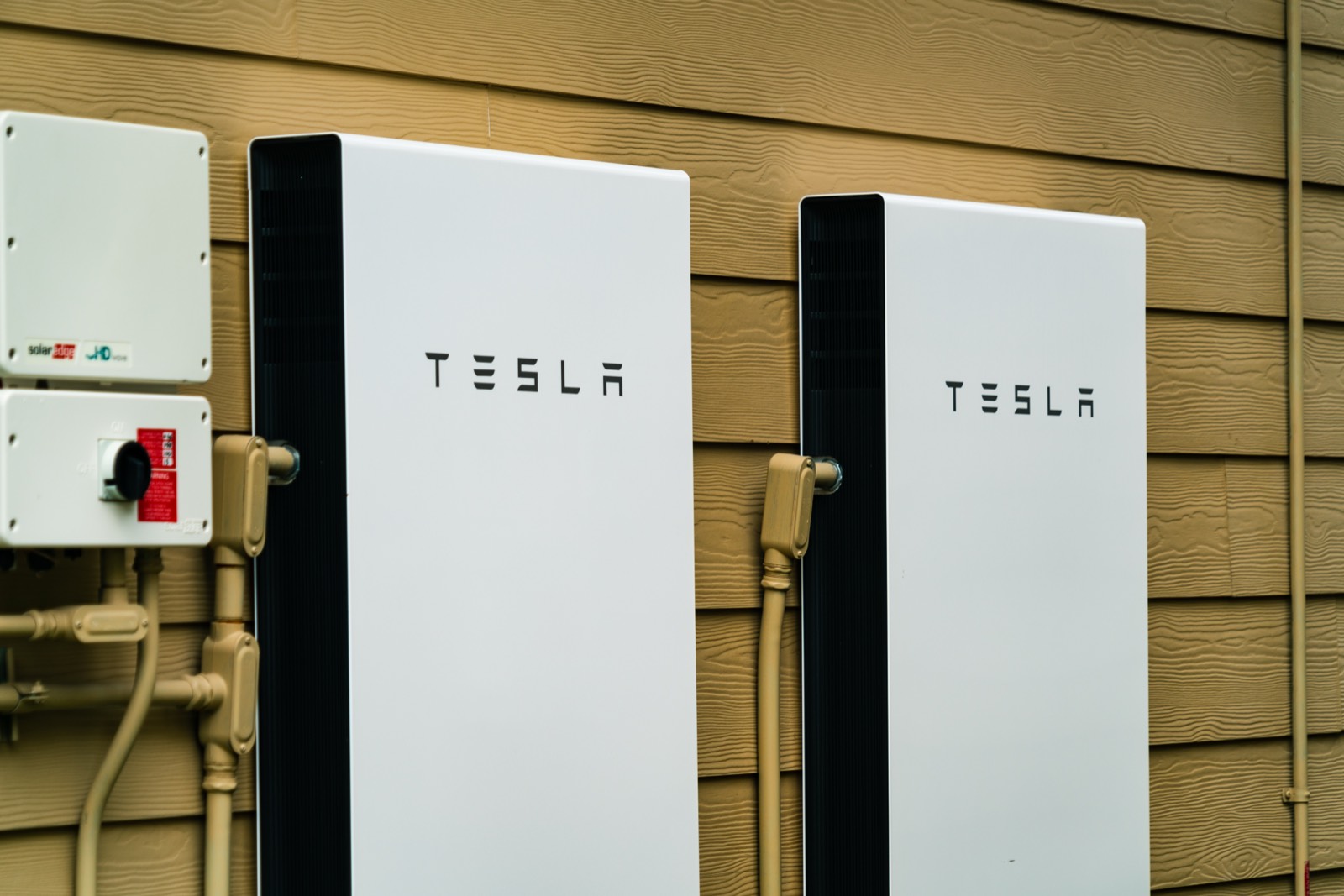
A Tesla Powerwall 3 installed in the GTA typically costs $13,000–$18,000, including the battery, backup gateway, electrical work, ESA notification, and permits. The final Powerwall install cost depends on panel capacity, battery location, whether you need a critical-loads panel, and how the system ties into solar or future solar.
A Tesla Powerwall 3 installed in the GTA typically runs $13,000–$18,000 when the site is straightforward. That range includes the battery, backup gateway, electrical work, ESA notification, inspection, and permit-related work, but the exact quote depends on your panel, backup plan, and whether solar is involved.
City Power Electrical Services is an ECRA/ESA Licensed Electrical Contractor #7015314, and we quote Powerwall and home battery work in writing after a site visit because the safe design depends on your service equipment, not just the battery price.
The typical Powerwall install cost is $13,000–$18,000, but panel and backup design can move it
The battery is only one part of the job. A proper Powerwall installation also needs transfer equipment, service equipment work, load planning, labelling, and ESA inspection. If your panel has room, capacity is available, and the battery can be installed near the electrical equipment, the project is simpler. If the service is full, the battery location is far from the panel, or you want many high-load circuits backed up, the design becomes more involved.
For most GTA homes, the installed Powerwall 3 range is $13,000–$18,000. If your home also needs a 100A-to-200A service upgrade, that panel work typically adds $3,200–$4,500 when done as a 200A upgrade with the ESA permit and inspection. We do not add those numbers casually; the need comes from a load calculation and a look at the actual panel, service conductors, grounding, and available breaker space.
| Cost factor | What it changes |
|---|---|
| Battery model and capacity | Powerwall 3 has a fixed battery capacity per unit, so larger backup goals may mean a different system design or additional equipment, subject to availability. |
| Backup gateway equipment | The gateway manages grid isolation, outage sensing, and the transfer between utility power and battery backup. |
| Critical-loads panel | If backing up the whole panel is not practical, selected circuits are moved to a smaller backup panel. |
| Panel condition and capacity | Crowded panels, older equipment, poor grounding, or undersized service may require correction before battery work. |
| Battery location | Longer cable routes, finished walls, garage placement, exterior mounting, and clearances affect labour and materials. |
| Solar integration | Existing solar, future solar-ready wiring, and export settings can add utility coordination and commissioning steps. |
A Powerwall quote should tell you what is included: battery, gateway, breakers, wiring, conduit, labels, ESA notification, inspection coordination, and cleanup. If a critical-loads panel, panel upgrade, or solar rework is required, it should be shown as a separate line or clearly described.
For the service route and quoting process, see our battery storage installation service.
The biggest design choice is whether you back up the whole panel or selected circuits
The practical question is not “Can the battery connect?” It is “What should stay on when the grid is out?” A Powerwall can support important household loads, but it is not a blank cheque to run every large appliance the same way you would on utility power.
A critical-loads panel is often the cleanest design. It groups the circuits that matter during an outage and leaves non-essential or high-demand loads off the backup side. This protects the battery from being drained quickly and reduces nuisance shutdowns when several large loads try to start at once.
Common backup circuits include:
- Refrigerator and freezer circuits
- Sump pump or sewage pump where applicable
- Furnace controls and blower, if compatible with the backup design
- Selected kitchen receptacles
- Internet modem, router, and home office equipment
- A few lighting circuits, especially stairs and main-floor areas
- Garage door opener
- Security, doorbell, and low-voltage power supplies
Loads that usually need extra thought include:
- Electric range or wall oven
- Electric dryer
- Central air conditioning or heat pump compressor
- Hot tub or pool equipment
- EV charger
- Electric water heater
- Large workshop tools
Those loads are not automatically impossible, but they change the design. For example, an EV charger may need load management or may be left off the backup side so the battery is not drained into the vehicle during an outage. If you are comparing battery storage with charging upgrades, our Tesla charger installation cost guide explains the separate EV circuit side.
The same logic applies to spas and pool equipment. A hot tub is a large continuous load, so it is normally planned outside the backup panel unless the battery system is specifically designed for it. See our hot tub circuit cost guide for how that type of 240V load is usually wired.
Powerwall 3 capacity affects runtime, but your loads decide the result
Powerwall 3 is commonly treated as a 13.5 kWh usable home battery, but runtime is not a fixed number because homes do not use power at a fixed rate. A refrigerator, modem, and a few LED lights are a very different load from an electric range, central air conditioner, or EV charger.
During the site visit, the important questions are:
- Which circuits must operate in an outage?
- Which loads start automatically, like pumps or HVAC equipment?
- Are there motor loads with high starting current?
- Is the panel already near capacity?
- Is there existing solar, or will solar be added later?
- Does the homeowner want quiet overnight backup, short outage protection, or longer resilience?
This is where many online price estimates fall apart. A battery with the same name can be installed three very different ways: simple backup for selected circuits, whole-home backup with load shedding, or solar-connected backup with export and charging settings. The invoice may look similar at first glance, but the design and inspection details are not the same.
If your panel is crowded, has mixed breaker types, missing blanks, weak labelling, or questionable past work, we may need to correct those issues before the battery can be connected safely. A simple breaker swap is not the same as a battery installation, but our breaker replacement cost guide gives useful context on why panel condition matters.
ESA notification and inspection are part of a proper battery installation
A Powerwall installation requires ESA notification where required, and battery storage work should be inspected as part of the finished electrical installation. This is not optional paperwork; it is how the installation is checked against the Ontario Electrical Safety Code and documented for your home.
On a battery job, the inspection focus is different from a normal outlet or lighting circuit. The inspector may look at:
- Correct conductor sizing and overcurrent protection
- Battery and gateway connection method
- Transfer and isolation equipment so the home does not backfeed the grid during an outage
- Grounding and bonding continuity
- Working space around service equipment
- Labelling for backed-up circuits and shutdown points
- Outdoor or garage-rated equipment placement where applicable
- Protection of cables, conduit, and penetrations
- Compatibility of the installed equipment with the approved design
The backup gateway is a critical part of the system. When utility power fails, it separates the home from the grid and lets the battery supply the selected loads. That isolation is essential for utility worker safety and for the equipment in your home. It is also one of the reasons a Powerwall installation is not a handyman job or a simple appliance hookup.
Where solar is involved, there may also be inverter settings, utility requirements, and commissioning steps. Toronto Hydro, Alectra, Hydro One, and other local utilities may have their own process depending on whether the system exports power, changes an existing solar connection, or operates as backup only. If a rule or incentive amount is time-sensitive, confirm it with the utility before signing.
Solar integration and future expansion should be designed before the battery goes on the wall
If you already have solar, the Powerwall design must match the existing inverter, production meter, disconnects, and utility agreement. If you do not have solar yet, the battery can still be installed for backup, but it is smart to plan conduit routes, panel space, and equipment layout so future solar does not require unnecessary rework.
A solar-ready battery plan should answer these questions before installation:
- Will the battery charge only from the grid, from solar, or from both?
- Is the existing solar system compatible with the proposed battery and gateway?
- Will solar continue producing during a grid outage, and under what limits?
- Where will future inverter, disconnect, and metering equipment go?
- Is there enough wall space near the service equipment for clean wiring?
- Will the utility require an updated application or commissioning review?
Model availability and equipment packages can change, so before publication or quoting we confirm the current Tesla Powerwall model, gateway requirements, and local supply. The cost range above is based on a typical Powerwall 3 installation, but the final proposal should name the exact battery, gateway, backed-up circuits, ESA scope, and any solar assumptions.
If you are collecting several electrical upgrade costs at once, start with our electrical answers hub, then book a site visit for a written battery quote. A Powerwall is a permanent electrical system tied to your service equipment; the right price is the one that matches the actual panel, load calculation, and backup plan.
Want a licensed electrician to take a look?
Free written quote, usually the same day. ESA permits handled.
People also ask
Does a Powerwall installation need an ESA permit in Ontario?
Yes. Battery storage installation is electrical work that requires ESA notification where required and inspection as part of the finished installation. The inspection checks items such as conductor sizing, overcurrent protection, grounding and bonding, transfer equipment, labelling, and safe isolation from the grid during an outage.
Is the backup gateway included in the Powerwall install cost?
For a typical GTA Powerwall 3 installation, the $13,000–$18,000 range includes the battery, backup gateway, electrical work, permits, ESA notification, and inspection. If your home needs a critical-loads panel, panel upgrade, long wiring route, or solar reconfiguration, that must be priced from the site conditions.
Can one Powerwall back up my whole house?
Sometimes, but selected backup circuits are often the better design. One Powerwall can handle important loads like refrigeration, internet, sump pump, furnace controls, and lighting more comfortably than high-demand loads such as an EV charger, electric range, dryer, hot tub, or central air conditioner.
Can I add solar later after installing a Powerwall?
Yes, but it should be planned before the battery is installed. Conduit routes, wall space, panel capacity, inverter compatibility, utility requirements, and gateway configuration all affect future solar integration. A solar-ready layout can reduce rework when panels are added later.