EV Charger Installation
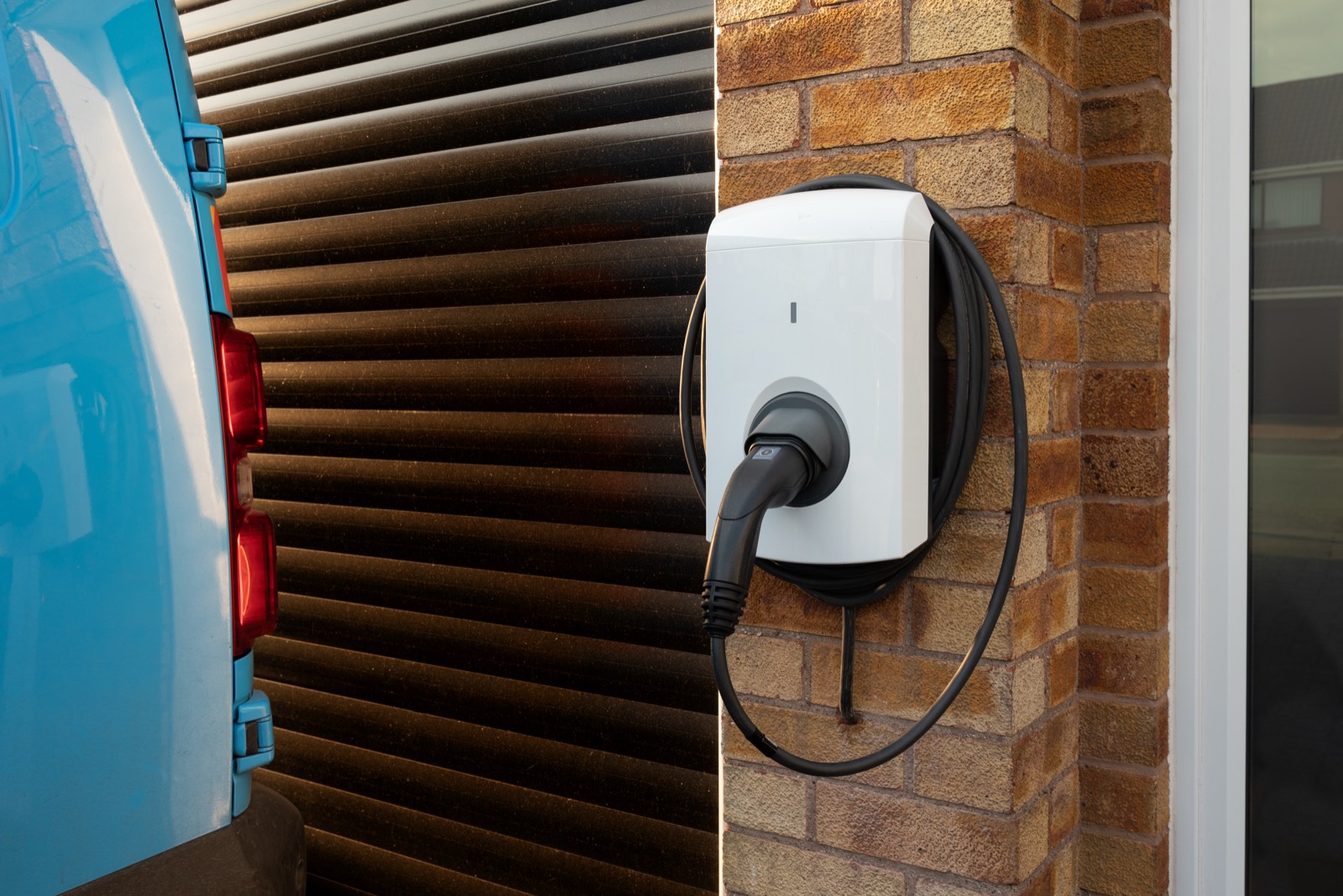
Charge your electric vehicle at home or at your business.
About ev charger installationCity Power installs sauna and steam room electrical for homeowners, builders and renovation contractors adding high-load wellness equipment in basements, bathrooms and backyards. We wire dedicated circuits, moisture-rated controls and lighting, with ESA notification where required.

Sauna heaters and steam generators are not ordinary plug-in appliances. They are fixed, high-load electrical equipment that often runs at 240 volts, may draw continuously while heating, and is installed beside heat, humidity, tile, benches, drains or exterior weather. The electrical work has to match the exact nameplate rating and the manufacturer’s installation instructions.
We start by identifying the unit: traditional dry sauna heater, infrared sauna, steam generator, combination shower-steam unit, or outdoor barrel sauna. The wiring method, breaker size, conductor size, disconnect location and control wiring all depend on that equipment. A small infrared cabin can be very different from a hardwired heater with rocks, a remote sensor and a separate control module.
Most sauna and steam room electrical work includes a dedicated branch circuit from the panel. That keeps the heater or generator off general-use bathroom, basement or outdoor receptacle circuits. For more background on this type of work, see our dedicated circuit installation page.
Typical scope can include:
The important point is that the sauna or steam room is designed as a system. The heater, controls, sensor wire, lighting, ventilation interlocks and finishes all affect the electrical plan.
The best time to call is before framing, vapour barrier, tile backer, cedar lining or exterior cladding is finished. Sauna and steam equipment often needs a direct route from the electrical panel, and it is much easier to install cleanly while walls and ceilings are open.
Basement wellness rooms often need coordination with ceiling height, joist direction, finished drywall and the mechanical room location. A steam generator is commonly placed outside the steam enclosure, such as in a vanity, closet or service space, so the electrician needs to know both the generator location and the steam head location. The control may be inside or outside the enclosure only if the manufacturer permits that location and the device is rated for it.
Bathroom steam showers add another layer. We look at nearby GFCI protection, lighting ratings, fan wiring, clearances from the wet zone and whether existing bathroom circuits are already loaded. This is separate from a normal bathroom refresh; a steam generator is a substantial fixed load, not a fan or vanity light.
Backyard saunas need outdoor-rated wiring methods. Depending on the site, that may involve trenching, burial-rated cable or conduit, weatherproof equipment, protection from physical damage, and a route that avoids decks, roots, walkways and future landscaping. If the sauna is near a hot tub, pool or spa equipment, bonding and separation details become more important and should be reviewed before anything is buried.
We are also called when a prefabricated sauna arrives and the owner discovers it cannot simply plug into an existing receptacle. Some units ship with a controller or heater that must be hardwired by a licensed electrician. Others require a specific circuit and breaker that the existing panel may not be ready to support.
In Ontario, sauna and steam room wiring must comply with the Ontario Electrical Safety Code, the equipment approval markings and the manufacturer’s instructions. Where required, we file the ESA notification, complete the installation and arrange inspection. If the ESA inspector identifies a correction, we address it properly rather than hiding it behind finished walls.
The inspection focus is practical. The inspector may look at conductor sizing, overcurrent protection, equipment approval, grounding and bonding, wiring method, junction box access, disconnecting means, GFCI protection where required, and whether wet-location equipment has been used in the correct place. For outdoor work, burial depth, conduit protection, weatherproof fittings and panel labelling can also matter.
Moisture-rated controls and lighting are a key difference from ordinary room wiring. Steam can migrate into boxes, trims and control openings. Fixtures in the steam envelope must be suitable for that environment, not just decorative. Controls, sensors and low-voltage cables must be installed in the locations allowed by the manufacturer. We do not substitute random dimmers, timers or smart controls for sauna-rated control systems.
Heat is the other major issue. Wiring cannot be routed where it will be exposed to temperatures beyond its rating. Junctions must remain accessible. Sensors must be placed where the manufacturer expects them, because a misplaced sensor can cause nuisance shutdowns or unsafe overheating. Penetrations through the sauna or steam enclosure should be planned so the vapour barrier and waterproofing are not casually damaged.
If you already have an ESA defect, renovation notice or insurer request tied to the work, we can help through our ESA Electrical Safety Certificate and electrical code correction services.
On site, we first look at the electrical panel, available breaker spaces, service size, grounding and any signs that the panel is already heavily loaded. A sauna heater or steam generator may require a load calculation before the work can proceed. If the existing service is tight, we will explain the options before quoting the installation.
Next, we review the equipment documents. The nameplate and manual tell us the voltage, amperage, breaker requirement, conductor type, control layout and required clearances. If the unit has not been purchased yet, we can still advise what information to confirm before ordering.
Then we plan the route. In a basement, that may be through open joists or a mechanical room. In a finished home, it may involve fishing cable with limited openings. Outdoors, we identify trenching, conduit, disconnect placement and weather exposure. For renovation contractors and builders, we can rough in before finishes and return for final device and equipment connections.
Pricing depends on the equipment load, panel location, finished surfaces, outdoor trenching, control wiring and ESA requirements, so sauna and steam room electrical is quoted in writing after a site visit. Published circuit pricing can provide a useful reference: a typical 20A dedicated circuit from the panel costs $250–$500 depending on the distance and finish of walls along the route, and heavier 30A–50A circuits run $400–$900. Larger loads, service upgrades, exterior trenching, specialty controls and finished-wall fishing are quoted based on the actual site.
City Power Electrical Services provides sauna and steam room electrical work as a Licensed Electrical Contractor, ECRA/ESA #7015314. We serve Toronto and the GTA, provide free written estimates, file ESA notifications where required, and clean up after the work. To discuss sauna and steam room electrical as part of a larger project, you can also review our full electrical services or call 416-837-4038.
In most installations, yes. A sauna heater or steam generator is a fixed, high-load appliance and is normally wired on a dedicated circuit sized to the equipment nameplate and manufacturer’s instructions. We verify the voltage, amperage, breaker type, conductor size and panel capacity before installing the circuit and filing ESA notification where required.
Usually no. The bathroom receptacle or lighting circuit is not intended to carry a steam generator load. Steam generators commonly need their own 240V circuit, plus correctly rated controls and equipment connections. We also check wet-location lighting, GFCI requirements, bonding considerations and access to the generator before the walls or tile are finished.
Outdoor saunas add weather and routing issues. The feed may need conduit or burial-rated wiring, physical protection, a suitable disconnect, weatherproof fittings and careful trench planning. We also consider proximity to decks, pools, hot tubs and landscaping. The installation is quoted after a site visit because distance from the panel and trenching conditions change the scope.
It is quoted in writing after a site visit because the load, route, panel capacity, controls and finishes vary widely. As a reference, a typical 20A dedicated circuit costs $250–$500, and heavier 30A–50A circuits run $400–$900. Larger sauna or steam loads, outdoor trenching and finished-wall fishing are priced to the actual installation.
Charge your electric vehicle at home or at your business.
About ev charger installationPool and spa electrical must meet strict safety codes due to the water proximity.
About pool & spa wiring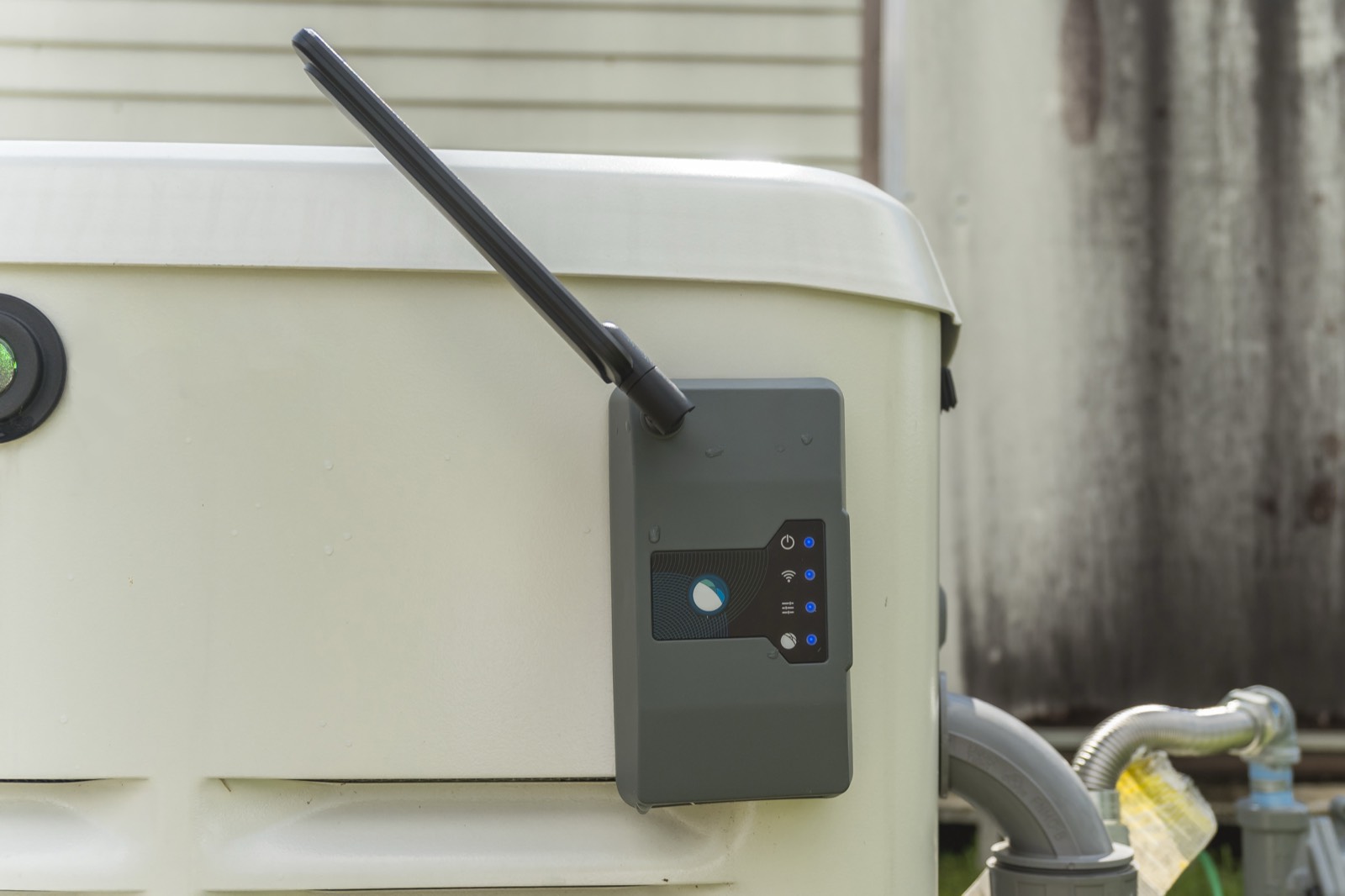
Free estimates on all projects. Same-day service available across the GTA. Send the details and a licensed electrician replies the same day.
Or call 416-837-4038Free written quote
Tell us about the job and we reply the same day. For an emergency, call 416-837-4038 instead.
A licensed electrician answers every call, day or night.