Program · Government of Ontario
Ontario EV ChargeON Program
EV ChargeON is an Ontario program connected to public EV charger deployment. Before relying on it for a project budget, confirm the current eligibility stream, funding amounts, application deadlines and required documents on the official program page.
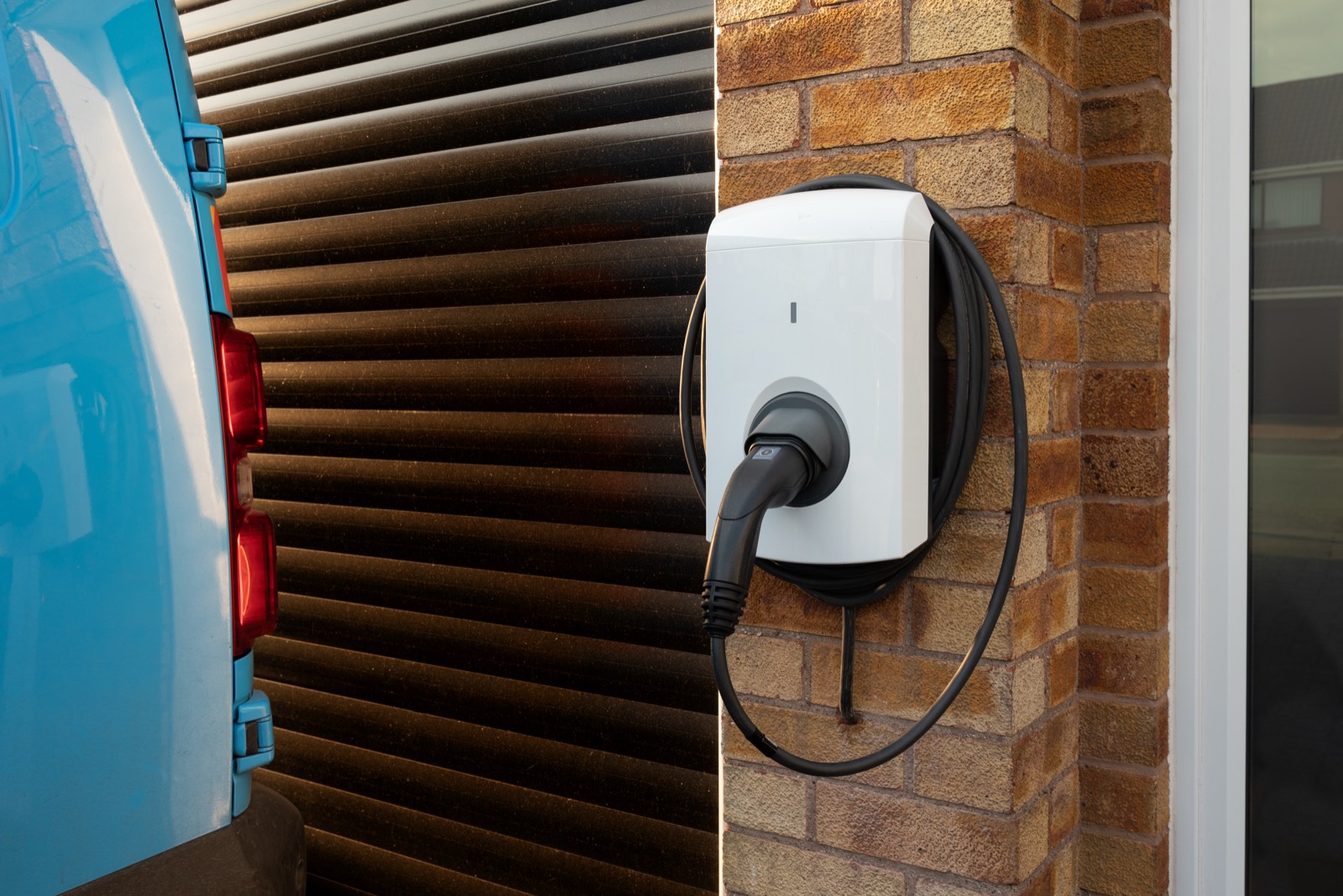
EV ChargeON supports public EV charger deployment in Ontario
EV ChargeON is an Ontario program for building out public EV charging infrastructure, especially where charging gaps make travel or community access harder. The program has been associated with rural, highway, destination and community charging, but the exact eligible locations, applicant types and charger requirements can change by intake.
For a business, municipality, property owner or site operator, the important point is this: the electrical feasibility should be checked before the application is treated as real. A charger location can look simple on a parking plan and still require utility coordination, transformer review, trenching, new distribution equipment, networking provisions and an ESA inspection path.
EV ChargeON is different from a home energy program. It is not mainly about one private driveway charger. It is aimed at chargers the public can use, so the application usually needs more than a product brochure. Expect to confirm the site address, ownership or lease authority, parking layout, public access, charger type, operating plan and how the electrical work will be completed by a licensed electrical contractor.
If you are comparing this with other incentive pages, start with our rebates and electrical program hub. If your project is a private home charger rather than a public charging site, our EV charger installation service is the better starting point.
Eligible sites usually need public access, the right location and a workable electrical service
EV ChargeON eligibility should be verified against the current program page before you spend money on drawings or equipment. The wording has focused on public EV charging in areas where more infrastructure is needed, including rural, highway or community locations, but every intake can define those terms differently.
The site questions we would want answered early are practical:
- Is the charger for public use, tenant use, fleet use or private staff use?
- Is the parking stall on land the applicant controls?
- Is there a clear path from the electrical room or transformer to the charger location?
- Will the charger need cellular, Wi-Fi, Ethernet or payment-network connectivity?
- Will bollards, wheel stops, painted stalls, lighting or signs need power or coordination?
- Is the existing service large enough, or does the utility need to review the transformer and service conductors?
- Are there condominium, landlord, municipal, conservation authority or site-plan approvals before electrical work can start?
Those details matter because public charging is not just “add a receptacle.” A Level 2 charger bank can require a new panel, load management, underground conduit, concrete cutting, pedestals and network commissioning. DC fast charging is more involved and often depends on utility capacity, transformer location and civil work well beyond the charger itself.
For Ontario projects, the contractor doing the electrical work must be properly licensed. If you are checking a quote or an application requirement, see our guide to verifying an Ontario electrical contractor licence.
The electrical scope is service capacity, distribution, protection, networking and field conditions
The electrical work connected to EV ChargeON depends on the charger type and the site. For most public charger projects, the first step is a site walk and load review, not a purchase order for chargers.
A proper feasibility review looks at the main service, spare breaker spaces, existing demand, available panel capacity, grounding and bonding, conductor routes, voltage drop, outdoor equipment ratings and disconnect requirements. At plazas, municipal lots, office buildings and multi-unit sites, we also look at whether the existing electrical room has working space for new distribution equipment and whether the route to the parking area crosses finished interiors, sidewalks, asphalt, landscaping or snow-clearing zones.
Utility coordination can become a gating item. Toronto Hydro, Alectra, Hydro One, Elexicon, Oshawa Power and other local utilities may need to review new load, transformer capacity, metering, service upgrades or temporary shutdown requirements. The earlier that is identified, the less likely the application budget will be based on a charger layout that cannot be energized without redesign.
Typical electrical items for a public charging site can include:
- Load calculation for the existing service and proposed charger load
- New breakers, feeders, splitter boxes, panels or disconnects
- Outdoor-rated conduit, conductors, pedestals and weatherproof terminations
- Grounding and bonding of charger equipment and metal structures
- GFCI or equipment protection as required by the charger and OESC
- Data cabling, cellular gateway location or networking power
- Signage, lighting or payment-equipment power if included in the site design
- Labelling, panel schedules and as-built updates after installation
Every job that requires an ESA notification must be filed and inspected. For background on permits, read Do I need a permit for electrical work in Ontario?.
Applications usually need a quote, technical notes and closeout paperwork
For EV ChargeON, check the current program guide for the exact application package. Programs like this commonly ask for enough information to prove the project is eligible, buildable and reasonably costed. The electrical contractor’s role is usually to support the technical side, not to decide whether the applicant qualifies.
Before applying, a site owner may need a written installation quote, charger counts and types, a single-line or layout drawing, load calculation notes, confirmation of utility constraints, and a schedule that separates electrical work from charger supply, civil work and networking. If the site is leased, the applicant may also need written authority from the owner or property manager.
During construction, the paperwork shifts to compliance. The electrician files the ESA notification where required, installs to the Ontario Electrical Safety Code, coordinates inspection, corrects any deficiencies and provides the final documentation the owner needs for program closeout. Depending on the program intake, closeout may require invoices, proof of payment, charger commissioning records, photographs, serial numbers, network activation details and the ESA Certificate of Acceptance.
The most common mistake is applying with a charger quote only, then discovering later that the panel is full, the transformer is undersized, the trench route is blocked, or the parking layout needs a different pedestal location. Another mistake is assuming a public charger can be added to a house-style electrical panel without a demand calculation. Public charging is a continuous, managed load, and the distribution has to be designed for how the site will actually operate.
City Power helps turn the grant idea into a buildable electrical quote
City Power Electrical Services is an ECRA/ESA Licensed Electrical Contractor (#7015314) led by Sam, a licensed electrician with more than fifteen years of hands-on experience. For EV ChargeON-related projects, we help with the electrical pieces a property owner needs before and after applying.
Our support can include a site walk, review of the existing service and panels, charger-location discussion, rough routing plan, load calculation, written installation quote, electrical drawing coordination, ESA notification and inspection coordination. Where utility input is needed, we identify the likely coordination points so the owner can speak with the local hydro utility before locking the application budget.
We do not state program funding amounts, deadlines or approval odds on this page because they change. Check the current EV ChargeON program materials before submitting. What we can do is give you a practical electrical scope: what must be installed, what may trigger a service upgrade, what needs ESA inspection, and which parts should be carried as separate line items in the project budget.
For public charger sites in Toronto and the GTA, call City Power at 416-837-4038 for a written site-specific quote. Our office is at 1800 Sheppard Ave E in North York, and we serve Toronto, North York, Scarborough, Etobicoke, Mississauga, Brampton, Markham, Vaughan, Richmond Hill, Aurora, Newmarket, Oakville, Milton, Burlington, Hamilton, Pickering, Ajax, Whitby, Oshawa and Barrie.
Want a licensed electrician to take a look?
Free written quote, usually the same day. ESA permits handled.
Common questions
Is EV ChargeON for home EV chargers?
EV ChargeON is connected to public EV charger deployment, not a standard private driveway charger. Confirm the current program rules before applying, because eligibility depends on the intake, site type and public-access requirements.
What should I check before applying for EV ChargeON?
Check whether the site qualifies, then confirm electrical feasibility: service capacity, transformer constraints, panel space, charger locations, trenching route, networking needs and ESA inspection requirements. A site walk before applying helps prevent a budget based on an unbuildable layout.
Can City Power provide documents for the application?
Yes. City Power can provide a written installation quote, site electrical notes, load calculation support, drawing coordination where needed, ESA notification and inspection coordination, and final electrical paperwork after installation.