Answered by a licensed electrician
Is a home battery worth it in Ontario?
Quick answer
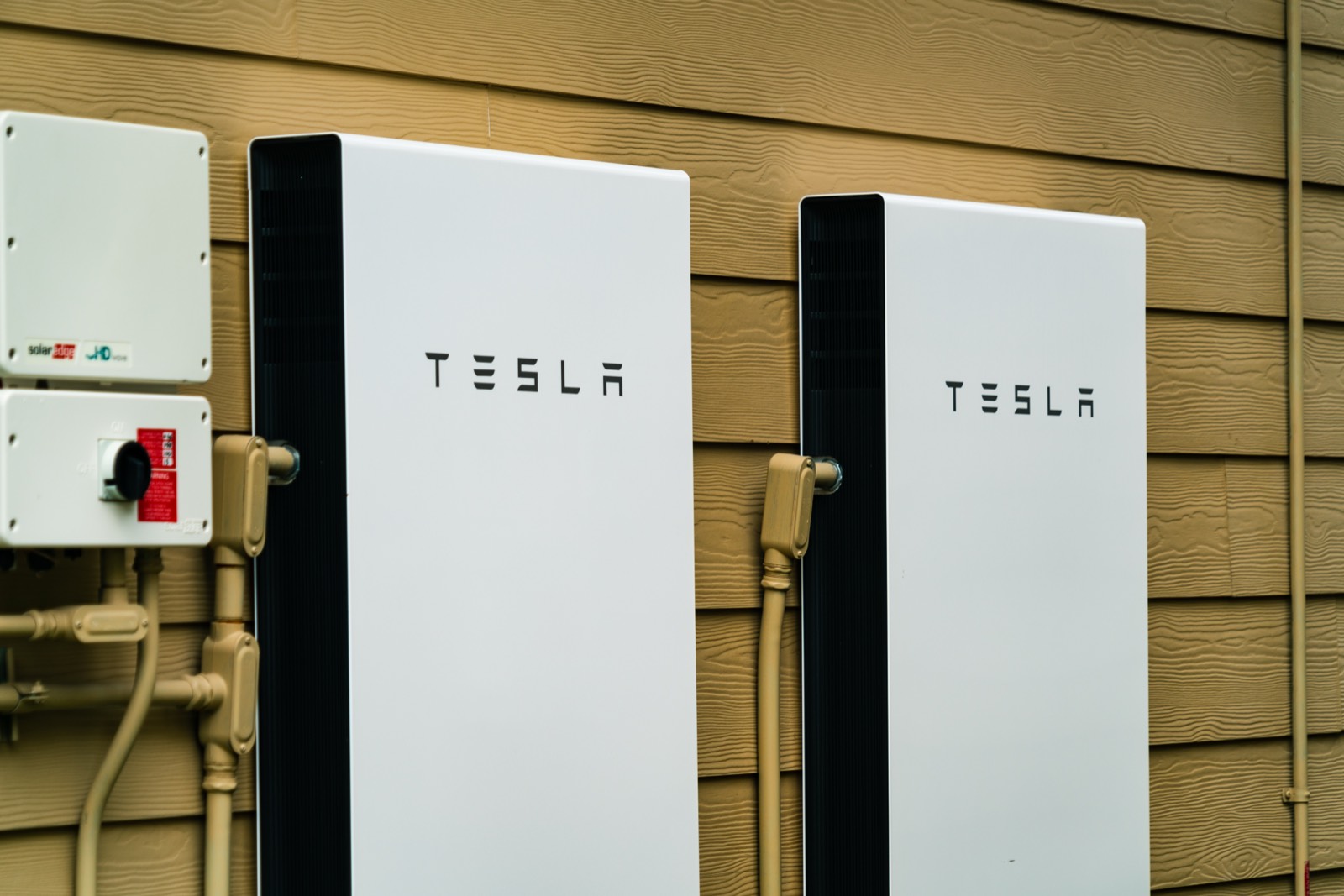
A home battery is worth it in Ontario when backup power matters more than simple bill savings. A Tesla Powerwall 3 installed typically runs $13,000–$18,000 including the unit, backup gateway, electrical work, and permits, so the value depends on outage tolerance, critical loads, solar plans, and your rate plan.
A home battery is worth it mainly when you value backup power, not just hydro-bill savings.
In Ontario, the cleanest way to judge a battery is to separate two questions:
- Backup value: What is it worth to keep the furnace controls, sump pump, fridge, internet, lighting, medical equipment, garage door, and selected outlets running during an outage?
- Bill-savings value: Can the battery charge at cheaper times and discharge during expensive times often enough to justify the equipment, installation, and battery wear?
For most homeowners, the backup-power case is easier to justify emotionally and practically than the pure payback case. If your neighbourhood has frequent outages, you work from home, you have a sump pump, or your home needs powered equipment during an outage, a battery solves a real problem quietly and automatically.
The bill-savings case is more site-specific. Ontario has time-of-use and ultra-low overnight rate options, but the math depends on your actual consumption pattern, whether you can shift large loads overnight already, and how your battery controls are set up. A battery can move some energy from cheaper hours to more expensive hours, but it does not create free power unless it is paired with solar and the system is designed around that goal.
That is why we do not treat batteries like a universal savings product. We treat them as a resilience upgrade first, then check whether rate optimization, solar storage, or future energy plans improve the case. If you want a site-specific design, City Power Electrical Services can quote home battery storage installation in writing after reviewing the panel, loads, utility setup, and backup goals.
A battery and a generator solve different outage problems.
A battery is best for quiet, automatic backup of selected household loads; a generator is better for long outages and heavy whole-home loads. Neither is automatically the right answer for every Ontario home.
A battery switches over quickly, has no exhaust, needs no fuel delivery, and can be installed with a critical-loads panel so the important circuits stay on while non-essential loads stay off. That makes it a strong fit for urban and suburban GTA homes where the goal is to ride through shorter outages without noise, fumes, or manual setup.
A standby generator can run larger loads for longer periods if fuel is available and the system is sized correctly. It can be the better fit if you want to run central air conditioning, electric ranges, large pumps, or most of the home for an extended outage. The trade-off is fuel, outdoor placement, noise, maintenance, gas coordination, and generator-specific permitting.
| Question | Battery | Standby generator |
|---|---|---|
| Starts automatically? | Yes, when designed with the correct gateway or transfer equipment | Yes, with an automatic transfer switch |
| Fuel needed? | No on-site fuel | Natural gas or propane |
| Noise and exhaust | Quiet, no combustion exhaust | Engine noise and combustion exhaust |
| Best use | Critical loads, short to medium outages, solar storage | Longer outages and larger loads |
| Indoor equipment impact | Often needs panel and load separation work | Needs transfer equipment and load planning |
For budget comparison, a Tesla Powerwall 3 installation typically lands at $13,000–$18,000 with the unit, gateway, electrical work, and permits included. A permanently installed standby generator for a typical GTA home is usually a larger mechanical and electrical project, commonly $12,000–$20,000 depending on size and site conditions. If you are comparing both paths, start with home standby generator cost in Ontario and then compare the loads you actually need backed up.
The right battery design starts with a critical-loads panel.
A home battery is usually not meant to run every circuit in the house at once. The practical design is to choose the circuits that matter during an outage, move them into a critical-loads panel or approved backup section, and leave high-demand loads off the battery unless the system is specifically designed for them.
Typical critical loads include:
- Furnace controls or boiler controls
- Sump pump or sewage ejector pump where present
- Fridge and freezer
- Kitchen convenience outlets for small appliances
- Internet modem, router, and home office equipment
- Selected lighting circuits
- Garage door opener
- Security, intercom, or smart-home equipment
- Medical or accessibility equipment where required
Loads that need special discussion include electric ranges, dryers, hot tubs, EV chargers, central air conditioners, electric heat, and tankless electric water heaters. These can drain a battery quickly, exceed the inverter output, or require load management. The answer is not always no, but it has to be engineered instead of assumed.
Battery capacity also needs plain-language planning. Nameplate battery capacity is not the same as how long your home will feel normal in an outage. Runtime depends on what is connected, what runs at the same time, outdoor temperature, pump cycling, and whether solar can recharge the battery during daylight. A small critical-loads setup can feel excellent during a utility outage. A whole-home setup with large electric loads can disappoint if expectations are not set before installation.
We often see the best results when the homeowner chooses two lists before pricing:
- Must stay on: heat controls, sump pump, fridge, internet, key lights
- Nice to have: microwave, selected receptacles, home office, garage door, small entertainment load
- Usually not worth backing up on one battery: EV charging, dryer, range, hot tub, large electric heating loads
If you also have smart switches, connected thermostats, security equipment, or automated lighting scenes, the battery design should be coordinated with the low-voltage and controls layout. Our smart home wiring cost guide is useful background when backup power needs to support automation, networking, and door access equipment.
Ontario rate plans can help, but they should not be the only reason you buy a battery.
Time-of-use and ultra-low overnight pricing can make battery control more interesting, but rate arbitrage is not a guaranteed payback. The battery has to charge, discharge, reserve backup capacity, and cycle in a way that matches your household use and your chosen electricity plan.
A homeowner on an ultra-low overnight plan may be able to charge the battery when electricity is cheaper and use stored power during higher-price periods. But if your largest loads already run overnight, or if you keep a large reserve for outage protection, the available savings may be smaller than expected. If the home has solar, the value changes again: the battery may store daytime solar production for evening use, outage backup, or both.
The best question is not “Will a battery lower my bill?” It is:
- How much energy do I use during the expensive parts of the day?
- Can I shift laundry, EV charging, dishwashing, or water heating without a battery?
- Do I want the battery to save money, preserve backup reserve, or support solar self-use?
- Will future loads like an EV, heat pump, induction range, or home addition change the load calculation?
EVs are especially important. A car battery is much larger than a typical home backup battery, so home charging strategy can affect the electrical plan. If you are choosing an ultra-low overnight rate because of an EV, read what it costs to charge an EV at home in Ontario before assuming a stationary battery is the next best upgrade.
A smart electrical panel or load-management device may also change the economics by shedding non-essential loads, tracking usage, or helping avoid a service upgrade. That does not make every smart panel worthwhile, but it can be part of a battery-ready design. See whether a smart electrical panel is worth it if you want circuit-level control as part of the project.
ESA, utility, solar, and surge protection details decide whether the system is ready for real life.
A battery installation in Ontario is electrical work that must be done under the Ontario Electrical Safety Code, with ESA notification and inspection where required. The inspection is not paperwork; it checks that the equipment, wiring method, overcurrent protection, disconnecting means, grounding and bonding, labelling, and transfer arrangement are installed safely.
For a grid-connected battery, the design may also need utility coordination, especially if the system can operate with solar, export power, or interact with the service equipment. Toronto Hydro, Alectra, Hydro One, Elexicon, Oshawa Power, Oakville Hydro, Burlington Hydro, and other local utilities each have their own processes for certain interconnection situations. The exact path depends on the equipment and whether solar is part of the system.
Solar readiness should be decided before the battery is installed. Even if you are not adding solar now, it may be smart to plan conduit routes, wall space, gateway location, panel capacity, and future inverter placement so the battery does not have to be reworked later. A battery can be installed as backup-only, solar-ready, or as part of a solar-plus-storage system, but those are not identical layouts.
Surge protection is another practical detail. Batteries, gateways, smart panels, EV chargers, furnace boards, and network gear all contain electronics. A panel-mounted surge protector costs $400–$700 installed and protects every circuit in the house. It is not a substitute for proper grounding or equipment protection, but it is a sensible companion upgrade for a home with expensive electronics. For that decision, see whether whole-home surge protection is worth it.
Rebates and incentive programs also change. Do not design the electrical system around a rumoured incentive. Check current eligibility before signing, and use the program rules as a bonus rather than the foundation of the decision. Our Ontario Home Renovation Savings Program page is a starting point, but final eligibility should be confirmed against the current program terms.
City Power Electrical Services is a Licensed Electrical Contractor, ECRA/ESA #7015314, and we include required ESA permitting and inspection planning in written battery quotes. For a home battery, that quote should show the backup loads, equipment location, panel work, utility or solar coordination, and what will happen during an outage—not just the battery brand and a total price.
Want a licensed electrician to take a look?
Free written quote, usually the same day. ESA permits handled.
People also ask
How long will a home battery run my house during an outage?
Runtime depends on the battery capacity and the loads connected to it. A critical-loads setup that runs the furnace controls, sump pump, fridge, internet, and selected lights can last much longer than a whole-home setup trying to run cooking, drying, EV charging, or electric heat. A proper quote should list the backed-up circuits and expected limitations.
Can a home battery replace a standby generator?
Sometimes, but not always. A battery is quiet, automatic, and excellent for critical loads and shorter outages. A standby generator is usually better for long outages and large loads if fuel is available and placement rules can be met. The right comparison is based on what you need powered, for how long, and at what comfort level.
Do I need solar for a home battery in Ontario?
No. A battery can be installed for backup power without solar, charging from the grid and discharging during an outage. Solar can improve the value if the system is designed to recharge the battery during daylight and support self-use, but it adds design, utility, and equipment considerations that should be planned before installation.
Does a home battery installation need an ESA permit?
Yes, battery storage work normally requires ESA notification and inspection in Ontario because it changes the home’s electrical system, backup transfer arrangement, and service-connected equipment. The inspection checks safe wiring methods, protection, disconnects, grounding and bonding, labelling, and correct separation of backed-up loads where a critical-loads panel is used.